

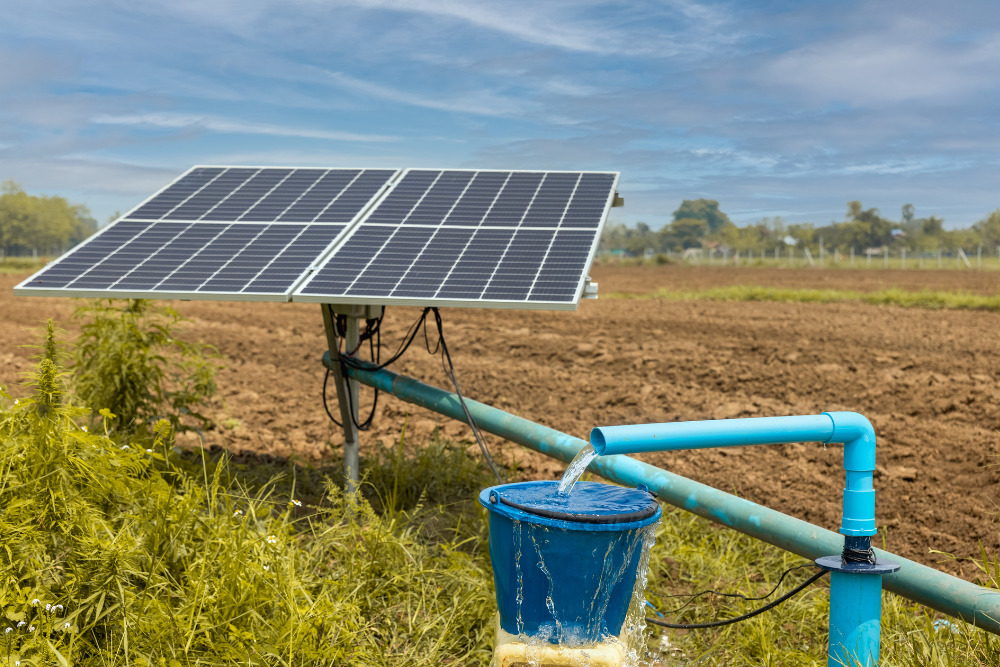
Imagine a world where fields aren't just places of labor, but hubs of innovation, powered by the sun itself. Envision crops flourishing with greater efficiency and lower environmental impact, where energy independence empowers farmers and strengthens communities. It’s not a futuristic dream; this transformation is underway, and solar energy is at the heart of it.
For many, especially in developing countries, reliable and affordable energy is the key to unlocking agricultural potential. The cost of traditional energy sources, combined with their environmental consequences, often creates a barrier to growth. Solar power offers a pathway to overcome these challenges, providing a sustainable and economically viable alternative. This can mean the difference between subsistence farming and a thriving agricultural business.
Here’s a practical tip: start small. Even a simple solar-powered water pump can dramatically improve irrigation and increase yields. Research local incentives and financing options to make the initial investment more manageable. Small changes can create significant momentum toward wider adoption of solar technologies.
The Role of Solar Energy in Modernizing Agriculture
Solar energy isn’t just about panels on rooftops; it's a versatile tool that can revolutionize various aspects of agriculture, from irrigation to powering greenhouses. By harnessing the sun's energy, farmers can reduce costs, increase productivity, and minimize their environmental footprint. This shift leads to more sustainable and resilient agricultural practices, particularly important in the face of climate change.
Applications of Solar Power in Farming
Solar energy is making its mark in a variety of agricultural applications. It is rapidly becoming a game-changer for farmers looking to enhance their operations and embrace sustainability. Here are some specific examples: Irrigation: Solar-powered water pumps can provide a reliable and cost-effective source of water for crops, especially in areas with limited access to the grid. This reduces dependence on expensive and polluting diesel generators. Greenhouses: Solar panels can generate electricity to power climate control systems in greenhouses, ensuring optimal growing conditions for plants year-round. Crop Drying: Solar dryers can efficiently dry crops like grains, fruits, and vegetables, preserving them for longer storage and sale. Livestock Management: Solar power can be used to run ventilation systems, lighting, and water heating in livestock barns, improving animal welfare and reducing energy costs. Rural Electrification:Microgrids powered by solar energy can bring electricity to remote farming communities, enabling access to essential services like refrigeration, lighting, and communication.
Benefits of Solar Energy for Agriculture
The benefits of integrating solar power into agricultural practices are numerous and far-reaching.
Reduced Energy Costs: Solar energy significantly lowers or even eliminates electricity bills, reducing the financial burden on farmers and increasing profitability. Environmental Sustainability: Solar power is a clean and renewable energy source that helps reduce greenhouse gas emissions and minimize the environmental impact of agriculture. Increased Energy Independence: By generating their own power, farmers become less reliant on fossil fuels and vulnerable to fluctuating energy prices. Improved Crop Yields: Reliable access to water for irrigation and controlled environments in greenhouses can lead to increased crop yields and improved quality. Enhanced Rural Development:Solar-powered microgrids can bring electricity to remote farming communities, fostering economic growth and improving the quality of life.
What makes solar energy affordable in rural areas?
Several factors contribute to the affordability of solar energy in rural areas. Firstly, the cost of solar panels has decreased significantly in recent years, making them more accessible to farmers. Secondly, many governments and organizations offer subsidies, tax credits, and other financial incentives to encourage the adoption of solar energy. Thirdly, the modular nature of solar systems allows farmers to start with a small system and expand it as their needs grow. Finally, the elimination of fuel costs associated with traditional energy sources can result in significant long-term savings. Innovative financing options, such as community solar projects and pay-as-you-go models, are also emerging to further reduce the upfront investment required.
How can solar energy improve water management for farmers?
Solar energy can revolutionize water management for farmers by powering efficient irrigation systems. Solar-powered water pumps can draw water from wells, rivers, or reservoirs and deliver it to crops with minimal energy costs. These systems can be equipped with sensors and automated controls to optimize water usage and prevent waste. Solar-powered drip irrigation systems, for example, deliver water directly to the roots of plants, minimizing evaporation and maximizing water efficiency. In arid and semi-arid regions, solar-powered desalination plants can provide a source of freshwater for irrigation, opening up new possibilities for agriculture. Furthermore, the reliability of solar-powered irrigation systems ensures that farmers can water their crops even during power outages or fuel shortages, increasing resilience to climate change and extreme weather events.
Overcoming Challenges to Solar Adoption in Agriculture
While the potential of solar energy in agriculture is immense, there are also challenges that need to be addressed to ensure widespread adoption.
Initial Investment Costs: The upfront cost of installing solar panels and related equipment can be a barrier for some farmers, especially those with limited financial resources. Land Requirements: Solar panels require land for installation, which may be a concern for farmers with limited acreage. Maintenance and Technical Expertise: Regular maintenance is required to ensure the optimal performance of solar systems. Farmers may need access to technical expertise for installation, maintenance, and repairs. Intermittency of Solar Energy: Solar energy is dependent on sunlight, which can be affected by weather conditions. This can require backup power sources or energy storage solutions. Lack of Awareness and Information:Many farmers may not be aware of the benefits of solar energy or have access to reliable information about available technologies and financing options.
How can governments support the use of solar in agriculture?
Governments play a crucial role in supporting the adoption of solar energy in agriculture through various policies and initiatives. These include providing financial incentives such as subsidies, tax credits, and grants to reduce the initial investment costs for farmers. Governments can also establish feed-in tariffs that guarantee a fixed price for electricity generated by solar systems, making it more attractive for farmers to invest. Furthermore, governments can invest in research and development to improve solar technologies and reduce their costs. They can also promote awareness and education programs to inform farmers about the benefits of solar energy and available support programs. Streamlining the permitting process for solar installations can also reduce bureaucratic hurdles and encourage adoption. Finally, governments can support the development of solar-powered microgrids in rural areas to provide access to electricity for farming communities and promote economic development.
What are the financing options for farmers interested in solar?
Farmers interested in adopting solar energy have several financing options available to them. These include traditional bank loans, which can be used to finance the upfront costs of solar installations. Government-backed loan programs often offer favorable terms and interest rates for farmers investing in renewable energy. Leasing options allow farmers to use solar systems without owning them, reducing the initial investment burden. Power purchase agreements (PPAs) enable farmers to purchase electricity from a solar developer at a fixed price, eliminating the need for upfront investment. Crowdfunding platforms can be used to raise capital from investors who are interested in supporting sustainable agriculture. Finally, some solar companies offer innovative financing models such as pay-as-you-go solar, which allows farmers to pay for electricity based on their usage.
The Future of Solar-Powered Agriculture
The future of agriculture is inextricably linked to the adoption of renewable energy sources, particularly solar power. As technology continues to advance and costs continue to decline, solar energy will become even more accessible and attractive for farmers around the world.
Technological Advancements: Ongoing research and development efforts are leading to more efficient and cost-effective solar panels, energy storage solutions, and smart grid technologies. Policy Support: Governments and organizations are increasingly recognizing the importance of solar energy for sustainable agriculture and are implementing supportive policies and programs. Growing Awareness: As more farmers experience the benefits of solar energy, awareness and adoption rates will continue to increase. Integration with Precision Agriculture: Solar power can be integrated with precision agriculture technologies such as sensors, drones, and data analytics to optimize resource management and improve crop yields. Decentralized Energy Systems:Solar-powered microgrids will play an increasingly important role in providing reliable and affordable electricity to remote farming communities, fostering economic growth and improving the quality of life.
Embracing solar energy is not just about adopting a new technology; it's about investing in a more sustainable, resilient, and prosperous future for agriculture. It's a journey of empowerment, innovation, and environmental stewardship. While challenges exist, the potential rewards are immense. The transition to solar-powered agriculture promises a brighter future for farmers, communities, and the planet. The sun is shining, and the time to harness its power is now.