

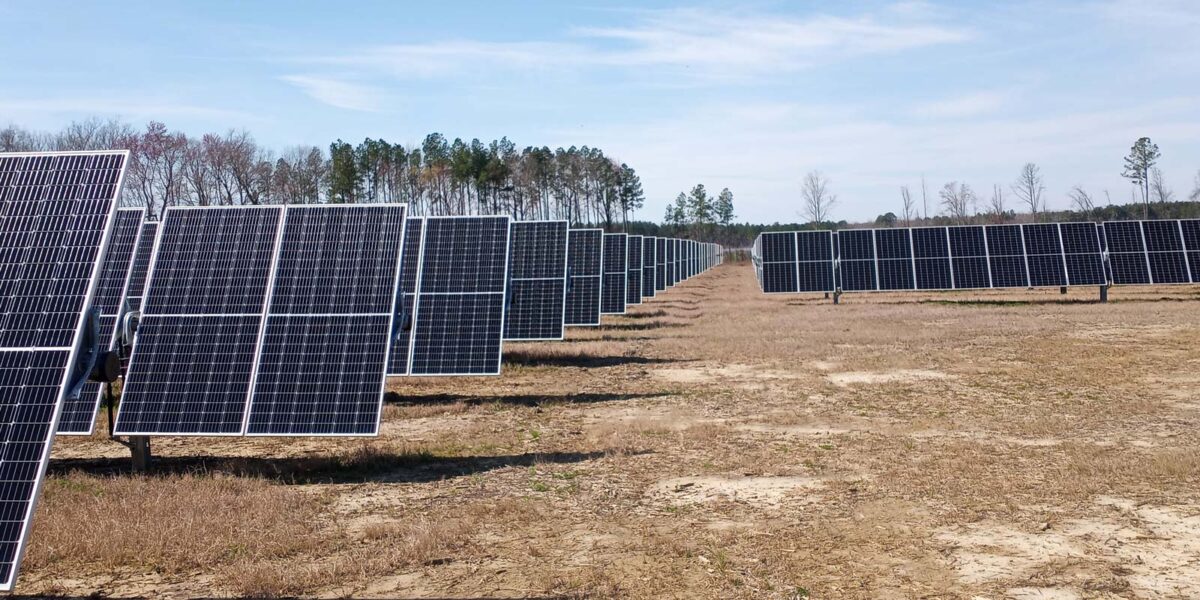
Imagine a world where the very challenges posed by a changing climate become opportunities for growth, resilience, and empowerment. What if the sun, the very source of our planet's energy, could also be a key ally in adapting to its shifts?
The escalating effects of climate change disproportionately impact vulnerable communities, particularly in developing countries. Erratic weather patterns, droughts, and rising sea levels threaten livelihoods and displace populations. But amidst these threats, solar energy presents a beacon of hope. Solar solutions offer not just clean energy, but a pathway to greater energy independence, improved quality of life, and strengthened resilience against climate-related shocks for those who need it most.
Here's a simple yet powerful starting point: explore community-based solar projects. Look for opportunities to support or participate in initiatives that bring affordable solar power to schools, hospitals, or small businesses in your region or abroad. Collective action, driven by renewable resources, can create lasting, positive change.
Harnessing the Sun: Renewable Energy for a Resilient Future
Climate adaptation isn’t just about survival; it's about thriving in a world undergoing profound changes. Renewable energy sources, especially solar power, offer innovative ways to mitigate the impacts of these changes and build a more sustainable and equitable future. By transitioning to solar, communities can reduce their reliance on fossil fuels, lower carbon emissions, and enhance their ability to cope with climate-related challenges.
Solar technology offers a diverse range of applications, from powering homes and businesses to providing clean water and supporting agriculture. This versatility makes it an invaluable tool for communities seeking to adapt to the impacts of climate change while simultaneously fostering economic growth and improving livelihoods.
Key Applications of Solar Energy in Climate Adaptation
Solar energy's adaptability makes it suitable for various applications, each contributing to a more climate-resilient society. Let's explore some practical examples: Solar-Powered Water Pumping:Access to clean water is crucial, especially in regions facing drought or water scarcity. Solar-powered water pumps can provide a sustainable and cost-effective solution for irrigation, drinking water, and sanitation. These systems are particularly beneficial in rural areas where grid electricity is unreliable or unavailable. Imagine communities in arid regions finally able to cultivate crops year-round, thanks to the reliable energy of the sun.
Solar Microgrids for Energy Independence: In areas prone to natural disasters or with unreliable grid infrastructure, solar microgrids offer a decentralized and resilient power source. These microgrids, often combined with battery storage, can provide uninterrupted electricity to essential services like hospitals, schools, and emergency shelters, even when the main grid is down. This is crucial for disaster preparedness and response, ensuring that communities can quickly recover from climate-related events.
Solar-Powered Cooling and Refrigeration: As temperatures rise due to climate change, access to cooling becomes increasingly important for health and well-being, particularly for vulnerable populations. Solar-powered cooling systems can provide a sustainable alternative to traditional air conditioning, reducing energy consumption and lowering greenhouse gas emissions. Similarly, solar-powered refrigeration can preserve food and medicine in remote areas, preventing spoilage and improving healthcare outcomes.
Solar-Based Solutions for Agriculture: Climate change impacts agriculture through unpredictable rainfall, increased temperatures, and extreme weather events. Solar energy can support climate-smart agriculture practices by powering irrigation systems, greenhouses, and drying facilities. These technologies help farmers increase crop yields, reduce post-harvest losses, and improve their resilience to climate-related shocks.
Overcoming Barriers to Solar Adoption
While the benefits of solar energy for climate adaptation are clear, several barriers can hinder its widespread adoption, particularly in developing countries. These barriers include: High Initial Costs: The upfront investment required for solar systems can be a significant obstacle, especially for low-income communities. Lack of Awareness and Technical Expertise: Many people are unaware of the benefits of solar energy or lack the technical skills to install and maintain solar systems. Limited Access to Financing: Access to affordable financing options is crucial for making solar energy accessible to a wider range of people. Inadequate Policy and Regulatory Frameworks: Supportive government policies and regulations are needed to create a favorable environment for solar energy development.
What makes solar energy affordable in rural areas?
Several factors contribute to the affordability of solar energy in rural areas, especially with strategic planning: Falling Technology Costs: The cost of solar panels and other components has decreased significantly in recent years, making solar energy more competitive with traditional energy sources. Off-Grid Applications: In areas where grid electricity is unavailable, solar energy can be a more affordable option than extending the grid or relying on expensive diesel generators. Government Subsidies and Incentives: Many governments offer subsidies, tax credits, and other incentives to encourage the adoption of solar energy. Community-Based Financing Models: Innovative financing models, such as microloans and crowdfunding, can help communities overcome the upfront cost barrier. Reduced Transmission Costs:Because the energy is generated locally, it eliminates the significant costs associated with transmitting electricity over long distances.
How can policy support accelerate the growth of solar energy in Africa?
Strategic policy interventions can dramatically accelerate the expansion of solar energy across Africa. Key policies include: Feed-in Tariffs: Guarantees a set price for solar energy fed back into the grid, incentivizing investment. Net Metering: Allows solar panel owners to get credit on their electricity bill for excess energy sent back to the grid. Tax Incentives and Subsidies: Lowers the initial cost of solar systems, making them more accessible. Clear Regulatory Frameworks: Provides certainty for investors and developers, streamlining project approvals. Standardized Certification: Ensures quality and safety of solar installations, building consumer confidence. Support for Local Manufacturing: Creates jobs and reduces reliance on imports. Public Awareness Campaigns: Educates the public about the benefits of solar energy. Capacity Building: Training local technicians and entrepreneurs to install and maintain solar systems.
What innovative financing solutions support solar projects in developing nations?
Beyond traditional loans, various innovative financing mechanisms are driving solar energy growth in developing countries: Microfinance: Provides small loans to individuals and small businesses for solar home systems. Pay-as-You-Go (PAYGo): Allows customers to pay for solar energy on a flexible, per-use basis. Crowdfunding: Raises capital from a large number of individuals online. Green Bonds: Raise capital for environmentally friendly projects, including solar energy. Carbon Credits: Generate revenue from reducing greenhouse gas emissions. Blended Finance: Combines public and private capital to reduce investment risk. Energy Service Companies (ESCOs): Finance, install, and maintain solar systems, with customers paying for the energy produced. Results-Based Financing: Payments are made only when pre-agreed results are achieved (e.g., a certain amount of energy generated).
Empowering Communities Through Solar Education and Training
Education and training are essential for building a skilled workforce and promoting the sustainable adoption of solar energy. Investing in training programs for solar technicians, installers, and entrepreneurs can create jobs, stimulate economic growth, and ensure the long-term viability of solar projects. Additionally, raising awareness among the public about the benefits of solar energy can encourage greater adoption and support for renewable energy policies.
The Path Forward: A Brighter, More Sustainable Tomorrow
The journey toward a climate-resilient future powered by solar energy is not without its challenges. However, by embracing innovation, fostering collaboration, and prioritizing the needs of vulnerable communities, we can unlock the full potential of solar energy to mitigate the impacts of climate change and build a more sustainable and equitable world for all. The shift to solar power is not just an energy transition; it’s a chance to empower communities, foster innovation, and build a more resilient future, one ray of sunshine at a time.
Embrace the power of the sun. It’s more than just energy; it's an investment in a brighter tomorrow.