

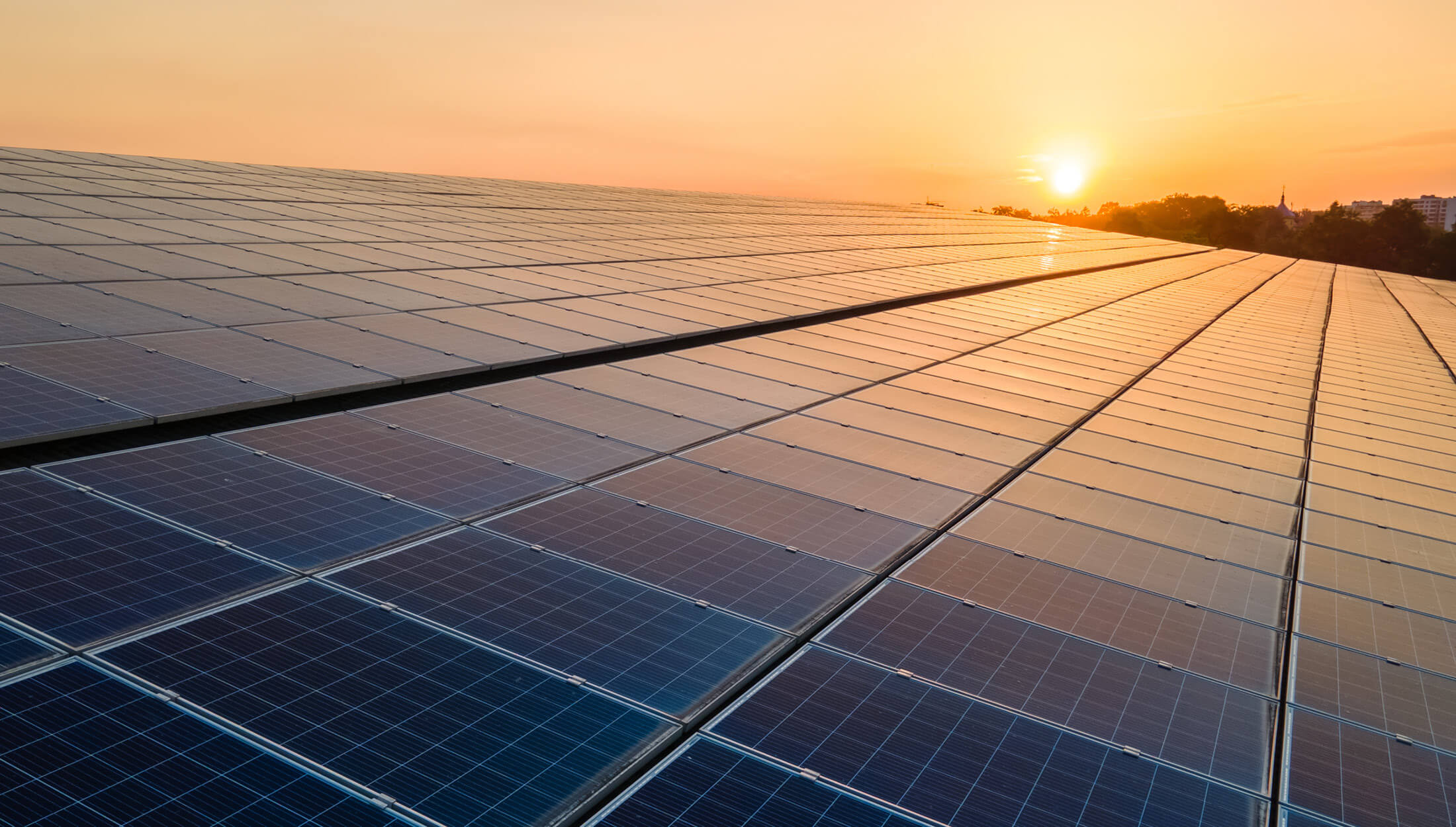
Imagine a world where energy poverty is a thing of the past, where everyone has access to clean, affordable power, and where economic opportunity flourishes in even the most remote communities. Sounds idyllic, right? But it’s not just a dream; it’s a tangible possibility fueled by the sun's abundant energy.
For many in developing nations, reliable and affordable electricity isn't just a convenience; it's the bedrock of progress. It powers homes, schools, and businesses, paving the way for education, healthcare, and economic growth. When communities are liberated from expensive and polluting fossil fuels, they can invest in their future, creating a more equitable society for all.
Think about this: even small-scale solar solutions can make a huge difference. A solar-powered water pump can irrigate farmland, boosting crop yields and income for farmers. A solar-powered refrigerator can preserve vaccines in rural clinics, improving healthcare outcomes. These aren't just technological advancements; they're catalysts for empowerment.
Solar Power and Its Connection to Economic Equality
The sun shines on everyone, regardless of their income or location. Harnessing this energy can be a powerful tool for leveling the economic playing field and fostering a more just world. The shift to solar energy offers a unique opportunity to address energy poverty and drive sustainable economic development simultaneously.
Understanding the Link Between Energy Access and Economic Empowerment
Access to reliable and affordable energy is a fundamental driver of economic development. Without it, individuals and communities are trapped in a cycle of poverty, unable to participate fully in the modern economy. Solar energy, with its decreasing costs and increasing accessibility, provides a viable path toward breaking this cycle. It's not just about having lights; it's about enabling education, powering businesses, and improving overall quality of life.
How does energy poverty perpetuate inequality?
Energy poverty manifests in several ways: limited access to electricity, reliance on expensive and polluting fuels like kerosene, and inadequate heating and cooling. This lack of access restricts educational opportunities (difficult to study after dark), limits healthcare services (inability to refrigerate medicines), and hampers economic productivity (businesses can't operate efficiently). These challenges disproportionately affect low-income communities, exacerbating existing inequalities.
What makes solar energy a unique solution for addressing energy poverty?
Unlike traditional fossil fuel-based energy systems that often require large-scale infrastructure and centralized distribution networks, solar energy can be deployed in a decentralized and modular manner. This makes it particularly well-suited for reaching remote and underserved communities. Off-grid solar solutions, such as solar home systems and mini-grids, provide a cost-effective and sustainable alternative to grid extension in areas where it is economically unfeasible.
Can solar energy really create jobs and stimulate local economies?
Absolutely. The solar energy industry is a significant job creator, offering opportunities in manufacturing, installation, maintenance, and sales. By investing in local solar projects, communities can create jobs, stimulate economic activity, and build a more resilient and self-sufficient energy system. Furthermore, solar-powered businesses can reduce their operating costs, freeing up capital for investment and expansion.
The Role of Solar Financing in Expanding Access
While solar technology has become increasingly affordable, the upfront cost can still be a barrier for many low-income households and communities. Innovative financing mechanisms are essential for overcoming this challenge and expanding access to solar energy for those who need it most.
What are some innovative solar financing models?
Several models are proving effective in increasing solar adoption. Microfinance institutions are offering small loans to enable families to purchase solar home systems. Pay-as-you-go (PAYGo) solar models allow customers to make small, regular payments for solar electricity, eliminating the need for a large upfront investment. Government subsidies and tax incentives can also play a crucial role in lowering the cost of solar energy for low-income communities. Crowdfunding and impact investing are also emerging as viable options for funding solar projects in developing countries.
How can governments encourage solar adoption through financial incentives?
Governments can implement various policies to encourage solar adoption, including feed-in tariffs (FITs), net metering, and tax credits. Feed-in tariffs guarantee a fixed price for electricity generated from solar energy, providing a stable revenue stream for solar project developers. Net metering allows solar customers to receive credit for excess electricity they send back to the grid, reducing their electricity bills. Tax credits can lower the upfront cost of solar installations, making them more affordable for homeowners and businesses. Furthermore, streamlined permitting processes and reduced bureaucratic hurdles can significantly lower the soft costs of solar projects, making them more attractive to investors.
What role do international organizations play in solar financing?
International organizations like the World Bank, the United Nations, and various development agencies play a crucial role in providing financial and technical assistance for solar projects in developing countries. They offer grants, loans, and guarantees to support solar deployment, capacity building, and policy development. These organizations also facilitate knowledge sharing and collaboration among countries to accelerate the adoption of solar energy globally. Their support is vital for creating a favorable investment climate and attracting private capital to the solar energy sector in emerging markets.
Case Studies: Solar Success Stories Around the World
The transformative power of solar energy is not just theoretical; it's being demonstrated in communities around the world. Examining these success stories provides valuable insights and inspiration for scaling up solar solutions globally.
How has solar transformed rural communities in Africa?
In many parts of Africa, solar energy has become a lifeline for rural communities that lack access to the electricity grid. Solar home systems are providing lighting, powering appliances, and enabling access to information and communication technologies. Solar-powered water pumps are irrigating farmland, boosting agricultural productivity and food security. Solar mini-grids are powering schools, clinics, and businesses, creating new economic opportunities. These initiatives are not only improving the quality of life for residents but also empowering them to participate more fully in the economy.
What impact has solar had on small businesses in developing countries?
Solar energy is enabling small businesses in developing countries to reduce their operating costs, improve their productivity, and expand their reach. Solar-powered refrigerators are allowing farmers to store and sell perishable goods, increasing their incomes. Solar-powered sewing machines are enabling tailors to work longer hours and increase their output. Solar-powered internet cafes are providing access to information and communication technologies, connecting businesses to new markets and customers. By reducing their reliance on expensive and unreliable fossil fuels, solar energy is empowering small businesses to thrive and contribute to economic growth.
How are solar microgrids transforming island communities?
Island communities often face unique energy challenges due to their remote location and reliance on imported fossil fuels. Solar microgrids offer a sustainable and cost-effective solution for providing reliable electricity to these communities. By integrating solar power with battery storage and smart grid technologies, microgrids can ensure a stable and resilient energy supply. This is not only improving the quality of life for residents but also reducing their vulnerability to volatile fuel prices and supply disruptions. Solar microgrids are also creating new economic opportunities, such as tourism and sustainable agriculture.
Overcoming Challenges and Ensuring Equitable Access
While solar energy offers immense potential for promoting economic equality, it's important to acknowledge and address the challenges that can hinder its equitable deployment. Proactive measures are needed to ensure that the benefits of solar energy reach all members of society, regardless of their income or location.
How can we ensure that solar benefits reach low-income communities?
Targeted policies and programs are needed to ensure that low-income communities have access to affordable solar energy. This includes providing subsidies and financial incentives, promoting community-based solar projects, and supporting the development of local solar businesses. It's also important to address the financing gap by providing access to microfinance and other innovative financing mechanisms. Furthermore, educational programs are needed to raise awareness about the benefits of solar energy and to train local residents to install and maintain solar systems.
What are the potential barriers to solar adoption in developing countries?
Several barriers can hinder the adoption of solar energy in developing countries, including lack of awareness, limited access to financing, inadequate regulatory frameworks, and a shortage of skilled labor. Addressing these barriers requires a multi-faceted approach involving governments, international organizations, the private sector, and civil society. This includes investing in education and training programs, streamlining permitting processes, creating a favorable investment climate, and promoting public-private partnerships.
How can we promote gender equality in the solar energy sector?
The solar energy sector has the potential to create opportunities for women and promote gender equality. However, women are often underrepresented in the industry, particularly in technical and leadership roles. To address this, it's important to promote STEM education for girls, provide training and mentorship opportunities for women, and create a more inclusive and supportive work environment. Furthermore, policies should be implemented to ensure that women have equal access to financing and other resources needed to start and grow solar businesses. By empowering women in the solar energy sector, we can unlock their potential and accelerate the transition to a clean energy future.
The Future is Bright: Solar as a Catalyst for a More Equitable World
The potential of solar power to drive economic equality is undeniable. By expanding access to clean, affordable energy, we can empower individuals and communities to break free from poverty, improve their quality of life, and participate more fully in the global economy. As technology continues to advance and costs continue to decline, solar energy will become an increasingly powerful tool for creating a more just and sustainable world.
The journey towards a solar-powered future that benefits everyone won't be without its hurdles, but with innovation, collaboration, and a commitment to equity, we can overcome these challenges and unlock the full potential of solar energy to create a brighter future for all. Take the time to research, to advocate, and to support initiatives that bring solar power to those who need it most. The sun shines equally on us all, and so should the opportunities it provides.