

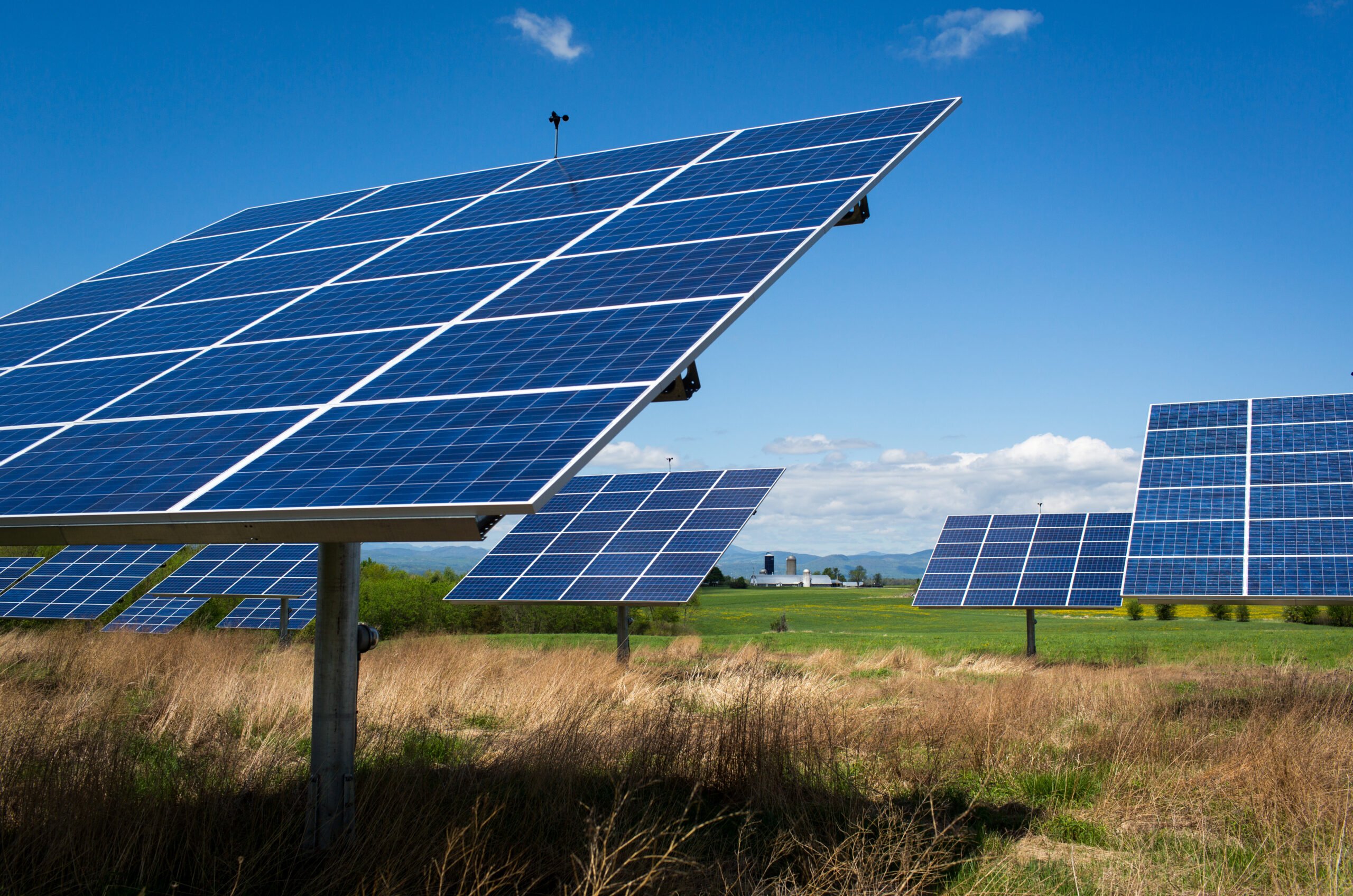
Imagine a world where the sun's power not only lights up homes but also sparks new opportunities, especially in communities where they're needed most. It’s more than just a nice thought; it's a tangible possibility unfolding right now.
For many in developing countries, particularly those in rural areas, reliable electricity is a game-changer. It can power small businesses, enable better healthcare, and improve education. Yet, the lack of access to affordable energy remains a significant barrier to economic growth and individual empowerment. This is where decentralized renewable energy solutions, like solar, come into play, offering a path toward a brighter future powered by local resources and local talent.
Consider this: taking the time to understand the specific energy needs of a community can open doors to tailored solutions. Before diving into large-scale projects, assess what people truly need – is it powering irrigation pumps for agriculture, or refrigeration for vaccines in a clinic? Addressing these targeted needs first can create momentum and build trust, paving the way for larger solar initiatives that bring not just power, but also livelihoods, to rural populations.
Solar Energy: Powering Jobs and Opportunity in Rural Communities
The intersection of renewable energy and job creation is particularly compelling in rural areas. Solar power isn't just about providing electricity; it's about fostering economic development from the ground up, particularly where traditional employment opportunities are limited. By embracing the potential of solar, we can tackle two critical challenges simultaneously: energy poverty and unemployment.
How Solar Initiatives Create Employment
The benefits of solar energy extend far beyond just flipping a switch. Implementing and maintaining solar energy systems requires a diverse skillset, creating numerous job opportunities within a community.
Manufacturing & Assembly: While some components might be sourced from larger factories, opportunities exist for local assembly and even small-scale manufacturing of supporting structures, wiring harnesses, and other related items. This localized production can spur economic activity within the community. Installation & Maintenance: This is where a significant number of jobs are created. Trained technicians are needed to install solar panels on homes, businesses, and community buildings. Regular maintenance, including cleaning, inspections, and repairs, ensures the longevity and efficiency of these systems, providing ongoing employment. Sales & Marketing: Promoting solar energy solutions within the community requires knowledgeable sales and marketing professionals who can educate residents about the benefits and navigate the financing options. Project Management & Administration: Successful solar projects require skilled project managers to oversee all aspects of the installation process, from planning and budgeting to coordinating teams and ensuring quality control. Administrative staff are also needed to handle paperwork, customer service, and other essential tasks. Training & Education:As the solar industry grows, there's an increasing need for qualified trainers who can equip individuals with the skills and knowledge required to work in the sector. This creates opportunities for educators and vocational training centers to offer specialized programs.
These job roles aren't just abstract possibilities; they represent real opportunities for individuals to learn new skills, earn a living, and contribute to the well-being of their communities. Rural electrification with solar not only provides clean energy, but it’s an engine for inclusive economic growth.
Overcoming Barriers to Solar Adoption in Rural Areas
While the potential benefits of solar energy in rural areas are undeniable, there are several challenges that need to be addressed to ensure successful implementation.
Initial Investment Costs: Solar energy systems can have a high upfront cost, which can be a barrier for low-income communities. Creative financing models, such as microloans, community solar programs, and government subsidies, can help make solar more accessible. Lack of Technical Expertise: Installing and maintaining solar energy systems requires specialized skills, which may be lacking in rural areas. Investing in training programs and vocational schools can help build a local workforce capable of supporting the solar industry. Limited Awareness: Many rural residents may not be fully aware of the benefits of solar energy or how it can improve their lives. Public awareness campaigns, community workshops, and demonstration projects can help educate people about the advantages of solar. Infrastructure Challenges: Rural areas often have limited infrastructure, such as inadequate grid connectivity or poor road networks, which can make it difficult to transport equipment and connect solar systems to the grid. Off-grid solar solutions, such as solar home systems and microgrids, can overcome these challenges by providing localized power generation. Policy and Regulatory Frameworks:Supportive government policies and regulations are essential for promoting solar energy development. This includes streamlining permitting processes, offering tax incentives, and establishing clear guidelines for grid interconnection.
What makes solar energy affordable in rural areas?
Several factors contribute to the affordability of solar energy in rural areas. Firstly, the cost of solar panels has decreased significantly in recent years, making them more accessible to a wider range of consumers. Secondly, government subsidies and incentives can help offset the initial investment costs. Thirdly, off-grid solar solutions, such as solar home systems, can be a more cost-effective alternative to extending the traditional electricity grid to remote areas. Finally, the long-term cost savings associated with solar energy, such as reduced electricity bills and lower maintenance costs, can make it a financially attractive option.
How can microgrids contribute to rural electrification?
Microgrids are localized energy grids that can operate independently or in conjunction with the main electricity grid. In rural areas, microgrids can provide a reliable and affordable source of electricity to communities that are not connected to the grid. Microgrids can be powered by a variety of renewable energy sources, such as solar, wind, and biomass, making them a sustainable and environmentally friendly option. They also create local jobs in construction, maintenance, and operation.
What are some successful examples of solar energy projects in developing countries?
Many successful solar energy projects in developing countries demonstrate the transformative potential of this technology. In Bangladesh, millions of solar home systems have been installed, providing electricity to rural households and businesses. In Kenya, solar-powered mini-grids are bringing electricity to remote villages, powering schools, clinics, and businesses. In India, large-scale solar parks are generating clean electricity for the grid, while also creating jobs and stimulating economic development. These examples highlight the diverse ways in which solar energy can be used to address energy poverty and promote sustainable development in developing countries.
Creating a Sustainable Solar Energy Ecosystem
To truly harness the potential of solar energy for rural development, it's essential to create a sustainable ecosystem that supports the growth of the industry.
Investing in Education and Training: Providing training programs for technicians, installers, and entrepreneurs is crucial for building a skilled local workforce. This can be done through vocational schools, community colleges, and on-the-job training programs. Supporting Local Businesses: Encouraging the growth of local solar businesses can create jobs and stimulate economic development within the community. This can be done through access to financing, business incubators, and mentorship programs. Promoting Community Engagement: Involving community members in the planning and implementation of solar energy projects can ensure that the projects meet their needs and are sustainable in the long term. This can be done through community workshops, surveys, and focus groups. Ensuring Quality Control: Establishing quality control standards for solar energy systems can ensure that they are reliable and perform as expected. This can be done through certification programs, inspections, and warranties. Facilitating Access to Financing:Providing access to affordable financing options, such as microloans and community solar programs, can make solar energy more accessible to low-income communities.
Ultimately, realizing the full potential of solar energy as a solution to rural unemployment requires a holistic approach that addresses the technical, financial, and social aspects of the industry.
By focusing on education, supporting local businesses, promoting community engagement, ensuring quality control, and facilitating access to financing, we can create a sustainable solar energy ecosystem that benefits both the environment and the economy. The transition to clean, renewable power is not just about technology; it's about empowering people and building a more equitable and sustainable future for all.
The possibilities are vast, and the potential for positive change is immense. With dedication, collaboration, and a shared vision, we can harness the power of the sun to create brighter futures for rural communities around the world.