

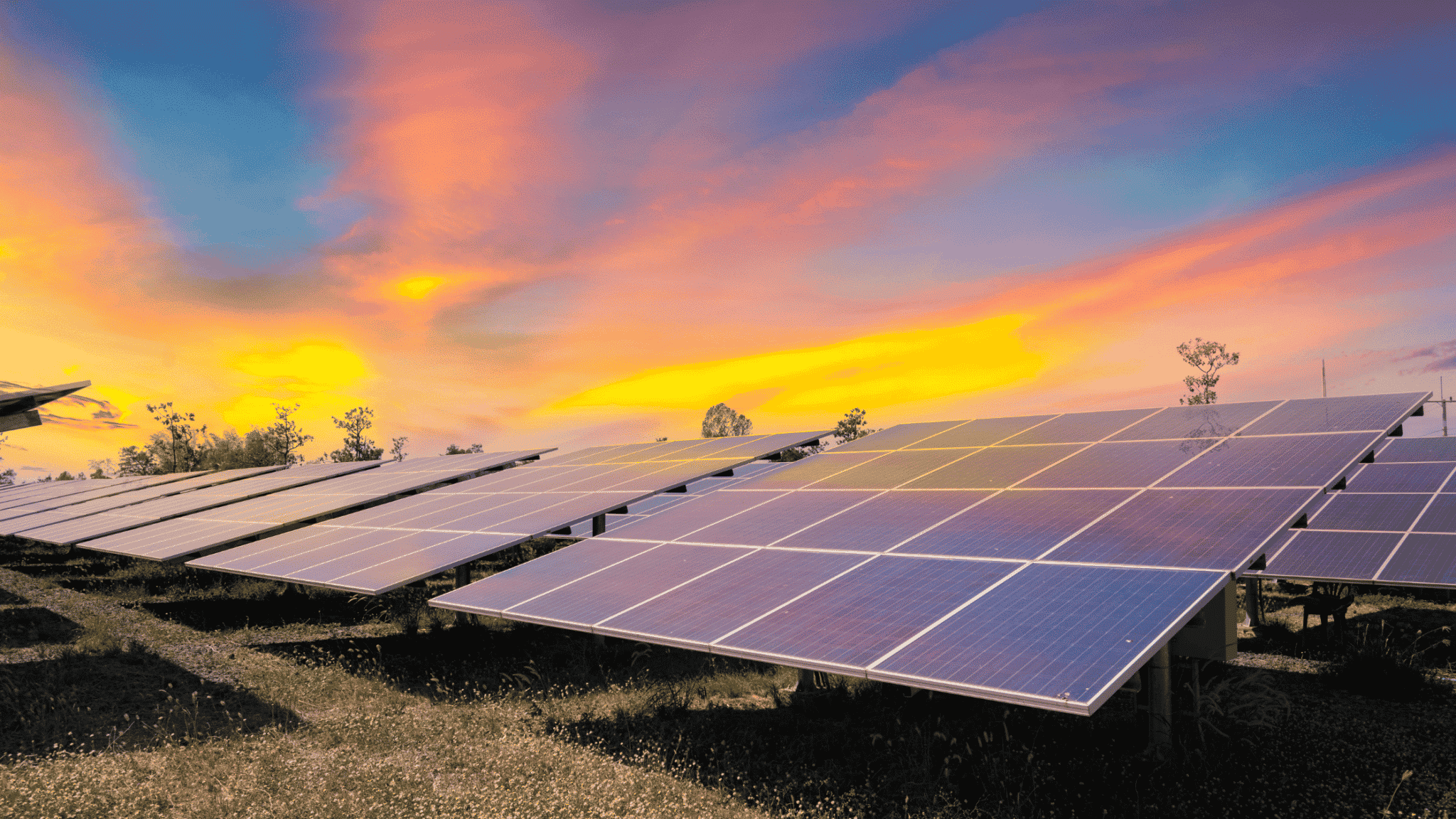
Imagine a world where access to basic healthcare isn't limited by something as fundamental as electricity. For many, this isn’t just a dream—it’s a daily challenge. Clinics struggle to refrigerate vaccines, power essential equipment, and even provide adequate lighting. But what if the sun, a resource freely available across the globe, held the key to unlocking better health outcomes?
For billions living in developing countries, reliable energy is a lifeline. Without it, healthcare systems are crippled. Consider the impact on vaccine storage alone: vaccines that require constant refrigeration become unusable, leaving vulnerable populations at risk of preventable diseases. This isn't just an infrastructure issue; it's a matter of life and death. As you read, think about the small changes or actions you can take in your own life to support sustainable practices and organizations dedicated to improving global health through renewable energy. Even sharing this article can raise awareness and contribute to positive change.
The Power of Sunlight: Revolutionizing Healthcare Access
The link between solar energy and enhanced global health is stronger than many realize. Solar power offers a decentralized, reliable, and clean alternative to traditional energy sources, particularly in areas where grid infrastructure is limited or non-existent. This translates directly to improved healthcare delivery.
How can solar energy improve vaccine storage in remote areas?
The most obvious application is in powering refrigerators for vaccines. In remote regions, maintaining the "cold chain" – the process of keeping vaccines at the correct temperature from manufacture to administration – is incredibly difficult. Diesel generators, often used as backup power, are expensive to run and maintain, and they produce harmful emissions. Solar-powered refrigerators offer a sustainable and cost-effective solution. Solar panels charge batteries during the day, which then power the refrigerator 24/7, ensuring vaccines remain viable. This simple intervention can dramatically increase vaccination rates and reduce the incidence of preventable diseases, particularly among children. Off-grid solar solutions are playing a crucial role in strengthening health systems worldwide.
Beyond Refrigeration: Other Healthcare Applications
The benefits extend far beyond vaccine storage. Solar power can provide electricity for: Lighting: Enabling healthcare workers to provide care at night, improving safety and extending clinic hours. Medical Equipment: Powering diagnostic tools like microscopes, centrifuges, and ultrasound machines, enabling more accurate diagnoses and treatment. Water Purification: Running water pumps and purification systems, providing access to clean and safe drinking water, crucial for preventing waterborne diseases. Telemedicine: Supporting communication technologies that connect remote healthcare facilities with specialists and resources in urban centers, improving access to expert medical advice.
Essentially, solar energy empowers healthcare facilities to function more effectively and efficiently, regardless of their location. This is especially vital in resource-constrained settings where access to reliable power can be the difference between life and death. The increased reliability and reduced operational costs compared to traditional energy sources make solar a highly attractive option for sustainable healthcare infrastructure.
Case Studies: Solar Energy in Action
Seeing the impact of solar in real-world scenarios brings the potential to life. Numerous initiatives are demonstrating the transformative power of solar energy in global health.
Rural Electrification in Africa: A Success Story
Several African countries have successfully implemented rural electrification projects using solar energy. These projects not only provide power to homes and businesses but also significantly improve healthcare access. For example, in some regions, solar-powered clinics have experienced a dramatic increase in patient visits due to extended hours and improved services. Solar financing initiatives are helping to make these projects a reality, with innovative models that make solar accessible and affordable to remote communities. Renewable energy in Africa is no longer a distant dream; it's a tangible reality that is reshaping healthcare and livelihoods.
Solar-Powered Maternal Health: Saving Lives
Maternal health is another area where solar energy is making a significant impact. In many developing countries, women face significant risks during childbirth due to lack of access to basic medical care and electricity. Solar-powered lighting allows midwives to assist deliveries safely at night, and solar-powered incubators provide crucial support for premature babies. These interventions can dramatically reduce maternal and infant mortality rates. These applications demonstrate the profound and direct impact that even simple solar solutions can have on the health and well-being of vulnerable populations.
Overcoming Challenges and Expanding Access
While the potential of solar energy in global health is immense, there are challenges to overcome to ensure widespread adoption.
What are the key challenges to widespread solar adoption in healthcare?
One major challenge is the initial cost of solar installations. While the long-term operational costs are significantly lower than traditional energy sources, the upfront investment can be a barrier, especially for resource-constrained healthcare facilities. Another challenge is the need for skilled technicians to install and maintain solar systems. Without proper training and support, systems can fail prematurely, undermining confidence in the technology.
How can solar financing help bridge the affordability gap?
Fortunately, innovative financing models are emerging to address the affordability challenge. These include: Microfinance: Providing small loans to healthcare facilities to purchase solar equipment. Public-Private Partnerships: Governments and private companies collaborating to fund and implement solar projects. Crowdfunding:Raising funds from individuals and organizations to support specific projects.
These financing mechanisms, coupled with decreasing solar panel costs, are making solar energy increasingly accessible to healthcare facilities in developing countries. Overcoming these financial barriers is crucial to scaling up the impact of solar energy on global health.
What role does training and education play in ensuring the long-term success of solar projects?
Investing in training and education is essential for ensuring the sustainability of solar projects. Local communities need to be equipped with the skills to install, maintain, and repair solar systems. This not only creates jobs but also ensures that systems are properly maintained, maximizing their lifespan and impact. Furthermore, educating healthcare workers about the benefits of solar energy and how to use solar-powered equipment is crucial for ensuring its effective utilization. By empowering local communities with knowledge and skills, we can create a sustainable ecosystem for solar energy in global health.
Policy Recommendations: Scaling Up the Impact
To truly unlock the potential of solar energy in global health, supportive policies are needed at both national and international levels.
Incentivizing Solar Adoption
Governments can play a crucial role by providing incentives for healthcare facilities to adopt solar energy. This can include tax breaks, subsidies, and grants. Additionally, governments can streamline the regulatory process for solar installations, making it easier and faster for healthcare facilities to access solar power. By creating a favorable policy environment, governments can accelerate the adoption of solar energy and improve healthcare outcomes.
Promoting Public-Private Partnerships
Public-private partnerships are essential for mobilizing resources and expertise to scale up solar projects. Governments can partner with private companies to develop and implement solar projects, leveraging the technical expertise and financial resources of the private sector. These partnerships can also help to ensure that solar projects are sustainable and effectively managed.
Investing in Research and Development
Continued investment in research and development is crucial for developing more efficient and cost-effective solar technologies. This includes research into new materials, innovative system designs, and improved battery storage solutions. By pushing the boundaries of solar technology, we can further reduce the cost of solar energy and make it even more accessible to healthcare facilities in developing countries.
A Brighter Future Powered by the Sun
The journey toward universal healthcare access is a complex one, but solar energy offers a powerful and sustainable solution to many of the challenges faced by healthcare systems in developing countries. By embracing solar power, we can empower healthcare facilities, improve health outcomes, and create a brighter and healthier future for all. Microgrids and other decentralized solutions are offering hope to communities that have been left behind by traditional infrastructure.
The opportunity to harness the sun's energy for the betterment of global health is within our reach. It requires a concerted effort from governments, organizations, and individuals. Each step, no matter how small, contributes to a world where energy poverty is no longer a barrier to quality healthcare. Let’s continue to champion renewable energy solutions and work towards a future where everyone has access to the healthcare they deserve, powered by the sun.