

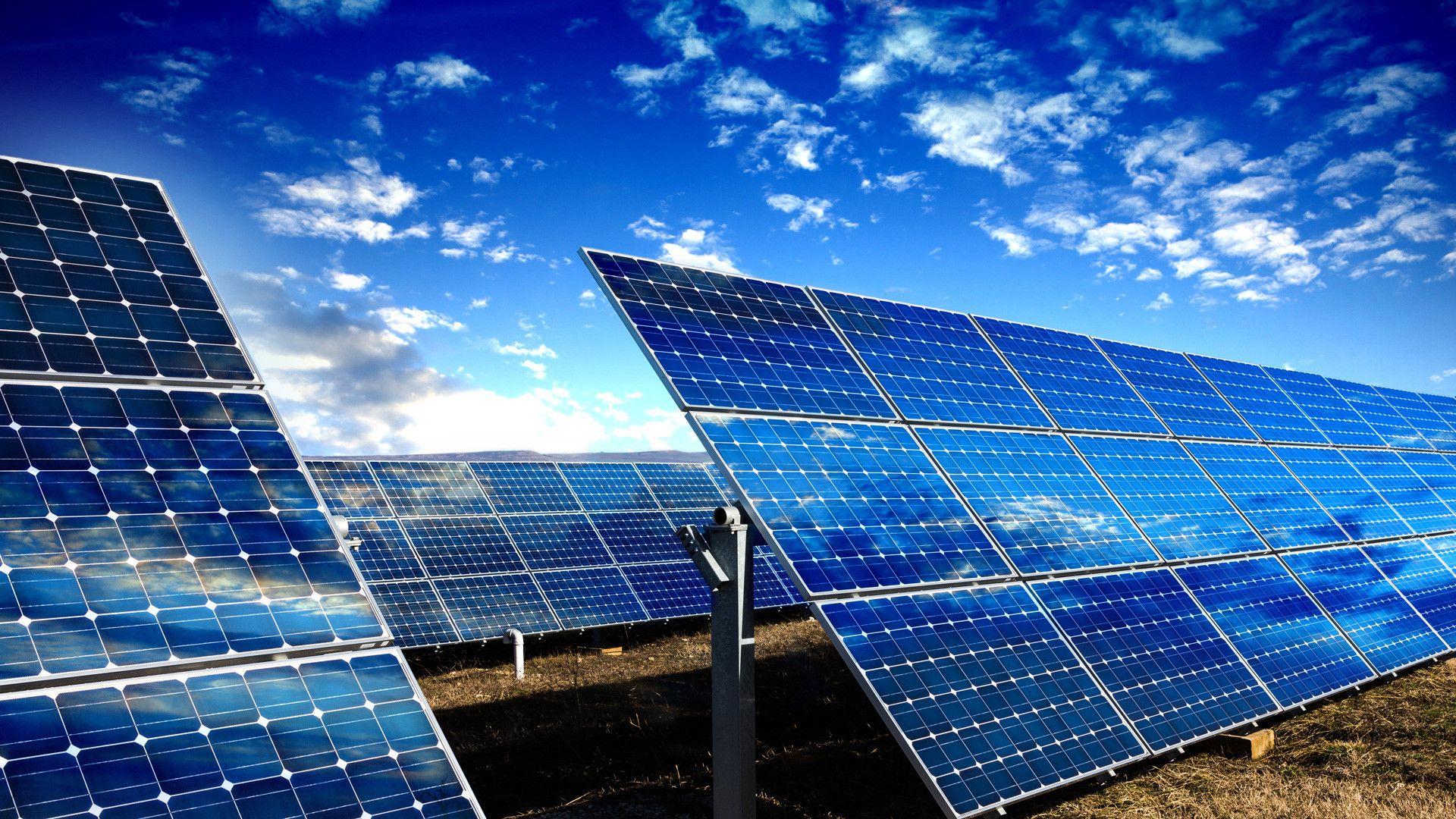
Imagine a world where access to information and education isn't limited by the setting sun. Where students in rural villages can connect to online learning resources, and farmers can access real-time market data, all powered by clean, reliable energy. This vision is becoming a reality, thanks to the increasing availability of solar power in developing nations. But there's still a gap to bridge, a digital divide that cleaves communities and hinders progress.
This issue isn't just about providing electricity; it's about empowering individuals and fostering economic growth. Access to digital technologies—the internet, computers, smartphones—is crucial for accessing education, healthcare, financial services, and countless other opportunities. Without reliable power, these technologies remain out of reach for many, perpetuating cycles of poverty and inequality. Furthermore, renewable energy in Africa and other regions offers a sustainable path forward, bypassing the environmental damage often associated with traditional energy sources.
Consider this: investing in a small solar home system can provide enough power for lighting, phone charging, and internet access. This small change can dramatically improve a family's quality of life and create new avenues for education and economic advancement. The key is to make these systems affordable and accessible, coupled with digital literacy programs, to ensure that communities can truly benefit from this technological leap.
Solar Energy and the Digital Divide in Developing Countries
Bridging the Gap: How Solar Power Fuels Digital Inclusion
The convergence of affordable solar technology and the urgent need for digital inclusion presents a powerful opportunity. We’re talking about the chance to leapfrog traditional infrastructure limitations and provide communities with the tools they need to thrive in the 21st century. Off-grid solar solutions, microgrids, and innovative financing models are paving the way for a more equitable and sustainable future, where access to information and opportunity isn't determined by location or income.
The Interconnected Challenges: Energy Poverty and the Digital Divide
The absence of reliable electricity is a major barrier to digital access. Without power, charging phones, using computers, and accessing the internet become difficult, if not impossible. This creates a vicious cycle where communities are cut off from the information and resources they need to improve their lives. The impact goes beyond individual inconvenience; it stifles economic growth, limits educational opportunities, and hinders access to essential services like healthcare.
What are the main obstacles to digital access in developing countries?
Several factors contribute to the digital divide, including: Lack of infrastructure: Limited access to electricity and internet connectivity, particularly in rural areas. Affordability: The cost of devices, data, and electricity can be prohibitive for low-income families. Digital literacy: Lack of training and skills to effectively use digital technologies. Language barriers: Content and applications may not be available in local languages. Social and cultural factors:Gender inequalities and other social norms can limit access for certain groups.
Addressing these challenges requires a multi-faceted approach, combining infrastructure development, affordability initiatives, digital literacy programs, and culturally relevant content. Solar energy plays a vital role in tackling the infrastructure deficit, providing a sustainable and affordable source of power for digital devices and connectivity.
How does limited access to electricity impact education?
Without electricity, students cannot study after dark, access online resources, or use computers for learning. This puts them at a significant disadvantage compared to their peers in areas with reliable power. Furthermore, teachers may lack the resources to effectively use technology in the classroom, hindering their ability to provide quality education. Solar-powered schools and community learning centers can overcome these limitations, providing students with the resources they need to succeed.
Solar Energy: A Catalyst for Change
Solar energy offers a practical and sustainable solution to address energy poverty and promote digital inclusion. Decentralized solar systems, such as solar home systems and microgrids, can provide reliable electricity to remote communities that are not connected to the national grid. These systems are becoming increasingly affordable, thanks to technological advancements and innovative financing models.
What makes solar energy affordable in rural areas?
Several factors contribute to the affordability of solar energy in rural areas: Falling panel costs: The price of solar panels has decreased dramatically in recent years, making solar power more accessible to low-income communities. Modular systems: Solar home systems and microgrids can be scaled to meet the specific needs of a household or community, reducing upfront costs. Pay-as-you-go financing: Innovative financing models allow customers to pay for solar energy in small installments, making it more affordable and manageable. Government subsidies and incentives: Many governments offer subsidies and incentives to promote the adoption of solar energy in rural areas. Reduced reliance on fossil fuels:Solar energy reduces the need for expensive and polluting fossil fuels, saving money and improving air quality.
How can microgrids support digital connectivity?
Microgrids are localized energy grids that can operate independently from the main grid. They can be powered by a variety of renewable energy sources, including solar, wind, and hydro. Microgrids can provide reliable electricity to communities, enabling them to power schools, hospitals, businesses, and homes. This, in turn, supports digital connectivity by powering internet access points, computer labs, and other digital infrastructure. In areas where grid connectivity is unreliable or non-existent, microgrids offer a viable solution for powering digital inclusion initiatives.
Success Stories: Empowering Communities with Solar and Digital Access
Across the developing world, there are inspiring examples of how solar energy is transforming communities and bridging the digital divide.
Rural schools in India: Solar-powered schools provide students with access to computers, internet, and after-dark lighting, improving their educational outcomes. Healthcare clinics in Africa: Solar energy powers essential medical equipment and provides reliable lighting, improving healthcare delivery in remote areas. Small businesses in Latin America: Solar-powered businesses can operate more efficiently and expand their services, creating jobs and boosting the local economy. Community centers in Southeast Asia: Solar-powered community centers provide access to computers, internet, and digital literacy training, empowering communities to participate in the digital economy.
These success stories demonstrate the transformative potential of solar energy to promote digital inclusion and improve the lives of people in developing countries.
Overcoming Challenges and Ensuring Equitable Access
While the potential of solar energy to bridge the digital divide is immense, there are also challenges that need to be addressed.
Ensuring affordability: Innovative financing models and government subsidies are needed to make solar energy accessible to low-income communities. Promoting digital literacy: Training programs are essential to ensure that people have the skills to effectively use digital technologies. Addressing gender inequalities: Targeted interventions are needed to ensure that women and girls have equal access to solar energy and digital opportunities. Developing culturally relevant content: Content and applications should be available in local languages and tailored to the specific needs of the community. Maintaining and repairing systems:Local technicians need to be trained to maintain and repair solar energy systems to ensure their long-term sustainability.
By addressing these challenges, we can ensure that solar energy and digital access are truly equitable and benefit all members of society. Solar financing options must be readily available and appropriately tailored.
Policy Recommendations and Future Directions
To accelerate the adoption of solar energy and promote digital inclusion, governments, NGOs, and the private sector need to work together to implement supportive policies and programs.
Invest in renewable energy infrastructure: Governments should prioritize investments in solar energy infrastructure, particularly in rural areas. Provide subsidies and incentives: Subsidies and incentives can help make solar energy more affordable for low-income communities. Promote digital literacy: Governments should invest in digital literacy programs to ensure that people have the skills to effectively use digital technologies. Encourage innovation: Supporting research and development can lead to new and more affordable solar energy technologies. Foster public-private partnerships: Public-private partnerships can leverage the resources and expertise of both sectors to accelerate the deployment of solar energy and promote digital inclusion. Support local entrepreneurship: Training and support for local entrepreneurs can create jobs and promote the long-term sustainability of solar energy projects.
The future of solar energy and digital inclusion is bright. By working together, we can create a world where everyone has access to the power and information they need to thrive. The combination of renewable energy solutions with digital literacy programs is a win-win.
As technology continues to advance and costs continue to fall, the potential to bridge the digital divide and empower communities with clean, affordable energy is greater than ever before. Let's embrace this opportunity and work towards a more equitable and sustainable future for all. Investing in rural electrification through solar is an investment in a brighter future.