

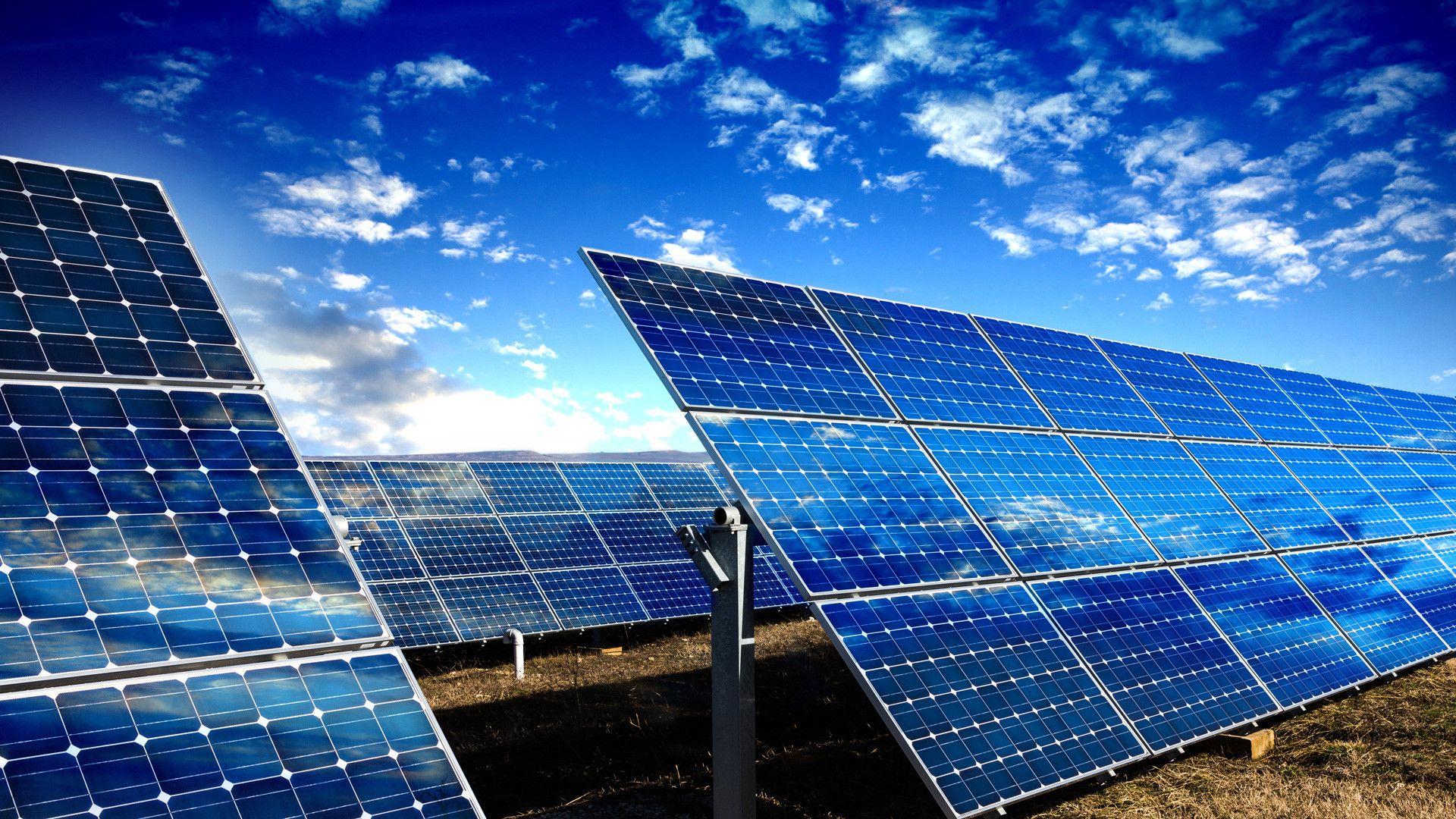
Imagine a world where even the smallest farm, nestled in a remote village, can compete on a global stage. It sounds ambitious, perhaps even impossible, but access to reliable, affordable energy is rapidly turning this vision into reality. For many farmers in developing nations, the key to unlocking this potential lies in harnessing the power of the sun.
The stakes are incredibly high. Farmers in developing countries often face crippling challenges: unreliable grid electricity (if it exists at all), expensive diesel fuel for generators, and limited access to technologies that could boost their yields and efficiency. These hurdles keep them trapped in cycles of poverty and make it nearly impossible to compete with larger, more technologically advanced agricultural operations. Providing access to affordable and reliable energy like off-grid solar solutions, particularly in regions like Sub-Saharan Africa or Southeast Asia, offers a direct path to economic empowerment and food security.
Here's a practical step: start small and scale strategically. Instead of trying to overhaul your entire energy system at once, focus on a specific need, such as powering irrigation pumps or refrigeration for storing produce. This allows you to test the waters, learn how solar technology works in your context, and build confidence for larger investments down the road.
How Solar Helps Small Farmers Compete in Global Markets
For smallholder farmers, particularly those in the developing world, the ability to compete in global markets often hinges on overcoming significant obstacles: limited access to reliable and affordable energy, inefficient farming practices, and the challenges of preserving and transporting their crops. Solar energy offers a powerful solution to these problems, leveling the playing field and enabling small farmers to increase their productivity, reduce costs, and access new markets.
Lowering Energy Costs and Increasing Profitability
One of the most immediate benefits of adopting solar energy is the significant reduction in energy costs. Farmers often rely on expensive and polluting diesel generators to power their operations, especially in areas with unreliable or non-existent grid electricity. Switching to solar-powered systems drastically reduces these costs, freeing up capital that can be invested in other areas of the farm, such as improved seeds, fertilizers, or irrigation systems. The decreased operating expenses directly translate into higher profits and a more sustainable business model.
What are the initial costs of switching to solar for a small farm?
The upfront investment in solar energy can seem daunting, but costs have fallen dramatically in recent years, making it increasingly accessible. The exact price depends on the size and type of system needed, but government subsidies, financing options (like microloans specifically for renewable energy projects), and community-based solar programs can help offset these costs. Focusing on a modular approach, starting with essential needs like water pumping and expanding as you save money, is an effective strategy. Remember to research reputable installers and compare quotes to ensure you get the best value for your investment.
How long does it take for a solar energy system to pay for itself?
The payback period for a solar energy system varies depending on factors like energy consumption, local electricity prices (or diesel fuel costs), and available incentives. However, many farmers find that their solar investment pays for itself within 3 to 7 years, thanks to the savings on energy bills and potential income from selling excess electricity back to the grid (where net metering programs are available). After the payback period, the system generates free electricity for the remainder of its lifespan, which can be 25 years or more.
Improving Irrigation and Water Management
Access to reliable water is crucial for successful farming, especially in regions prone to drought or water scarcity. Solar-powered water pumps provide a sustainable and cost-effective way to irrigate crops, ensuring a consistent water supply even in remote areas. These systems can pump water from wells, rivers, or reservoirs, allowing farmers to cultivate land that would otherwise be unproductive. Moreover, solar-powered irrigation can be automated, reducing labor costs and improving water use efficiency, which is essential for sustainable agriculture.
What type of irrigation systems work best with solar power?
Drip irrigation and micro-sprinkler systems are particularly well-suited for solar-powered irrigation because they require less water pressure than traditional sprinkler systems. This means a smaller and less expensive solar pump can be used, reducing the overall cost of the system. Drip irrigation delivers water directly to the roots of plants, minimizing water waste and maximizing efficiency. Additionally, integrating moisture sensors and smart controllers can further optimize water usage based on real-time conditions.
Enhancing Crop Storage and Preservation
Post-harvest losses are a major problem for small farmers, particularly in developing countries where access to refrigeration is limited. Solar-powered refrigerators and cooling systems can significantly reduce these losses by preserving crops for longer periods. This allows farmers to store their produce until prices are more favorable, access distant markets, and reduce food waste. Solar-powered cold storage can also be used to store seeds, medicines, and other essential supplies, further improving the resilience of farming communities.
What are the options for solar-powered crop cooling and storage?
Several options exist, ranging from small-scale solar refrigerators suitable for individual farms to larger, community-based cold storage facilities. Solar chillers use the sun's energy to power a refrigeration cycle, keeping produce cool without the need for grid electricity. Solar-powered evaporative coolers are another option, particularly effective in dry climates. For larger-scale operations, solar-powered cold rooms provide a controlled environment for storing large quantities of produce. The best option depends on the specific needs of the farmer and the size of their operation.
Accessing New Markets and Value Chains
By improving their productivity, reducing losses, and enhancing the quality of their crops, solar energy empowers small farmers to access new markets and participate in higher-value supply chains. With reliable electricity, they can process their crops on-site, adding value and increasing their profits. For example, they can use solar-powered mills to grind grains, solar-powered dryers to dry fruits and vegetables, or solar-powered packaging equipment to prepare their products for market. This increased value addition allows them to command higher prices and compete with larger producers. Furthermore, the use of solar energy can enhance the sustainability credentials of their products, making them more attractive to environmentally conscious consumers in global markets.
How can solar energy help farmers obtain organic certification?
Increasingly, consumers are demanding sustainably produced food. Solar energy directly supports this trend. By reducing reliance on fossil fuels, farms powered by solar energy can significantly lower their carbon footprint. This can be a major advantage when seeking organic certification or other sustainability labels, which often require demonstrating environmentally responsible practices. Some certification programs even offer bonus points or incentives for farms that use renewable energy sources like solar.
Building Resilience and Adapting to Climate Change
Climate change poses a significant threat to agriculture, with increased droughts, floods, and extreme weather events impacting crop yields and livelihoods. Solar energy can help farmers build resilience to these challenges by providing a reliable and decentralized source of power. Solar-powered irrigation can mitigate the impacts of drought, while solar-powered drainage systems can help manage excess water during floods. Moreover, solar energy can power early warning systems and communication technologies, allowing farmers to prepare for and respond to extreme weather events. By reducing their reliance on fossil fuels, solar energy also helps to mitigate climate change, contributing to a more sustainable future for agriculture.
What role can solar-powered microgrids play in rural farming communities?
Solar-powered microgrids offer a solution to the challenge of unreliable electricity in rural areas. These small-scale, localized energy grids can provide a reliable and affordable source of power to multiple farms and households within a community. They can be powered by a combination of solar panels, batteries, and other renewable energy sources, such as wind or biogas. Microgrids can improve access to electricity for farmers, enabling them to power irrigation systems, refrigeration units, and other essential equipment. They can also create new economic opportunities by supporting the development of local businesses and industries. Moreover, microgrids can enhance the resilience of rural communities by providing a backup power source during grid outages or natural disasters. They are especially useful for electrification and agricultural advancement in remote farming locations.
Financing Options and Support Programs
While the benefits of solar energy for small farmers are clear, access to financing remains a significant barrier. Fortunately, a growing number of financing options and support programs are available to help farmers invest in solar technology. These include government subsidies, grants, low-interest loans, and microfinance schemes specifically designed for renewable energy projects. Organizations like the World Bank, the United Nations, and various NGOs offer programs to support the adoption of solar energy in developing countries. Additionally, innovative financing models, such as pay-as-you-go solar systems, are making solar energy more accessible to farmers with limited capital.
How can farmers find available grants and subsidies for solar energy?
Finding the right financial assistance can be tricky. Start by researching government agencies and organizations in your region that promote renewable energy and agricultural development. Check their websites for information on grants, subsidies, and loan programs. Also, explore the websites of international organizations and NGOs that support sustainable agriculture in developing countries. Networking with other farmers and attending agricultural conferences can also provide valuable information about available financing options. Consider working with a local solar installer who is familiar with available incentives and can help you navigate the application process.
The journey to global competitiveness for small farmers is not without its challenges, but the potential of solar energy to transform their livelihoods is undeniable. With ingenuity, support, and a commitment to sustainable practices, farmers can harness the power of the sun to build a brighter future for themselves, their communities, and the world.