

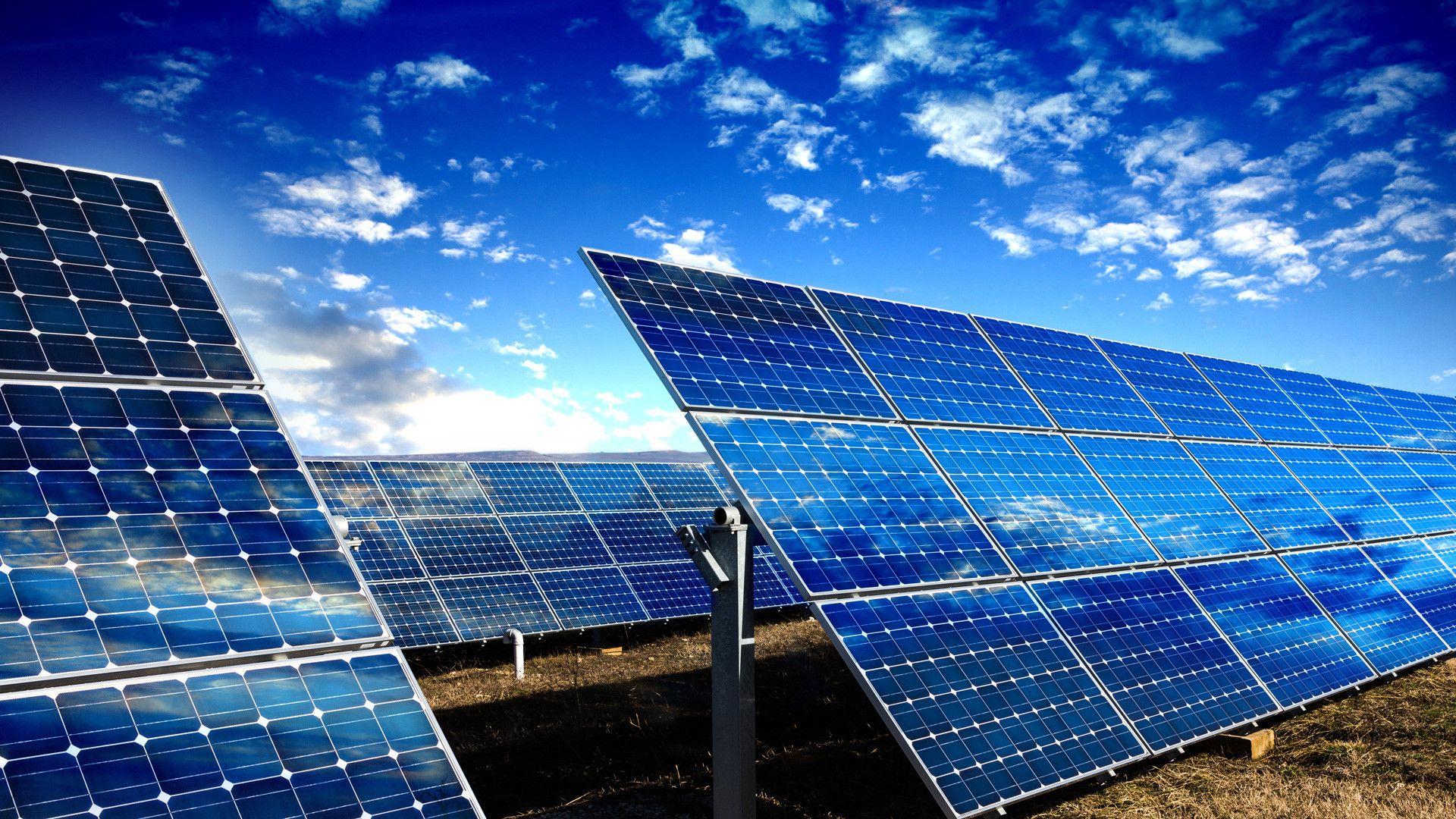
Imagine a world powered by sunshine. Sounds like a dream, right? But it’s becoming more and more of a reality every day. As solar technology advances and becomes more affordable, we're seeing a real shift in how we generate and use energy, moving away from the traditional dominance of fossil fuels.
Why does this matter, especially if you live in a developing country? Access to reliable and affordable energy is the bedrock of progress. It powers homes, schools, hospitals, and businesses. For too long, many communities have been held back by a reliance on expensive and polluting fossil fuels. Solar energy offers a path to energy independence, economic growth, and a cleaner environment – a chance to leapfrog outdated infrastructure and build a sustainable future.
Here's a simple step: consider how you can reduce your own energy consumption. Even small changes, like switching to LED lighting or unplugging electronics when not in use, can make a difference and reduce the overall demand on the grid, regardless of where your energy comes from.
Solar Power: Diminishing the Role of Fossil Fuels
Solar energy is increasingly recognized as a critical solution to the global challenge of reducing our reliance on fossil fuels. Unlike coal, oil, and natural gas, solar power is a renewable resource, meaning it replenishes naturally and won't run out. By harnessing the sun's energy, we can significantly decrease our dependence on these finite and environmentally damaging sources. Let's delve into exactly how this transition unfolds and why it's so vital.
How Solar Energy Directly Displaces Fossil Fuels
The most straightforward way solar energy lessens our need for fossil fuels is by directly replacing them as an energy source. Solar panels convert sunlight into electricity, which can then be used to power homes, businesses, and even entire communities. When you install solar panels on your roof, you're essentially generating your own electricity, reducing the amount you need to purchase from the grid – which is often powered by fossil fuels. Large-scale solar farms can generate massive amounts of electricity, feeding it directly into the grid and further reducing the demand for fossil fuel-based power plants.
How Does Solar Energy Impact the Grid?
As solar energy penetration increases on the grid, it changes the dynamics of electricity generation. During peak sunlight hours, solar power can supply a significant portion of the demand, forcing fossil fuel plants to reduce their output or even shut down temporarily. This is known as the "duck curve" effect, where solar generation creates a dip in demand for traditional power sources during the day. Managing this fluctuating supply requires smart grid technologies and energy storage solutions like batteries. However, even with these challenges, the overall impact is a substantial reduction in fossil fuel consumption. Furthermore, as more solar projects come online, they create competition in the energy market, often driving down the cost of electricity for everyone, not just those with solar panels. This economic pressure incentivizes further investment in renewable energy sources, creating a virtuous cycle.
The Broader Impact: Beyond Direct Replacement
The impact of solar energy extends beyond simply replacing fossil fuels in electricity generation. It fosters innovation, creates jobs, and strengthens local economies. The solar industry is a rapidly growing sector, providing employment opportunities in manufacturing, installation, maintenance, and research. Investing in solar energy can also reduce a country's dependence on foreign energy sources, enhancing energy security and geopolitical stability.
What are the economic benefits of solar in developing countries?
In developing countries, solar energy can be a game-changer. It can provide electricity to remote communities that are not connected to the grid, enabling access to education, healthcare, and economic opportunities. Off-grid solar solutions, such as solar home systems and mini-grids, are becoming increasingly affordable and accessible, empowering individuals and communities to take control of their energy future. These systems can power lights, refrigerators, computers, and other essential appliances, improving the quality of life and fostering economic development. Moreover, solar energy can reduce reliance on expensive and polluting diesel generators, which are often the only source of electricity in remote areas. This can lead to significant cost savings and reduce greenhouse gas emissions. The growth of the solar industry in these regions also creates local jobs and stimulates economic activity.
The Role of Energy Storage
One of the key challenges with solar energy is its intermittency – it's only available when the sun is shining. This is where energy storage comes in. By storing excess solar energy in batteries, we can use it when the sun isn't shining, such as at night or on cloudy days. Energy storage technologies are rapidly advancing, becoming more efficient and affordable. When combined with solar power, they can provide a reliable and continuous source of electricity, further reducing our reliance on fossil fuels.
How Do Battery Storage Systems Work with Solar Panels?
Battery storage systems typically work by storing excess electricity generated by solar panels during the day. This electricity can then be discharged to power homes or businesses when solar generation is low or non-existent. There are several types of battery storage systems, including lithium-ion batteries, which are commonly used in residential and commercial applications. The size of the battery system depends on the amount of energy you want to store and the amount of electricity you typically use. Battery storage systems can also be used to provide backup power during grid outages, ensuring that you have access to electricity even when the grid is down. This is particularly important in areas that are prone to power outages due to storms or other natural disasters.
Overcoming Barriers to Solar Adoption
Despite the numerous benefits of solar energy, there are still barriers to its widespread adoption. These include high upfront costs, lack of awareness, and regulatory hurdles. However, these barriers are gradually being overcome as solar technology becomes more affordable and governments implement policies to support its deployment. Financial incentives, such as tax credits and rebates, can help reduce the upfront cost of solar panels. Educational programs can raise awareness about the benefits of solar energy and dispel myths. Streamlining permitting processes and implementing net metering policies can make it easier for homeowners and businesses to install solar panels and connect them to the grid.
What makes solar energy affordable in rural areas?
Several factors contribute to the affordability of solar energy in rural areas. Firstly, the cost of solar panels has decreased dramatically in recent years, making them more accessible to a wider range of people. Secondly, off-grid solar solutions, such as solar home systems and mini-grids, are becoming increasingly affordable and can provide electricity to remote communities that are not connected to the grid. These systems often come with financing options, such as microloans, which make them even more accessible. Thirdly, solar energy can reduce reliance on expensive and polluting diesel generators, which are often the only source of electricity in rural areas. This can lead to significant cost savings. Finally, governments and NGOs are increasingly providing subsidies and incentives to support the deployment of solar energy in rural areas.
The Future is Bright: A Solar-Powered World
The transition to a solar-powered world is not just a dream; it's a tangible goal that we can achieve with continued innovation, investment, and policy support. As solar technology continues to improve and become more affordable, it will play an increasingly important role in meeting our energy needs and reducing our dependence on fossil fuels. The benefits of solar energy are clear: it's clean, renewable, and sustainable. It can power our homes, businesses, and communities without polluting the environment or depleting our natural resources. It can create jobs, stimulate economic growth, and enhance energy security.
So, embrace the power of the sun. Every solar panel installed, every solar project developed, is a step towards a cleaner, healthier, and more sustainable future for all. The journey may have its challenges, but the destination – a world where clean energy powers our lives – is well worth the effort.