

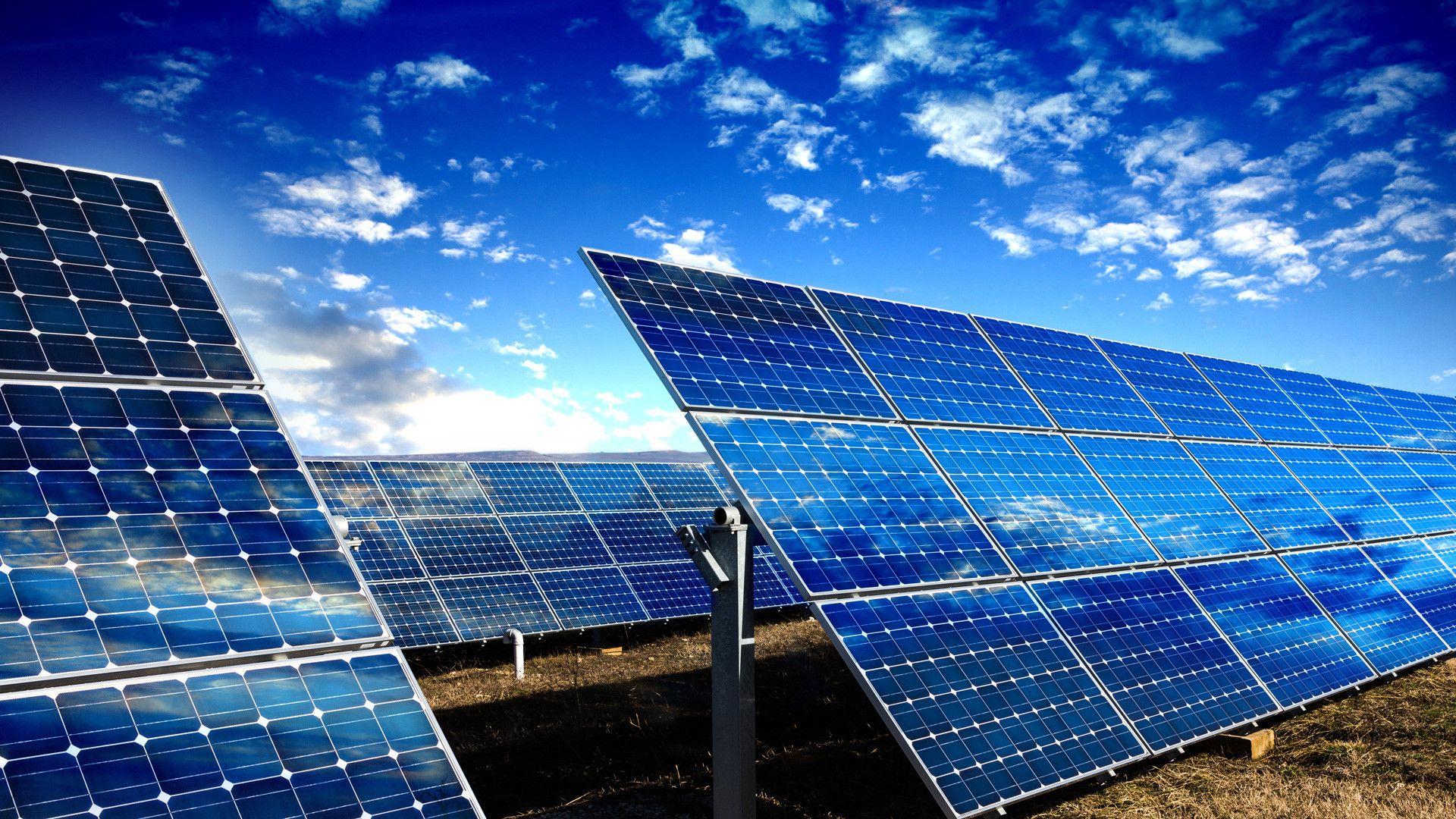
Imagine city streets lit not by humming power lines, but by the silent, clean energy of the sun. Schools humming with the focused energy of students, powered by rooftop solar panels. This isn't a futuristic fantasy – it’s happening now, and its potential to reshape our communities is immense. Let's explore how integrating solar power transforms public infrastructure.
Why does this matter, particularly for those in the developing world? Access to reliable electricity is a cornerstone of progress. For many communities, especially in rural areas of Africa, Asia, and Latin America, traditional grid infrastructure is either nonexistent or unreliable. Solar energy offers a path to energy independence, fostering economic growth, improving healthcare through reliable refrigeration for vaccines, and enhancing education with consistent power for schools. It’s about more than just lights – it's about empowering communities to thrive.
A practical tip: Explore community solar programs in your area. Many municipalities are offering incentives and shared solar projects that allow residents and even public institutions to access solar energy without the upfront cost of installing panels directly on their property. This is a great way to support renewable energy and potentially lower your electricity bills, while contributing to the sustainability of public services.
How Solar Energy Helps Power Public Infrastructure
Our public infrastructure—the buildings, roads, and systems that support our daily lives—are often energy hogs. But imagine a future where these essential services are powered by a clean, sustainable, and increasingly affordable source: solar energy. From schools and hospitals to transportation and water treatment facilities, solar offers a compelling solution for powering our communities in a more responsible way.
The Expanding Role of Solar in Public Works
The possibilities are expanding every day regarding solar energy and how we can use it in a variety of public works projects. Using solar power in public infrastructure isn't just about being "green"; it's a smart investment that can save money, increase resilience, and create a more sustainable future for everyone.
How can solar panels cut costs for schools?
Schools are significant energy consumers. Lighting, heating, cooling, and powering computers all add up. Installing solar panels on school rooftops or adjacent land can dramatically reduce electricity bills. The savings can then be redirected to other critical areas, such as hiring more teachers, purchasing updated learning materials, or funding extracurricular activities. Furthermore, solar installations can be integrated into the curriculum, providing students with hands-on learning opportunities about renewable energy and sustainability. Schools in sunny regions can often achieve net-zero energy consumption, meaning they generate as much energy as they use, effectively eliminating their reliance on fossil fuels and reducing their carbon footprint. Power Purchase Agreements (PPAs) are also a viable option here, allowing a third party to own and maintain the solar system, with the school simply purchasing the power generated at a fixed rate, often lower than the utility's rate.
What are the benefits for hospitals?
Hospitals require a constant and reliable power supply to ensure patient safety and deliver critical services. Power outages can have devastating consequences. Solar energy, especially when coupled with battery storage, offers a resilient backup power solution. In the event of a grid failure, the solar system can seamlessly switch to battery power, keeping essential equipment running, such as life support systems, operating rooms, and refrigeration for medications. Furthermore, solar can help hospitals reduce their operating costs, freeing up resources to improve patient care and invest in advanced medical technologies. Solar thermal systems can also be used to heat water for sterilization and laundry, further reducing the hospital's reliance on fossil fuels.
Revolutionizing Transportation with Solar Energy
Beyond buildings, solar energy is transforming the transportation sector, offering sustainable solutions for powering vehicles, infrastructure, and public transit systems. This extends from solar-powered EV charging stations to powering streetlights with photovoltaic cells.
Solar-Powered Public Transit: Is it viable?
Imagine buses and trains powered entirely by the sun. It's not as far-fetched as it sounds. Solar panels can be installed on bus depots and train stations to generate electricity to charge electric buses and trains. Solar canopies can also be built over parking lots to provide shade and generate power simultaneously. This reduces reliance on fossil fuels, lowers greenhouse gas emissions, and creates cleaner, healthier air for urban communities. Furthermore, solar-powered transit systems can be more resilient to disruptions in the traditional energy grid, ensuring reliable transportation services for commuters. In regions with abundant sunshine, solar-powered public transit can significantly reduce operating costs, making public transportation more affordable and accessible.
How are Solar Streetlights Improving Safety and Efficiency?
Traditional streetlights consume a significant amount of energy. Solar streetlights offer a cost-effective and environmentally friendly alternative. They are self-contained units with a solar panel, battery, and LED light, making them easy to install and maintain. They eliminate the need for underground wiring, reducing installation costs and minimizing disruptions to traffic. Solar streetlights can also be equipped with sensors that automatically adjust the light output based on ambient light levels, further optimizing energy efficiency. In rural areas and developing countries, where access to electricity is limited, solar streetlights provide a safe and reliable source of lighting, improving visibility and enhancing security.
Water and Wastewater Treatment Plants: A Prime Candidate for Solar
Water and wastewater treatment plants are essential for public health, but they are also energy-intensive operations. Pumping, treating, and distributing water requires significant amounts of electricity. Solar energy offers a way to reduce the environmental impact of these facilities and lower their operating costs.
Can solar reduce water treatment costs?
Solar panels can be installed on the roofs of treatment plants or on adjacent land to generate electricity to power the various processes involved in water treatment, such as pumping, filtration, and disinfection. This reduces reliance on the grid, lowers electricity bills, and minimizes greenhouse gas emissions. In some cases, solar energy can be used to power off-grid water treatment systems, providing clean and safe drinking water to remote communities that lack access to centralized water infrastructure. Furthermore, solar-powered desalination plants can be used to convert saltwater into freshwater, addressing water scarcity issues in arid regions.
How can wastewater management be improved?
Wastewater treatment plants can also benefit from solar energy. Solar panels can power the aeration systems, pumps, and other equipment used to treat wastewater. This reduces the plant's energy consumption and lowers its carbon footprint. In addition, biogas produced during wastewater treatment can be used to generate electricity, further reducing reliance on fossil fuels. Solar-powered wastewater treatment systems can be designed to operate off-grid, providing a sustainable solution for managing wastewater in remote areas. By integrating solar energy into wastewater treatment, communities can protect their water resources and promote public health in a more environmentally responsible way.
Financing and Policy Considerations for Solar Projects
Implementing solar projects for public infrastructure requires careful planning and strategic financing. Government policies and incentives play a crucial role in promoting the adoption of solar energy.
What types of financial incentives are available?
Many governments offer financial incentives to encourage the development of solar projects, including tax credits, rebates, grants, and loan programs. These incentives can significantly reduce the upfront cost of installing solar panels, making it more affordable for public entities to invest in renewable energy. Power Purchase Agreements (PPAs) are another financing option, allowing a third party to own and operate the solar system, with the public entity simply purchasing the power generated at a fixed rate. This eliminates the need for upfront investment and transfers the risk of system performance to the third-party provider. Exploring these various financing options is crucial for making solar projects financially viable.
How can policies support solar energy adoption?
Government policies can play a significant role in driving the adoption of solar energy. Renewable portfolio standards (RPS) require utilities to generate a certain percentage of their electricity from renewable sources, creating a demand for solar energy. Net metering policies allow solar panel owners to sell excess electricity back to the grid, compensating them for the energy they generate. Streamlining permitting processes and reducing bureaucratic hurdles can also encourage solar development. By creating a supportive policy environment, governments can accelerate the transition to a cleaner and more sustainable energy future.
Overcoming Challenges and Looking Ahead
While solar energy offers numerous benefits for public infrastructure, there are also challenges that need to be addressed. Intermittency, the variability of solar energy due to weather conditions, can be mitigated through the use of battery storage and smart grid technologies. Land use concerns can be addressed by utilizing existing rooftops and brownfield sites for solar installations.
What makes solar energy affordable in rural areas?
The falling cost of solar panels, coupled with innovative financing models and government incentives, is making solar energy increasingly affordable in rural areas. Off-grid solar systems can provide a cost-effective alternative to extending the traditional power grid, bringing electricity to remote communities that lack access to centralized power. Community solar projects can also enable residents to share the benefits of solar energy, even if they cannot install panels on their own properties. Furthermore, the creation of local jobs in the solar industry can boost rural economies and provide opportunities for economic development.
What innovations are coming in solar technology?
The field of solar technology is constantly evolving, with new innovations emerging all the time. Perovskite solar cells, for example, offer the potential for higher efficiency and lower manufacturing costs. Floating solar farms, installed on bodies of water, can generate electricity without taking up valuable land. Transparent solar panels can be integrated into windows and building facades, turning entire buildings into power generators. These advancements promise to further enhance the performance and affordability of solar energy, making it an even more attractive option for powering public infrastructure.
As solar technology continues to advance and become more affordable, its role in powering our public infrastructure will only grow. From schools and hospitals to transportation and water treatment, solar energy offers a clean, sustainable, and resilient solution for meeting our energy needs. By embracing solar power, we can create a more sustainable future for our communities and protect our planet for generations to come. It's an exciting journey, and every panel installed, every streetlight converted, is a step towards a brighter, cleaner tomorrow.