

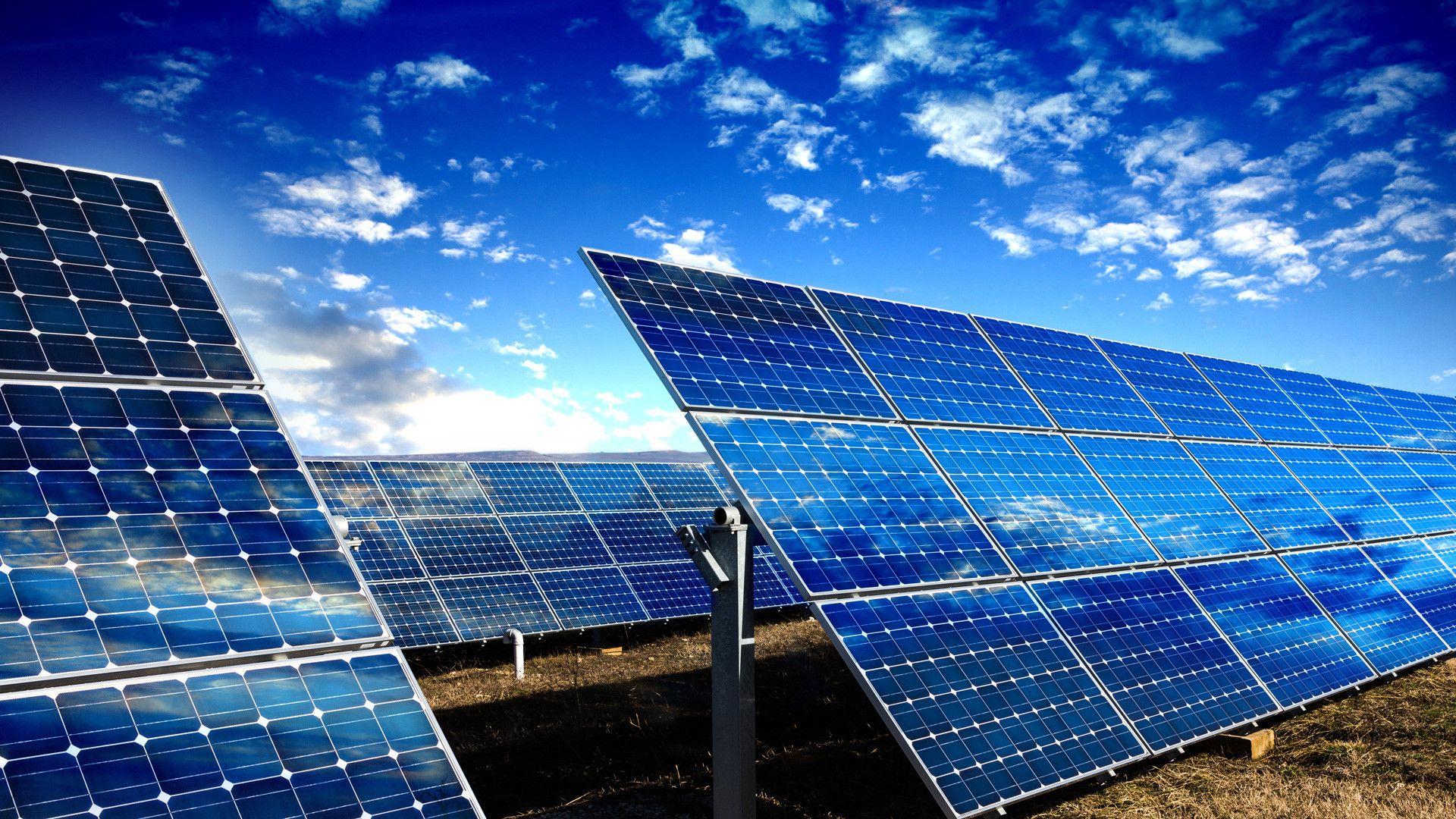
Imagine a world where the hum of a generator fades away, replaced by the quiet, reliable power of the sun. For many rural communities, this isn't just a dream; it's a rapidly approaching reality, fueled by the increasing accessibility of solar technology. The shift towards solar isn't just about cleaner energy; it's about transforming lives and livelihoods.
This transformation is particularly crucial in developing countries, where access to electricity can be a barrier to education, healthcare, and economic growth. Solar power offers a decentralized and affordable solution, bypassing the need for expensive grid extensions and empowering communities to become energy independent. Think about the small business owner who can now power their tools and extend their operating hours, or the student who can study after dark without straining their eyes by candlelight. The impact is profound and far-reaching.
Here’s a practical tip: start small. Explore readily available solar home systems. Many reputable companies offer affordable kits designed for basic lighting and phone charging. By trying one out, you can experience the benefits of solar firsthand and build confidence in the technology.
How Solar Adoption Shapes the Future of Rural Areas
Solar energy is poised to revolutionize rural communities worldwide, offering a pathway to sustainable development and improved quality of life. The benefits extend far beyond simply providing electricity; they encompass economic empowerment, environmental stewardship, and enhanced social well-being. Let’s explore the multifaceted ways in which embracing solar is reshaping the future of these areas.
Economic Empowerment Through Solar
The transition to solar power in rural areas is more than just an environmental initiative; it's a catalyst for economic growth and independence. By reducing reliance on expensive and often unreliable fossil fuels, solar energy frees up resources that can be reinvested in local businesses and infrastructure.
What are the opportunities for new businesses in the solar energy sector?
The rise of solar energy creates a ripple effect of opportunities for local entrepreneurs. From installation and maintenance services to the manufacturing of solar components and the development of energy storage solutions, there’s a wide range of possibilities. Training programs can equip residents with the skills needed to capitalize on these opportunities, fostering a sense of ownership and pride in the community's energy future. Furthermore, access to reliable power enables existing businesses to expand their operations, improve productivity, and reach new markets. For example, a farmer can use solar-powered irrigation systems to increase crop yields, while a small shopkeeper can extend their business hours and attract more customers.
How does solar power reduce operational costs for rural businesses?
Traditional energy sources, such as diesel generators, are often expensive to operate and maintain, especially in remote areas where fuel delivery can be challenging and costly. Solar power eliminates these expenses, providing a predictable and affordable source of electricity. This reduction in operational costs allows businesses to become more competitive, increase their profitability, and invest in future growth. Moreover, solar energy can enhance the resilience of rural economies by reducing their vulnerability to fluctuations in fossil fuel prices. When communities control their own energy supply, they are less susceptible to external shocks and can build a more stable and sustainable economic foundation.
Environmental Stewardship and Sustainability
Solar energy is a clean and renewable resource that can significantly reduce greenhouse gas emissions and mitigate the impacts of climate change. By embracing solar, rural communities can protect their natural resources, improve air quality, and create a healthier environment for future generations.
What are the long-term environmental benefits of switching to solar?
The long-term environmental benefits of switching to solar are substantial. Solar energy produces no air or water pollution during operation, unlike fossil fuel-based power plants. This can lead to improved air quality, reduced respiratory illnesses, and a healthier ecosystem overall. Furthermore, solar power helps to conserve natural resources, such as coal and oil, which are finite and contribute to environmental degradation when extracted and burned. By reducing their carbon footprint, rural communities can also play a role in mitigating climate change and protecting the planet for future generations. In addition, the installation of solar panels can often be integrated with other sustainable practices, such as rainwater harvesting and energy-efficient building design, creating a holistic approach to environmental stewardship.
How does solar contribute to more sustainable agricultural practices?
Solar power plays a crucial role in promoting sustainable agricultural practices. Solar-powered irrigation systems can reduce water consumption and improve crop yields, while solar-powered pumps can provide clean drinking water for livestock. Additionally, solar energy can be used to power greenhouses, allowing farmers to extend their growing seasons and produce more food locally. By reducing reliance on fossil fuels, solar energy can also help to lower the carbon footprint of agriculture, making it a more sustainable and environmentally friendly sector. In some areas, solar panels are even being integrated into agricultural landscapes, providing shade for crops and generating electricity at the same time. This innovative approach, known as agrivoltaics, maximizes land use and enhances the overall sustainability of farming operations.
Enhanced Social Well-being and Improved Quality of Life
Access to reliable electricity is essential for improving social well-being and quality of life in rural areas. Solar power can provide access to essential services, such as healthcare, education, and communication, empowering communities and creating opportunities for social advancement.
How does solar energy improve access to education and healthcare in rural areas?
Access to electricity is a fundamental requirement for delivering quality education and healthcare services. Solar power can enable schools to operate computers and other educational tools, extend learning hours, and provide a more stimulating learning environment for students. In healthcare facilities, solar energy can power essential medical equipment, refrigerate vaccines, and provide lighting for night-time emergencies. This is especially critical in remote areas where access to grid electricity is limited or unreliable. By providing access to these essential services, solar energy can improve health outcomes, enhance educational opportunities, and create a more equitable society. Furthermore, access to reliable power can attract and retain qualified teachers and healthcare professionals, strengthening the capacity of rural communities to provide these vital services.
What role does solar play in improving communication and connectivity?
In today's digital age, access to communication and connectivity is essential for social and economic participation. Solar power can enable rural communities to connect to the internet, access information, and participate in the global economy. Solar-powered charging stations can provide residents with a way to charge their mobile phones and other devices, allowing them to stay connected with family, friends, and the outside world. Furthermore, solar energy can power community centers and libraries, providing access to computers and internet services for those who cannot afford them at home. By bridging the digital divide, solar energy can empower rural communities to participate fully in the modern world and unlock new opportunities for social and economic development.
The potential for renewable energy in Africa and similar regions is immense, yet many barriers persist. One significant challenge is securing affordable solar financing for rural electrification projects. Innovative financing models, such as crowdfunding, microloans, and pay-as-you-go systems, are emerging to overcome this obstacle and make solar energy accessible to even the most remote communities. Government policies and incentives also play a crucial role in promoting solar adoption, by providing subsidies, tax breaks, and streamlined permitting processes. The development of robust regulatory frameworks and quality control standards is essential to ensure the long-term sustainability and reliability of solar energy systems. Finally, community engagement and education are vital for building trust and acceptance of solar technology, as well as for ensuring that projects are tailored to the specific needs and priorities of local residents.
The journey towards a solar-powered future for rural areas is not without its challenges, but the potential rewards are immense. With continued innovation, investment, and collaboration, we can unlock the transformative power of solar energy and create a more sustainable, equitable, and prosperous world for all. Embrace the sunlight, and let's build a brighter tomorrow, together.