

Imagine a world where farmers in even the most remote villages can drastically reduce post-harvest losses, ensuring more food makes it to market and families have greater financial security. It's a vision powered by the sun.
For farmers in developing regions, the lack of reliable refrigeration is a constant battle. Fresh produce spoils quickly in the heat, leading to significant income loss and contributing to food insecurity. Traditional cooling methods, like ice or evaporative coolers, are often inadequate or impractical. Reliable electricity is scarce, and the cost of running generators is prohibitive. Solar-powered refrigeration offers a sustainable and economically viable solution, transforming lives and livelihoods.
One immediately actionable step farmers can take is to start small by investing in insulated containers. Even without active cooling, good insulation can significantly slow down spoilage. Pair this with harvesting during the cooler parts of the day and utilizing shade whenever possible to minimize the initial temperature of the produce.
The Power of the Sun: Revolutionizing Cold Storage
Solar-powered cold storage is not just about technology; it's about empowering communities. It's about giving farmers control over their produce, reducing waste, and increasing their profits. By harnessing the free and abundant energy of the sun, we can create a more sustainable and equitable food system. This technology represents a giant leap forward, extending the shelf life of fruits, vegetables, and other perishable goods, ensuring that they reach consumers in optimal condition. Furthermore, it stimulates local economies by creating opportunities for storage businesses and maintenance services related to renewable energy in Africa and other developing regions.
Why is Cold Storage So Important for Smallholder Farmers?
Smallholder farmers often face a perfect storm of challenges. They lack access to reliable markets, transportation, and, most critically, cold storage. This results in significant post-harvest losses, sometimes as high as 50% or more. Imagine cultivating a bountiful harvest only to watch a significant portion rot before it can be sold. Cold storage bridges this gap, providing a crucial link in the supply chain. By preserving the quality and extending the shelf life of their produce, farmers can negotiate better prices, access wider markets, and ultimately increase their income.
What are the Key Components of a Solar-Powered Cold Storage System?
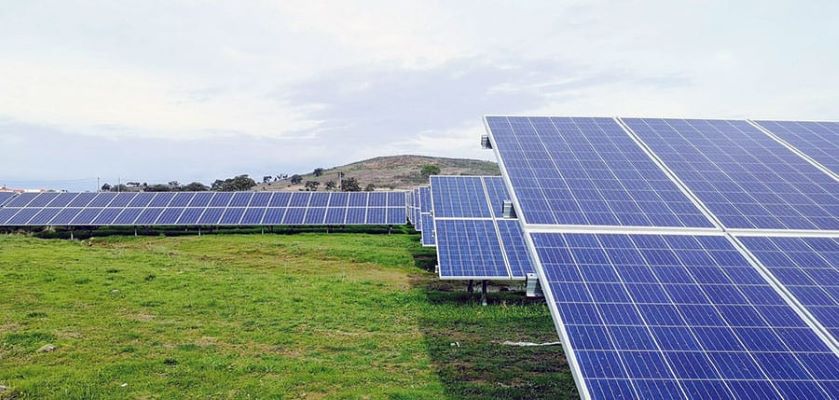
The heart of the system is, of course, the solar panels. These panels convert sunlight into electricity, which is then used to power a refrigeration unit. A battery bank stores excess energy, ensuring that the cold storage unit can operate even when the sun isn't shining. A charge controller regulates the flow of electricity between the solar panels, battery bank, and refrigeration unit, protecting the batteries from overcharging and extending their lifespan. The refrigeration unit itself is designed to be energy-efficient and reliable, capable of maintaining a consistent temperature inside the cold storage chamber.
What Makes Solar Energy Affordable in Rural Areas?
The decreasing cost of solar panels has made solar energy increasingly accessible to rural communities. While the initial investment may seem significant, the long-term benefits far outweigh the costs. Solar energy eliminates the need for expensive grid connections or reliance on costly fossil fuels. Moreover, various financing options, such as microloans and government subsidies, are becoming available to help farmers invest in solar-powered cold storage. The key lies in accessing the available rural electrification programs and partnering with reputable solar providers who understand the specific needs of agricultural communities.
Benefits Beyond the Farm: A Ripple Effect of Change
The impact of solar-powered cold storage extends far beyond the farm gate. It creates a ripple effect of positive change, benefiting entire communities and contributing to sustainable development.
Reducing Food Waste and Improving Food Security
Food waste is a global problem with significant environmental and economic consequences. Solar-powered cold storage plays a vital role in reducing food waste by preserving the quality of perishable goods and extending their shelf life. This ensures that more food makes it to market, increasing food availability and improving food security, particularly in regions where malnutrition is prevalent.
Empowering Women in Agriculture
Women play a crucial role in agriculture in developing countries, yet they often face significant barriers to accessing resources and opportunities. Solar-powered cold storage can empower women by giving them greater control over their produce and increasing their income. By reducing post-harvest losses and enabling them to access wider markets, women can become more economically independent and contribute to the well-being of their families and communities.
Creating Economic Opportunities and Stimulating Local Economies
The installation and maintenance of solar-powered cold storage systems create new economic opportunities in rural areas. Local entrepreneurs can start businesses providing installation, maintenance, and repair services. This not only generates income but also builds local capacity and expertise in renewable energy technologies. Furthermore, the availability of reliable cold storage can attract new businesses and investment to rural areas, stimulating local economies and creating jobs.
Overcoming Challenges and Ensuring Sustainability
While solar-powered cold storage offers tremendous potential, there are also challenges that need to be addressed to ensure its widespread adoption and long-term sustainability.
Access to Financing and Technical Expertise
The initial cost of investing in solar-powered cold storage can be a barrier for many smallholder farmers. Access to affordable financing options, such as microloans and government subsidies, is crucial. Furthermore, farmers need access to technical expertise to ensure that the systems are properly installed, maintained, and operated. Training programs and technical support services can help build local capacity and ensure the long-term sustainability of these systems.
Ensuring System Reliability and Durability
Solar-powered cold storage systems must be reliable and durable to withstand the harsh environmental conditions often found in rural areas. It is essential to use high-quality components and to ensure that the systems are properly designed and installed. Regular maintenance and monitoring are also crucial to prevent breakdowns and ensure optimal performance. Selecting a provider with a proven track record in off-grid solar solutions and comprehensive warranties is vital.
Building Community Ownership and Participation
For solar-powered cold storage initiatives to be successful, it is essential to build community ownership and participation. Involving farmers in the planning, design, and implementation of these projects ensures that their needs are met and that they are invested in the long-term success of the systems. Community-based management models can also help ensure that the systems are properly maintained and operated, and that the benefits are shared equitably.
Looking Ahead: The Future of Cooling in Developing Regions
The future of cooling in developing regions is undoubtedly solar-powered. As the cost of solar technology continues to decline and awareness of its benefits grows, we can expect to see widespread adoption of solar-powered cold storage solutions.
The Role of Microgrids and Energy Storage
Microgrids, which are localized energy grids that can operate independently of the main grid, are playing an increasingly important role in rural electrification. They can provide a reliable source of electricity for solar-powered cold storage systems, ensuring that they can operate even in areas with limited or no access to the main grid. Advancements in energy storage technologies, such as batteries, are also making it possible to store excess solar energy for use during periods of low sunlight, further enhancing the reliability and efficiency of these systems.
Integrating Cold Storage with Other Agricultural Technologies
Solar-powered cold storage can be integrated with other agricultural technologies to create more sustainable and efficient farming systems. For example, solar-powered irrigation systems can provide water for crops, while solar-powered dryers can be used to preserve fruits and vegetables. By combining these technologies, farmers can reduce their reliance on fossil fuels, increase their productivity, and improve their livelihoods.
Scaling Up Solar-Powered Cold Storage Initiatives
To realize the full potential of solar-powered cold storage, it is essential to scale up existing initiatives and to promote the adoption of these technologies on a wider scale. This requires collaboration between governments, NGOs, private sector companies, and community organizations. By working together, we can create a supportive ecosystem that enables farmers to access the financing, technical expertise, and market opportunities they need to succeed.
The sun offers more than just light and warmth; it provides a path towards a more resilient and prosperous future for farmers across the developing world. By embracing innovations like solar-powered refrigeration, we're not just preserving food; we're cultivating hope and opportunity.