

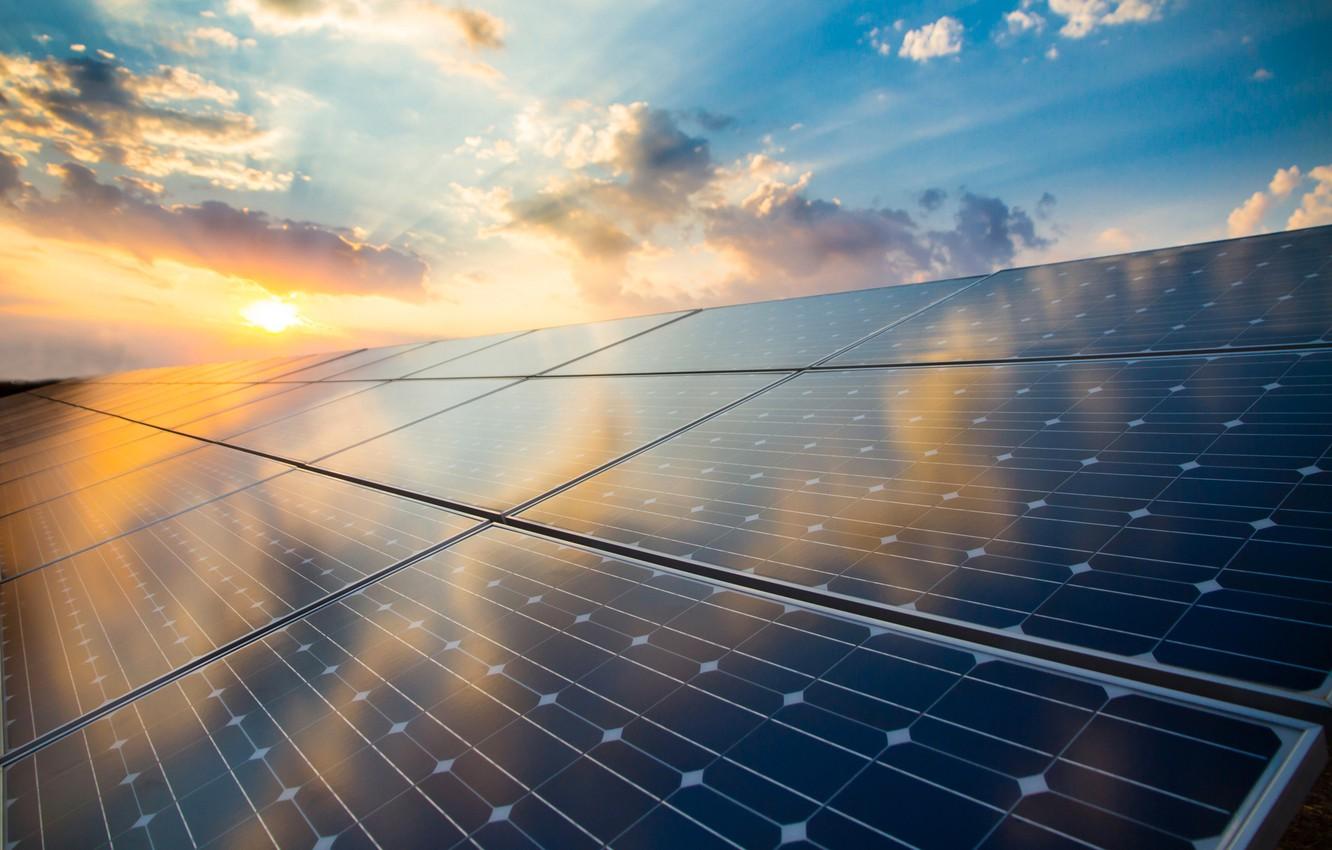
Imagine a world where access to clean, affordable energy isn't a privilege, but a right. It's a world where families can power their homes, students can study after dark, and businesses can thrive, regardless of their location or income. While it might sound idealistic, this vision is becoming increasingly attainable thanks to the transformative power of solar energy.
The pursuit of energy equity is particularly crucial in developing nations, where a lack of reliable electricity perpetuates cycles of poverty. When communities are cut off from the power grid, opportunities for education, healthcare, and economic growth are severely limited. Addressing energy poverty is not just about providing light; it's about empowering individuals and communities to build brighter futures. A single solar panel can literally change a family’s trajectory.
One practical step you can take to support this shift is to consciously choose companies and initiatives that prioritize social impact within the solar energy sector. Research organizations that provide affordable solar solutions to underserved communities, or invest in companies that champion ethical and sustainable practices. Every conscious choice sends a signal and drives positive change.
Solar Energy’s Role in Reducing Inequality
The disparity in access to reliable and affordable energy is a significant driver of global inequality. For many, electricity is not just a convenience; it's a lifeline. Solar energy offers a powerful pathway to bridge this gap, democratizing access to power and fostering a more equitable world. Let's explore how solar is helping to level the playing field.
Democratizing Energy Access Through Solar Power
Solar energy is uniquely positioned to address energy inequality because it can be deployed in a decentralized manner. Unlike traditional fossil fuel-based power plants that require extensive infrastructure and centralized distribution networks, solar installations can be scaled to meet the needs of individual households, small businesses, or entire communities. This flexibility makes solar a particularly attractive option for rural and remote areas that are often excluded from grid access.
What makes solar energy affordable in rural areas?
Several factors contribute to the increasing affordability of solar energy in rural areas. The cost of solar panels has plummeted over the past decade, making them more accessible to low-income households. Innovative financing models, such as pay-as-you-go systems and microloans, further reduce the upfront investment required, allowing families to access solar power without incurring a significant financial burden. Furthermore, many governments and NGOs offer subsidies and incentives to promote the adoption of solar energy in underserved communities, further driving down costs. Community bulk purchasing can be a great option too, allowing a village to buy in bulk and save money.
How do off-grid solar systems work?
Off-grid solar systems provide a completely independent source of electricity, ideal for locations without grid access. These systems typically consist of solar panels, which convert sunlight into electricity; a battery bank, which stores the electricity for later use; and an inverter, which converts the direct current (DC) electricity from the batteries into alternating current (AC) electricity, which can power standard appliances. Charge controllers are also critical, ensuring that the batteries are charged efficiently and protected from overcharging or discharging. Off-grid systems can range from small, portable units for powering a single light bulb to larger installations that can meet the energy needs of an entire home or business.
Empowering Communities and Driving Economic Growth
Beyond providing basic electricity, solar energy can unlock significant economic opportunities for communities. Access to reliable power enables small businesses to extend their operating hours, increase productivity, and expand their services. It also facilitates the adoption of modern technologies in agriculture, healthcare, and education, leading to improved outcomes in these crucial sectors.
How does solar energy support small businesses in developing countries?
Imagine a small tailoring business in a rural village. Before solar, the business owner could only work during daylight hours, limiting their income potential. With a small solar panel and battery system, they can now power their sewing machine and lights, allowing them to work in the evening and fulfill more orders. This increased income can be reinvested in the business, creating a virtuous cycle of growth. Solar energy also enables businesses to access the internet, connect with customers, and participate in the global economy.
What role do microgrids play in rural electrification?
Microgrids are localized energy grids that can operate independently or in conjunction with the main power grid. They are a particularly effective solution for rural electrification because they can be tailored to the specific energy needs of a community and powered by renewable energy sources, such as solar. Microgrids can provide a more reliable and affordable source of electricity than extending the main grid to remote areas, and they can also create local jobs in the installation, maintenance, and operation of the system. Crucially, they allow communities to have greater control over their energy supply.
Enhancing Education and Healthcare Outcomes
The benefits of solar energy extend far beyond economic growth. Access to electricity is essential for improving education and healthcare outcomes, particularly in underserved communities. Solar-powered lighting allows students to study after dark, improving their academic performance and increasing their chances of success. In healthcare facilities, solar energy can power essential medical equipment, refrigerate vaccines, and provide reliable lighting for consultations and treatments, ultimately saving lives.
How does solar energy improve education access?
In many parts of the world, students are forced to study by candlelight or kerosene lamps, which are not only inadequate but also pose health and safety risks. Solar-powered lights provide a clean, bright, and safe alternative, allowing students to study for longer hours and improve their concentration. Access to electricity also enables schools to use computers and other educational technologies, enhancing the learning experience and preparing students for the demands of the 21st century. Furthermore, access to education is a key driver for breaking the cycle of poverty.
What are the healthcare benefits of solar energy?
Reliable electricity is critical for delivering quality healthcare services. Solar energy can power refrigerators for storing vaccines and medications, ensuring that they remain effective and accessible. It can also power medical equipment, such as diagnostic tools and monitoring devices, enabling healthcare providers to deliver timely and accurate care. In remote areas, solar-powered lighting allows for safe childbirth and other medical procedures to be performed at night. By providing access to reliable electricity, solar energy can significantly improve healthcare outcomes and save lives, especially for those in need.
Solar Financing and Policy Support
The widespread adoption of solar energy requires innovative financing mechanisms and supportive government policies. Overcoming the initial cost barrier is crucial for making solar accessible to low-income households and communities. Governments can play a vital role by providing subsidies, tax incentives, and loan guarantees to promote solar adoption.
What are some effective solar financing models?
Pay-as-you-go (PAYG) solar systems are a popular financing model that allows customers to pay for electricity in small installments, typically using mobile money. This model eliminates the need for a large upfront investment and makes solar accessible to low-income households. Microfinance institutions also play a crucial role by providing loans to individuals and small businesses for solar installations. Community-based financing models, where communities pool their resources to invest in solar projects, are also gaining traction. Another model that is increasing in popularity is Solar Power Purchase Agreements (SPPAs). These enable a homeowner to have panels installed without having to pay for them; instead, they pay the installer for the power they use at a pre-determined rate, usually lower than traditional utility costs.
How can governments support solar energy adoption?
Governments can support solar energy adoption through a variety of policies, including feed-in tariffs, which guarantee a fixed price for electricity generated from solar systems; net metering, which allows customers to sell excess electricity back to the grid; and tax credits and rebates, which reduce the cost of solar installations. Governments can also invest in research and development to improve solar technologies and reduce their cost. Furthermore, streamlined permitting processes and clear regulatory frameworks can encourage private investment in solar energy projects. Investment in grid modernization is also essential to allow for the effective integration of distributed solar power generation.
Overcoming Challenges and Ensuring Sustainability
While solar energy offers tremendous potential for reducing inequality, it is important to address potential challenges and ensure the sustainability of solar projects. Proper maintenance and disposal of solar panels are crucial for minimizing environmental impact.
What are the environmental considerations of solar energy?
The environmental impact of solar energy is significantly lower than that of fossil fuels. However, it is important to consider the lifecycle impacts of solar panels, including the energy used in their manufacturing, the materials used in their construction, and the disposal of panels at the end of their lifespan. Recycling programs for solar panels are becoming increasingly important to recover valuable materials and prevent environmental contamination. Responsible sourcing of materials and sustainable manufacturing practices are also essential for minimizing the environmental footprint of the solar industry.
How can we ensure the long-term sustainability of solar projects?
Long-term sustainability requires ongoing maintenance and monitoring of solar systems. Regular cleaning of solar panels is essential to maintain their efficiency, and periodic inspections can identify and address any potential issues. Training local technicians to maintain and repair solar systems is crucial for ensuring their long-term viability. Community ownership and participation in solar projects can also foster a sense of responsibility and ensure that the benefits of solar energy are sustained over time. Creating circular economy initiatives that emphasize reuse, repair, and recycling of solar panels is also essential.
The journey toward a more equitable energy future is within our reach. By harnessing the power of the sun, we can empower communities, drive economic growth, and improve the lives of millions. While challenges undoubtedly remain, the progress made in recent years is a testament to the transformative potential of renewable energy. Embrace the opportunity to be part of this positive change, supporting initiatives that bring clean, affordable energy to those who need it most. Together, we can shine a light on a brighter, more equitable future for all.