

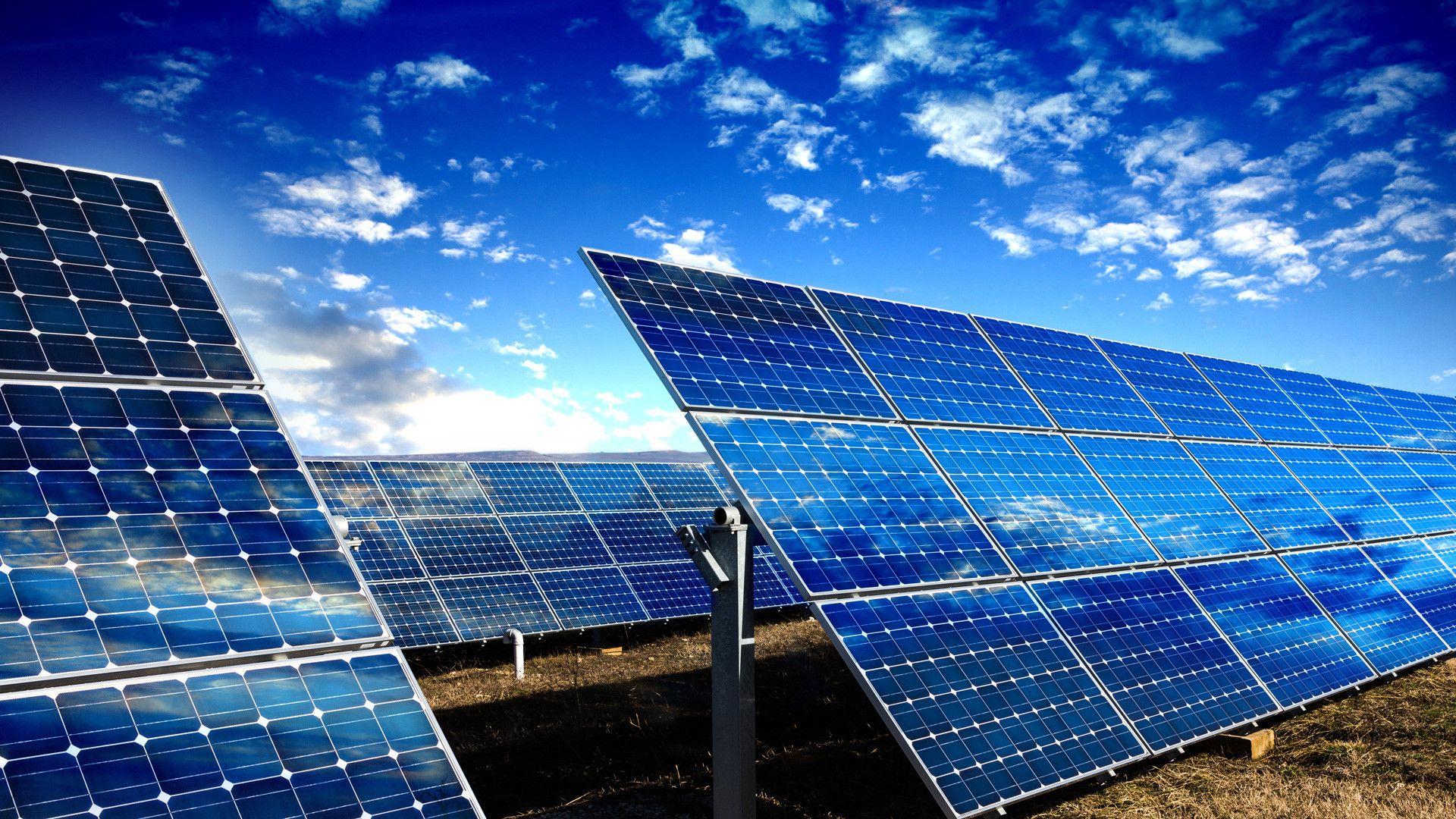
Imagine a world where displacement doesn't mean darkness. What if refugee camps could become beacons of sustainability, offering not just shelter but a pathway to a brighter future powered by clean, reliable energy? That vision is becoming a reality, and it’s more crucial than ever.
For many readers in developing nations, the challenges of energy access are all too familiar. Now, consider those challenges compounded by displacement, by the loss of home and stability. The need for sustainable, affordable energy solutions in refugee camps isn't just an environmental issue; it's a humanitarian imperative. It's about providing basic necessities like lighting for safety, power for cooking and healthcare, and the ability to connect with the outside world.
One practical step individuals and organizations can take is to support initiatives that train refugees in solar panel installation and maintenance. This creates local jobs, empowers communities, and ensures the long-term sustainability of solar energy projects. Knowledge transfer is key to lasting impact.
Powering Hope: How Solar Changes the Game in Refugee Camps
The reliance on traditional fuels like firewood in refugee camps leads to deforestation, health problems from smoke inhalation, and increased risk of violence, especially for women and girls venturing out to collect fuel. Solar energy provides a clean, safe alternative that addresses these critical issues. It offers a pathway to a more dignified and sustainable life for displaced populations. Implementing renewable energy solutions like off-grid solar systems can transform refugee camps from places of hardship to incubators of resilience and innovation.
Benefits of Solar Power in Refugee Settlements
Solar isn't just about flipping a switch; it's about unlocking potential. From education to healthcare, the ripple effects of reliable electricity are profound.
Improved Safety and Security
Darkness breeds vulnerability. Solar-powered lighting illuminates pathways and communal areas, reducing the risk of crime and gender-based violence. This simple intervention can dramatically improve the sense of safety and security within a camp, allowing residents to move more freely and confidently, especially at night.
Enhanced Education and Economic Opportunities
Imagine children able to study after sunset, or small businesses powered by solar, creating income and fostering self-reliance. Access to electricity opens up a world of opportunities for education and economic development within refugee communities. Solar-powered internet access can also connect refugees with online resources, training programs, and potential employers. This integration of technology empowers individuals to rebuild their lives and contribute to their communities.
Better Healthcare
Reliable electricity is crucial for powering medical equipment, refrigerating vaccines, and ensuring proper lighting in health clinics. Solar energy ensures that healthcare professionals can provide essential services, even in remote or resource-constrained environments, saving lives and improving health outcomes. Telemedicine, powered by solar, can also connect refugees with specialists and healthcare providers located far beyond the camp boundaries.
Environmental Sustainability
Switching from firewood to solar reduces deforestation and greenhouse gas emissions, protecting the environment and mitigating climate change. This is particularly important in regions already vulnerable to environmental degradation. Embracing sustainable energy solutions contributes to a healthier planet for everyone. It reduces the burden on local ecosystems and promotes a more responsible approach to resource management.
Overcoming Challenges in Solar Implementation
While the benefits are clear, implementing solar energy projects in refugee camps presents unique challenges. However, with careful planning and innovative approaches, these obstacles can be overcome.
Financing and Funding Models
Securing adequate funding is often a major hurdle. Innovative financing models, such as social impact bonds and crowdfunding, can help attract investment in these projects. Collaborations between governments, NGOs, and private sector companies are also essential for pooling resources and expertise. Creative solutions like pay-as-you-go solar systems can make energy more accessible to refugees who may not have the upfront capital to invest in their own systems.
Logistical and Infrastructure Constraints
Refugee camps are often located in remote areas with limited infrastructure. Transporting equipment and building the necessary infrastructure can be difficult and costly. Pre-fabricated solar kits and containerized solar systems can simplify the installation process and reduce the need for specialized equipment. Investing in local workforce training also helps to build the capacity needed to maintain and repair the systems over the long term.
Community Engagement and Ownership
For solar projects to be successful, it's crucial to involve the refugee community in the planning and implementation process. This ensures that the projects meet their specific needs and priorities. Providing training and employment opportunities for refugees also fosters a sense of ownership and responsibility, increasing the likelihood of long-term sustainability. Community-led initiatives can also help to overcome cultural barriers and ensure that the technology is used effectively.
Case Studies: Success Stories from the Field
Across the globe, inspiring examples demonstrate the transformative power of solar energy in refugee camps.
Azraq Refugee Camp, Jordan
This camp utilizes a large-scale solar plant to provide electricity to thousands of refugees, reducing reliance on expensive diesel generators and significantly lowering carbon emissions. The project has not only improved the quality of life for residents but has also created jobs and training opportunities for the local community. It serves as a model for sustainable energy solutions in humanitarian settings.
Kakuma Refugee Camp, Kenya
Here, solar-powered streetlights have dramatically improved safety and security, while solar home systems provide electricity for lighting, phone charging, and small businesses. The initiative has empowered refugees to become more self-reliant and has fostered a sense of community and hope. It demonstrates the potential for off-grid solar solutions to transform lives in even the most challenging environments.
Cox's Bazar, Bangladesh
In this region hosting a large Rohingya refugee population, solar microgrids are providing electricity to schools, health clinics, and community centers, improving access to essential services and fostering resilience. The project showcases the scalability of solar solutions and their ability to meet the growing energy needs of refugee communities.
People Also Ask: Key Questions About Solar in Refugee Settings
These common questions reflect the practical concerns and curiosities surrounding this important topic.
What makes solar energy affordable in rural areas?
Several factors contribute to the affordability of solar energy, particularly in rural settings. Decreasing costs of solar panels, coupled with innovative financing options like microloans and pay-as-you-go models, make solar more accessible. Additionally, the abundance of sunlight in many rural areas maximizes energy production, further reducing costs. Off-grid solar solutions eliminate the need for expensive grid infrastructure, making them a cost-effective alternative to traditional energy sources. Finally, local manufacturing and assembly of solar components can create jobs and further reduce costs.
How can solar power improve education in refugee camps?
Solar energy transforms education in refugee camps by providing reliable electricity for lighting, computers, and internet access. This allows students to study after sunset, access online resources, and participate in virtual learning programs. Solar-powered charging stations ensure that students and teachers can keep their devices powered, even in areas without reliable electricity. Additionally, solar energy can power school infrastructure, such as water pumps and sanitation facilities, creating a healthier and more conducive learning environment.
What role can refugees play in solar energy projects?
Refugees can be actively involved in all stages of solar energy projects, from planning and installation to maintenance and operation. Providing training and employment opportunities for refugees not only empowers them economically but also ensures the long-term sustainability of the projects. Refugees can serve as solar technicians, installers, and trainers, building local capacity and fostering a sense of ownership and responsibility. Their involvement ensures that the projects meet the specific needs of the community and that the technology is used effectively.
How does solar energy contribute to gender equality in refugee camps?
Access to solar energy can significantly contribute to gender equality in refugee camps. Solar-powered lighting improves safety and security, particularly for women and girls, reducing the risk of gender-based violence. Access to electricity also enables women to start small businesses, generate income, and become more economically independent. Solar energy can also power educational and training programs that empower women with new skills and opportunities. By reducing the burden of collecting firewood, solar energy frees up women's time for education, income-generating activities, and community involvement.
The transition to renewable energy in these vulnerable settings is not just a technical challenge, but a deeply human one. It requires collaboration, innovation, and a unwavering commitment to empowering displaced communities. It's a chance to not only provide essential services, but to foster resilience, opportunity, and hope. While challenges remain, the progress made so far demonstrates the immense potential of solar to transform lives. Let’s continue to shine a light on these efforts and work towards a future where energy poverty is no longer a barrier to human dignity.