

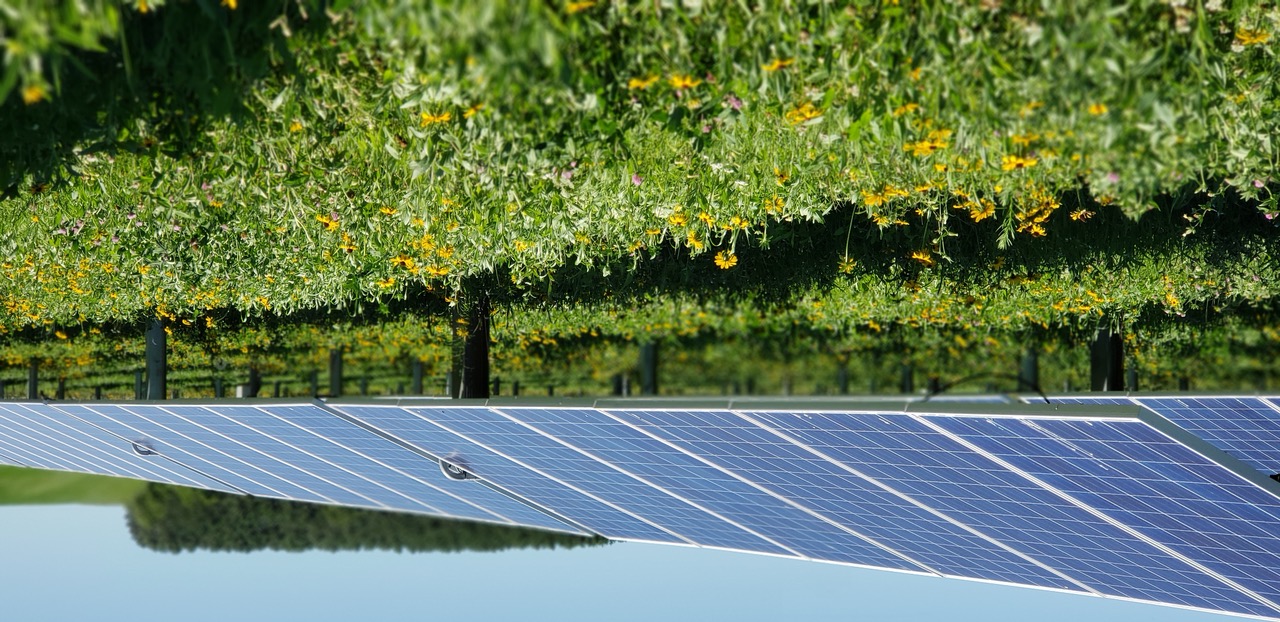
Imagine a village where the setting sun doesn't plunge homes into darkness, where children can study after dusk, and where businesses can thrive beyond daylight hours. This isn't a utopian dream; it's a tangible possibility powered by the sun and unlocked through innovative financing.
For many in developing nations, access to electricity remains a distant aspiration. Grid infrastructure is often unreliable or nonexistent, leaving communities dependent on expensive and polluting alternatives like kerosene lamps and diesel generators. But what if the barrier to clean, reliable energy wasn't technological, but financial? That’s where accessible solar financing comes into play, empowering individuals and communities to harness the sun’s energy and transform their futures.
Think of it like this: instead of a single, large upfront cost for a solar system, imagine smaller, manageable payments spread over time. This approach, often facilitated through microfinance institutions, makes solar energy accessible to households and small businesses that would otherwise be excluded.
Illuminating Futures: How Solar Microfinance Bridges the Gap
Solar microfinance provides a crucial pathway to rural development by addressing the financial hurdles that prevent widespread adoption of solar technology. It’s a strategy that combines the power of renewable energy with the principles of micro lending, creating a sustainable and impactful solution.
This approach typically involves microfinance institutions (MFIs) offering small loans specifically designed for the purchase of solar home systems, solar water pumps, or other solar-powered appliances. These loans are tailored to the needs and repayment capacities of low-income individuals and communities.
What are the key benefits of microfinancing solar energy?
Beyond simply providing electricity, solar microfinance unlocks a cascade of positive effects. It reduces reliance on fossil fuels, mitigating indoor air pollution and improving public health. It empowers women, who often bear the brunt of energy poverty and can become entrepreneurs through solar-powered businesses. And it stimulates local economies by creating jobs in installation, maintenance, and sales of solar equipment. These benefits together create a powerful engine for sustainable development.
How does solar microfinance differ from traditional financing models?
Traditional financing models often require collateral, credit history, and large down payments – requirements that are difficult, if not impossible, for many rural households to meet. Solar microfinance, on the other hand, is designed to be more accessible and inclusive. It often involves group lending, where borrowers are jointly liable for each other's loans, fostering a sense of community responsibility and improving repayment rates. It also incorporates flexible repayment schedules that align with borrowers' income streams, such as agricultural cycles or seasonal businesses.
What role do governments and NGOs play in promoting solar microfinance?
Governments and NGOs play a critical role in creating an enabling environment for solar microfinance. They can provide subsidies and incentives to make solar technology more affordable, offer technical assistance and training to local entrepreneurs, and develop policies that support the growth of the solar industry. They can also partner with MFIs to provide loan guarantees and risk mitigation mechanisms, encouraging them to lend to underserved communities. By working together, governments, NGOs, and MFIs can create a powerful ecosystem that drives the expansion of solar microfinance and accelerates rural electrification.
The Ripple Effect: Impacts on Communities and Economies
The impact of solar microfinance extends far beyond individual households. It creates a ripple effect that transforms communities and stimulates economic growth. Access to reliable electricity enables businesses to operate longer hours, increases productivity, and creates new opportunities for income generation. Children can study at night, improving their educational outcomes and future prospects. Healthcare facilities can provide better services, reducing mortality rates and improving public health.
Consider a small tailoring business in a rural village. Before solar microfinance, the tailor could only work during daylight hours, limiting her income and potential for growth. With a solar-powered sewing machine and lighting system, she can now work evenings, increasing her output and earning a higher income. This allows her to invest in her business, hire employees, and contribute to the local economy.
Examples of successful solar microfinance initiatives around the world
Across the globe, successful solar microfinance initiatives are demonstrating the transformative potential of this approach. In Bangladesh, Grameen Shakti has provided solar home systems to millions of households, creating a thriving solar industry and empowering rural communities. In Kenya, M-KOPA Solar has pioneered a pay-as-you-go model that makes solar energy affordable and accessible to even the poorest households. And in India, SELCO India has focused on providing customized solar solutions to meet the specific needs of different communities and businesses. These examples highlight the diverse and innovative approaches that are being used to expand access to solar energy through microfinance.
The environmental benefits of solar microfinance
Beyond the social and economic benefits, solar microfinance also offers significant environmental advantages. By replacing fossil fuels with clean, renewable energy, it reduces greenhouse gas emissions and mitigates climate change. It also reduces air pollution, improving public health and protecting the environment. And it promotes sustainable development by conserving natural resources and reducing reliance on finite energy sources.
Overcoming Challenges and Scaling Up Success
While solar microfinance holds immense promise, it also faces challenges that need to be addressed to ensure its long-term success and scalability.
What are the main challenges facing solar microfinance?
One of the main challenges is the high upfront cost of solar technology, which can still be a barrier for some low-income households. Other challenges include the lack of awareness about solar energy, the limited availability of financing, and the need for ongoing maintenance and support. Furthermore, fluctuating currency exchange rates in some regions can impact affordability and investment returns.
How can these challenges be addressed?
Addressing these challenges requires a multi-faceted approach. Governments can provide subsidies and incentives to reduce the cost of solar technology, while MFIs can offer innovative financing products that are tailored to the needs of low-income borrowers. Educational campaigns can raise awareness about the benefits of solar energy, and technical training programs can build local capacity for installation and maintenance.
What are the key strategies for scaling up solar microfinance?
Scaling up solar microfinance requires a concerted effort from all stakeholders. Governments can create supportive policies and regulations, MFIs can expand their lending operations and develop partnerships with solar companies, and NGOs can provide technical assistance and support to local communities. Investing in research and development to improve the efficiency and affordability of solar technology is also crucial. By working together, we can unlock the full potential of solar microfinance and bring clean, reliable energy to millions more people around the world.
Ensuring Sustainability and Long-Term Impact
The long-term success of solar microfinance depends on ensuring its sustainability and impact. This requires a focus on building local capacity, promoting responsible lending practices, and monitoring and evaluating the impact of solar projects.
The importance of building local capacity and skills
Building local capacity is essential for ensuring the long-term sustainability of solar microfinance. This involves training local entrepreneurs to install, maintain, and repair solar equipment, as well as providing business development support to help them grow their businesses. By empowering local communities to manage their own solar energy systems, we can create a more resilient and sustainable energy future.
Implementing responsible lending practices
Responsible lending practices are crucial for protecting borrowers from over-indebtedness and ensuring the long-term viability of MFIs. This involves conducting thorough credit assessments, providing clear and transparent loan terms, and offering financial literacy training to borrowers. It also involves monitoring repayment rates and providing support to borrowers who are struggling to repay their loans.
Monitoring and evaluating the impact of solar projects
Monitoring and evaluating the impact of solar projects is essential for understanding their effectiveness and identifying areas for improvement. This involves collecting data on energy consumption, income generation, and social and environmental impacts. The data can then be used to inform policy decisions, improve program design, and demonstrate the value of solar microfinance to investors and donors.
The widespread adoption of accessible solar financing is more than just providing electricity; it’s about creating opportunities, empowering communities, and building a brighter future. It’s a testament to the power of innovation, collaboration, and a shared commitment to sustainable development. With continued effort and investment, we can harness the sun's energy to light up the lives of millions and unlock their full potential. The journey towards universal energy access, fueled by the sun and facilitated by smart financing, is a journey worth undertaking, step by sustainable step.