

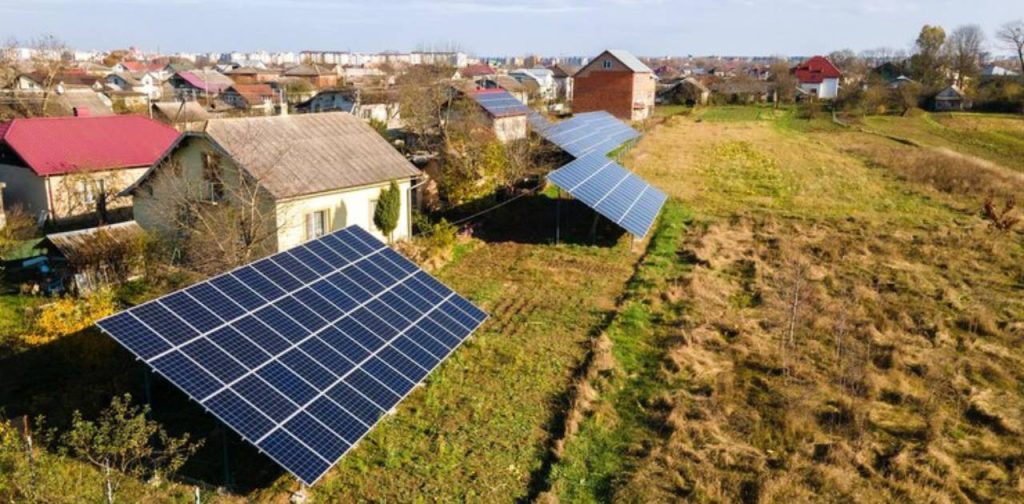
Imagine a village bathed in the warm glow of electric lights for the first time, children studying after sunset, and small businesses thriving with newfound energy. It's not just a dream; it's the potential unlocked when we prioritize building resilient solar infrastructure in rural communities.
For many developing nations, access to reliable and affordable energy remains a significant barrier to progress. Traditional grid infrastructure is often too expensive and difficult to extend to remote villages. Solar power offers a clean, sustainable, and increasingly cost-effective alternative. By focusing on decentralized solar solutions, we can empower communities, stimulate economic growth, improve healthcare, and enhance educational opportunities, all while minimizing environmental impact.
Here's a practical tip: begin with a thorough needs assessment. Don’t just assume what a village needs; actively listen to the community, understand their energy demands (lighting, cooking, irrigation, etc.), and tailor the solar installation to their specific requirements.
Powering Progress: How to Build Sustainable Solar Infrastructure in Villages
Building lasting solar infrastructure in villages requires more than just installing panels. It's about creating a holistic system that considers the technical, economic, social, and environmental aspects of rural electrification. It's about empowering communities to own their energy future.
Assessing the Community’s Needs
Before you even think about solar panels, batteries, and inverters, you need to deeply understand the community you're serving. What are their current energy sources (if any)? What are their energy needs, both present and future? How will access to reliable electricity impact their daily lives? This understanding forms the foundation of a successful and sustainable solar project.
What kind of data should be collected during a needs assessment?
A comprehensive needs assessment should gather both quantitative and qualitative data. Quantitatively, you'll want to know the number of households, existing electricity consumption (if any), potential demand for electricity across various sectors (residential, commercial, agricultural), and the community's ability to contribute financially to the project. Qualitatively, it’s crucial to understand the community's priorities, concerns, and willingness to participate in the project's management and maintenance. Conduct surveys, focus group discussions, and individual interviews to gain a holistic view.
How do you ensure community participation in the needs assessment process?
Transparency and inclusivity are key. Hold community meetings to explain the purpose of the project, the benefits of solar energy, and the assessment process. Actively solicit input from all segments of the community, including women, marginalized groups, and traditional leaders. Make sure the assessment team includes members who are fluent in the local language and familiar with the local culture. Consider employing local residents as data collectors, providing them with valuable skills and employment opportunities.
Selecting the Right Technology
The technology you choose will significantly impact the long-term sustainability of the solar installation. Considerations include the local climate, energy demand patterns, available resources, and technical expertise within the community. Off-grid solar systems, microgrids, and solar home systems are all viable options, each with its own advantages and disadvantages.
What are the pros and cons of different solar technologies for rural areas?
Solar Home Systems (SHSs): These are small, individual systems typically consisting of one or two solar panels, a battery, and a charge controller. They’re ideal for households with low energy needs (lighting, phone charging, small appliances). SHSs are relatively inexpensive and easy to install, but they offer limited power capacity and require individual maintenance.
Microgrids: These are localized grids that connect multiple solar arrays, energy storage systems, and electricity consumers within a defined area. Microgrids can provide reliable power to a larger number of households and businesses, supporting more energy-intensive activities like irrigation, refrigeration, and light manufacturing. They require more sophisticated design, installation, and management compared to SHSs.
Off-Grid Solar Systems: These systems are larger than SHSs but don't necessarily form a dedicated microgrid. They can power community facilities like schools, health clinics, and water pumps.
The best choice depends on the specific needs and circumstances of the village. Consider scalability, maintenance requirements, and the potential for future expansion when making your decision.
How important is energy storage in off-grid solar installations?
Energy storage is critical for ensuring a reliable and continuous power supply, especially in areas with intermittent sunlight. Batteries allow you to store excess energy generated during the day and use it at night or during cloudy periods. The type and size of the battery bank will depend on the energy demand profile, the size of the solar array, and the desired level of autonomy. Lithium-ion batteries are becoming increasingly popular due to their higher energy density, longer lifespan, and improved performance compared to traditional lead-acid batteries. However, they are also more expensive. Proper battery management is essential to maximize battery life and prevent premature failure.
Securing Sustainable Financing
Financing is often a major hurdle in building sustainable solar infrastructure in villages. Traditional financing models may not be suitable for rural communities with limited access to credit and irregular income streams. Innovative financing mechanisms, such as microfinance, pay-as-you-go (PAYGo) systems, and community-owned cooperatives, can help overcome these barriers.
What are some effective financing models for rural solar projects?
Microfinance: Provides small loans to individuals or groups to purchase solar systems. This model empowers communities to own their energy infrastructure and fosters a sense of responsibility.
Pay-As-You-Go (PAYGo): Allows users to pay for electricity usage on a daily, weekly, or monthly basis using mobile money or other digital payment platforms. This model reduces the upfront cost of solar systems, making them more accessible to low-income households.
Community-Owned Cooperatives: Enables communities to pool their resources and collectively invest in a solar project. This model promotes local ownership, control, and benefit-sharing.
Crowdfunding: An increasingly popular method for raising capital for community-based solar initiatives.
A blended finance approach, combining grants, concessional loans, and private investment, can also be effective in mobilizing the necessary capital.
How can local communities contribute to the financial sustainability of solar projects?
Communities can contribute financially through various means, including upfront payments, monthly tariffs, in-kind contributions (e.g., labor for installation and maintenance), and revenue-generating activities (e.g., using solar power to operate small businesses). Establishing a transparent and accountable tariff collection system is crucial for ensuring the long-term financial viability of the project. A portion of the revenue should be allocated to a maintenance fund to cover the costs of repairs and replacements. Educating the community about the importance of paying their bills on time is also essential.
Building Local Capacity and Ownership
Long-term sustainability depends on building local capacity and fostering a sense of ownership within the community. This involves training local technicians to install, maintain, and repair the solar systems, as well as empowering community members to manage and operate the project.
Why is local training so vital for the success of a solar project?
Training local technicians ensures that the community has the skills and knowledge to maintain and repair the solar systems independently. This reduces reliance on external experts and minimizes downtime. Training programs should cover all aspects of solar system installation, maintenance, troubleshooting, and repair. They should also include training on basic business management skills to enable local technicians to operate their own solar businesses.
How do you foster a sense of ownership among community members?
Ownership is fostered through active participation in all stages of the project, from needs assessment and planning to implementation and operation. Establish a community energy committee to oversee the project's management and ensure that it meets the community's needs. Involve community members in the installation process, providing them with hands-on experience and a sense of accomplishment. Celebrate successes and recognize the contributions of individuals and groups who have played a key role in the project's success.
Monitoring and Evaluation for Continuous Improvement
Regular monitoring and evaluation are essential for ensuring that the solar installation is performing as expected and meeting the community's needs. This involves tracking key performance indicators (KPIs) such as energy generation, consumption, system uptime, and customer satisfaction. The data collected should be used to identify areas for improvement and optimize the system's performance.
What key performance indicators (KPIs) should be tracked in a rural solar project?
Important KPIs include: Energy Generation: The amount of electricity generated by the solar panels on a daily, weekly, and monthly basis. Energy Consumption: The amount of electricity consumed by households, businesses, and community facilities. System Uptime: The percentage of time that the solar system is operational and providing power. Customer Satisfaction: The level of satisfaction among community members with the reliability, affordability, and quality of the electricity service. Tariff Collection Rate: The percentage of electricity bills that are paid on time. Maintenance Costs: The cost of repairs and replacements.
How should monitoring data be used to improve the project?
The monitoring data should be analyzed regularly to identify trends, patterns, and anomalies. This information can be used to optimize the system's performance, identify and address technical issues, and improve customer service. For example, if energy generation is consistently lower than expected, it may indicate that the solar panels need cleaning or that there is a shading problem. If energy consumption is higher than expected, it may indicate that households are using more electricity than they can afford or that there are energy efficiency opportunities.
Environmental Considerations
While solar energy is a clean and renewable source of power, it's important to consider the environmental impact of solar projects, particularly in rural areas. This includes minimizing land use, properly disposing of end-of-life solar panels and batteries, and avoiding any negative impacts on local ecosystems.
What are the key environmental considerations when building a solar farm in a village?
Careful site selection is crucial to minimize land use and avoid disrupting sensitive ecosystems. Prioritize the use of previously disturbed land or rooftops whenever possible. Implement erosion control measures to prevent soil erosion and sedimentation. Consider the potential impact on wildlife and avoid locating solar installations in areas that are important for wildlife habitat or migration. Engage with local communities to address any environmental concerns.
How do you ensure the proper disposal of solar panels and batteries?
Develop a plan for the proper disposal of end-of-life solar panels and batteries. These materials contain valuable resources that can be recycled, but they also contain hazardous materials that can pollute the environment if not disposed of properly. Partner with reputable recycling companies to ensure that the materials are recycled safely and responsibly. Educate community members about the importance of proper disposal and provide them with convenient collection points.
Building sustainable solar infrastructure in villages is a complex but rewarding endeavor. By carefully assessing the community's needs, selecting the right technology, securing sustainable financing, building local capacity, and monitoring performance, we can empower rural communities with clean, reliable, and affordable energy, paving the way for a brighter and more sustainable future.
The journey may present challenges, but the potential for positive impact is immense. Every panel installed, every household electrified, and every child able to study under the glow of a solar-powered light represents a step towards a more equitable and sustainable world. The time to act is now.