

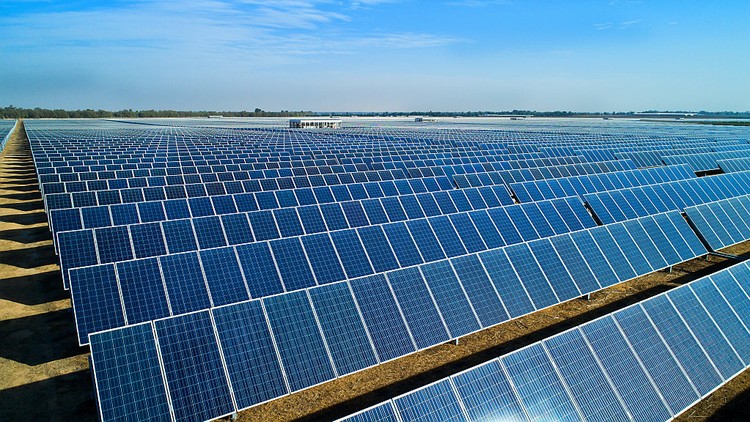
Imagine a small village, far from city lights, where the hum of a generator used to be the only source of power. Now, picture that same village bathed in the clean, quiet energy of the sun. This isn't just a feel-good story; it's a glimpse into how solar energy is transforming rural economies around the globe.
For many in developing countries, reliable access to electricity isn't a given. It's a barrier to education, healthcare, and economic opportunity. Bringing sustainable power to these communities through solar isn't just about flipping a switch; it's about igniting potential and fostering self-sufficiency. Solar energy can unlock entrepreneurial opportunities, reduce reliance on expensive and polluting fuels, and improve overall quality of life.
Want to see if solar makes sense for your community? Start by mapping out your energy needs. What are the most critical electricity demands? Are there existing community buildings (schools, clinics) that could serve as anchor points for a solar installation? Understanding your current energy landscape is the first step towards harnessing the power of the sun.
Powering Progress: How Solar Boosts Rural Economies
Solar energy isn't just an environmentally friendly alternative; it's an economic engine for rural communities. It provides a sustainable, reliable, and often cheaper source of power compared to traditional methods, leading to increased productivity, new business opportunities, and overall economic growth. Solar electrification drives development through access to healthcare, education, and communications.
Creating Jobs and Fostering Entrepreneurship
Solar energy creates new jobs in manufacturing, installation, maintenance, and sales. These jobs provide income opportunities for local residents, stimulating the local economy and reducing dependence on external sources of employment. This is especially true where communities can become energy producers, selling excess power back to a grid or a microgrid.
What types of jobs are created by solar energy in rural areas?
Beyond the obvious roles like solar panel installers, there's a whole ecosystem of jobs that springs up. Think about maintenance technicians who keep the systems running smoothly, sales and marketing professionals who educate the community about the benefits of solar, and even entrepreneurs who start businesses powered by solar, like small-scale agriculture or processing facilities. Solar also helps create jobs in the financial sector related to solar loan processing and administration.
How can solar training programs empower rural communities?
Investing in local training programs is key to ensuring the long-term success of solar projects. These programs equip residents with the skills needed to install, maintain, and repair solar systems, creating a workforce that can sustain the industry locally. This reduces reliance on outside expertise and ensures that the benefits of solar energy stay within the community. The programs also need to have specific business elements to provide pathways to entrepreneurship.
What are some examples of solar-powered businesses in rural areas?
Imagine a farmer using solar-powered irrigation to increase crop yields, or a small business owner using solar panels to power their workshop, reducing their operating costs and increasing their profits. Solar can also power cold storage facilities for agricultural products, preventing spoilage and allowing farmers to access wider markets. Other examples include solar-powered charging stations for electric vehicles, solar water heaters for homes and businesses, and solar-powered street lighting.
Reducing Energy Costs and Improving Affordability
Solar energy can significantly reduce energy costs for rural households and businesses. By generating their own electricity, they can reduce or eliminate their reliance on expensive and often unreliable fossil fuels. These savings can be reinvested in other areas, such as education, healthcare, and business development, further stimulating the local economy. Reducing these expenses frees up household budgets and increases disposable income.
What makes solar energy affordable in rural areas?
Declining solar panel costs, innovative financing options, and government incentives are making solar energy increasingly affordable for rural communities. Community-based solar projects, where residents pool their resources to invest in a shared system, can also help to lower the upfront costs. The long-term savings on energy bills often outweigh the initial investment, making solar a cost-effective solution over time.
How can microgrids enhance energy access and affordability?
Microgrids, which are localized energy grids that can operate independently of the main grid, can play a crucial role in enhancing energy access and affordability in rural areas. They allow communities to generate and distribute their own electricity, reducing their reliance on centralized power plants and transmission lines. Microgrids can also incorporate other renewable energy sources, such as wind and hydro, to create a diversified and resilient energy system.
What are some innovative financing options for rural solar projects?
Innovative financing options, such as pay-as-you-go (PAYGo) solar systems, community solar funds, and microloans, are making solar energy more accessible to rural households and businesses. PAYGo systems allow users to pay for their electricity on a subscription basis, eliminating the need for a large upfront investment. Community solar funds pool resources from local residents and investors to finance solar projects, while microloans provide small loans to individuals and businesses for solar installations.
Improving Public Services and Community Well-being
Solar energy can improve public services and community well-being by providing reliable power for schools, hospitals, and other essential facilities. This can lead to better educational outcomes, improved healthcare services, and a higher quality of life for residents. It also enables access to technology and connectivity, bridging the digital divide and fostering economic opportunities.
How can solar power improve education in rural communities?
Reliable electricity is essential for modern education. Solar power can enable schools in rural areas to use computers, internet access, and other educational technologies, improving the quality of education and expanding learning opportunities for students. It also allows schools to extend their hours of operation, providing students with more time to learn and study.
How can solar power improve healthcare in rural communities?
Access to electricity is critical for healthcare facilities to operate effectively. Solar power can provide reliable power for hospitals and clinics in rural areas, enabling them to store vaccines, power medical equipment, and provide essential healthcare services. It also allows healthcare providers to use telehealth technologies, expanding access to medical expertise and improving patient outcomes.
How does rural electrification help to improve water access?
In many rural areas, water pumps are powered by diesel generators, which are expensive and polluting. Solar-powered water pumps can provide a clean, affordable, and reliable source of water for drinking, irrigation, and other uses. This can improve public health, increase agricultural productivity, and reduce the burden of water collection, especially for women and girls.
Strengthening Resilience and Sustainability
Solar energy can strengthen resilience and sustainability in rural communities by providing a decentralized and reliable source of power. Unlike centralized power plants, which are vulnerable to disruptions and natural disasters, solar systems can operate independently, ensuring a continuous supply of electricity. This can help communities to better withstand emergencies and adapt to climate change.
How can solar help rural communities adapt to climate change?
Climate change is having a disproportionate impact on rural communities, which are often more vulnerable to extreme weather events, such as droughts, floods, and heat waves. Solar energy can help these communities adapt to climate change by providing a reliable source of power for irrigation, water purification, and other essential services. It also reduces their reliance on fossil fuels, contributing to global efforts to mitigate climate change.
What role do energy storage solutions play in rural solar projects?
Energy storage solutions, such as batteries, can play a critical role in rural solar projects by storing excess electricity generated during the day and providing power when the sun is not shining. This ensures a continuous supply of electricity, even during cloudy days or at night. Energy storage also allows communities to use solar energy for peak demand periods, reducing their reliance on the grid.
How can community ownership enhance the sustainability of solar projects?
Community ownership of solar projects can enhance their sustainability by fostering a sense of responsibility and commitment among local residents. When communities own and operate their own solar systems, they are more likely to maintain them properly and ensure their long-term success. This also allows them to retain the economic benefits of solar energy within the community.
The shift to solar isn't just about generating electricity; it's about empowering communities to chart their own course towards a brighter future. It’s a journey that demands collaboration, innovation, and a belief in the power of sustainable solutions. While challenges certainly exist, the potential for positive change is immense, and the stories of successful solar implementations are already inspiring others to take action.