

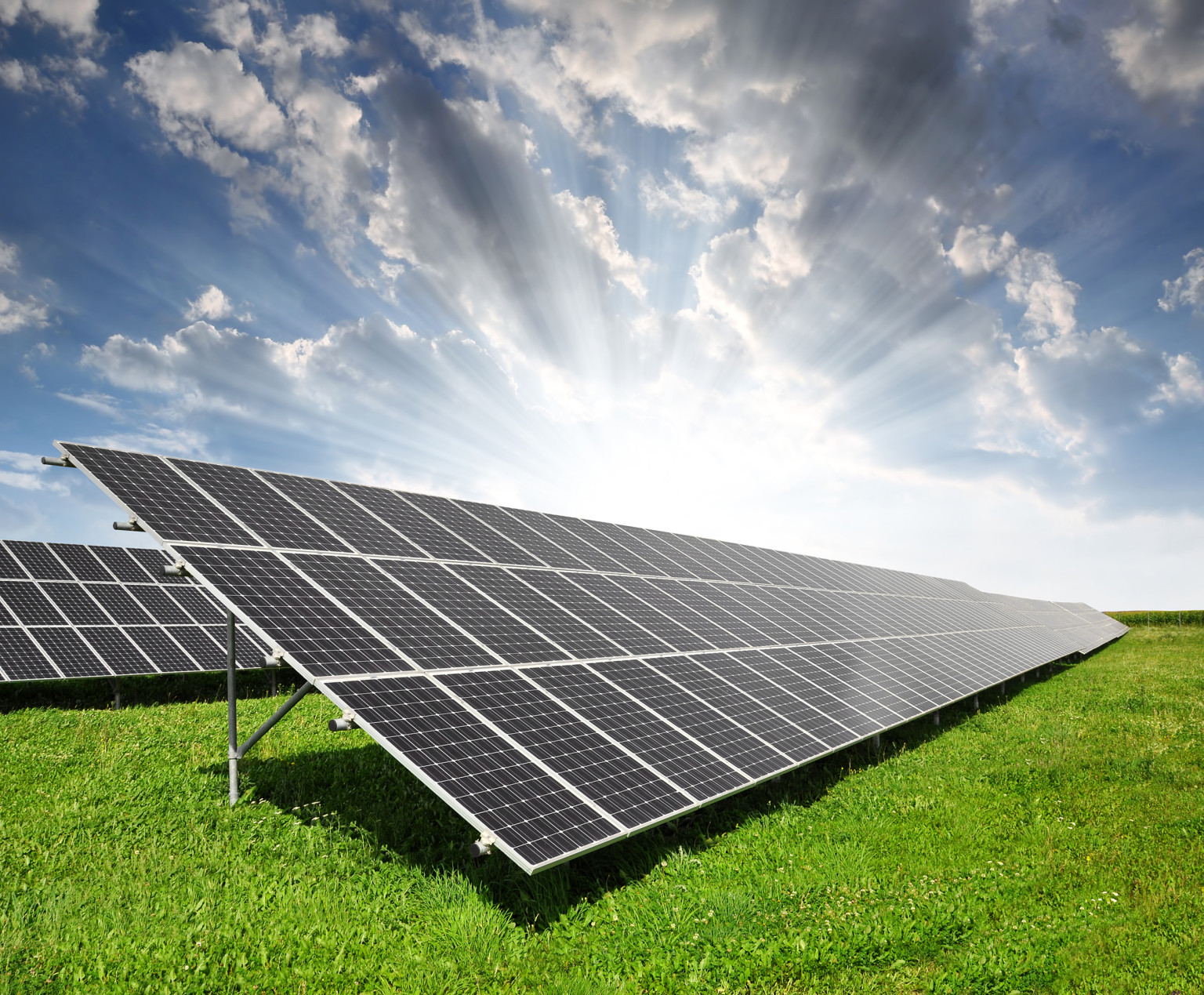
Imagine a young person in a rural community, full of potential but facing limited opportunities. What if they could be at the forefront of a growing industry, gaining valuable skills and contributing to a sustainable future? The rise of solar power is making this a reality in many places.
For developing countries, this is more than just an environmental story; it's an economic lifeline. Rural areas often struggle with unemployment and lack of access to reliable electricity. Solar energy projects are changing this, bringing not only clean power but also vital job opportunities that can transform communities. The ability to power homes, schools, and businesses with clean, affordable energy creates a ripple effect of progress.
Here's a practical tip: if you're a young person in a rural area, start exploring local solar training programs or apprenticeships. Even a basic understanding of solar installation or maintenance can open doors to exciting career paths. Don't underestimate the power of online resources and community workshops to build your knowledge base.
How Solar Energy Powers Up Rural Youth Employment
The sun, an abundant resource in many rural regions, holds the key to unlocking unprecedented opportunities for young people. When we discuss solar energy’s impact, we often focus on environmental benefits and energy independence. But the less-told story is how the expansion of renewable energy creates jobs, particularly for youth in underserved rural areas.
Solar Jobs: A Ray of Hope for Rural Economies
Solar energy isn't just about panels on rooftops; it's an entire ecosystem of jobs waiting to be filled. From manufacturing and installation to maintenance and sales, the solar sector provides a diverse range of employment possibilities. For young people in rural areas, where traditional job markets may be limited, this can be a game-changer. These jobs often require technical skills, providing opportunities for education and training that can lead to long-term career growth. Furthermore, the decentralized nature of solar energy means that projects can be implemented in even the most remote locations, bringing employment directly to the communities that need it most.
What types of jobs does the solar industry offer in rural settings?
The solar industry generates a wide array of jobs suitable for individuals with varying skill sets and educational backgrounds. These include: Solar Panel Installers:This is perhaps the most visible job, involving the physical installation of solar panels on residential, commercial, or community-scale projects. It requires technical aptitude, attention to detail, and a willingness to work outdoors.
Solar Technicians: These professionals are responsible for the maintenance, troubleshooting, and repair of solar energy systems. They need a solid understanding of electrical systems and solar technology.
Sales and Marketing Professionals: Promoting and selling solar energy solutions to potential customers requires strong communication and interpersonal skills. These roles are crucial for expanding the adoption of solar power in rural communities.
Project Developers and Managers: These individuals oversee the planning, development, and execution of solar energy projects. They need strong organizational, leadership, and problem-solving skills.
Manufacturing and Assembly Workers: Solar panel manufacturing plants, although sometimes located in more urban areas, can still provide employment opportunities for rural residents willing to commute or relocate.
Entrepreneurs: Solar energy also fosters entrepreneurship. Young people can start their own solar installation companies, offer solar consulting services, or develop innovative solar-powered products.
How can young people access training and education for solar jobs?
Access to training and education is crucial for equipping young people with the skills needed to succeed in the solar industry. Here are some avenues to explore: Vocational Training Programs:Many vocational schools and technical colleges offer programs in solar installation, maintenance, and related fields. These programs provide hands-on training and industry-recognized certifications.
Apprenticeships: Apprenticeships combine on-the-job training with classroom instruction, allowing young people to learn from experienced professionals while earning a wage.
Online Courses and Resources: Numerous online platforms offer courses in solar energy fundamentals, system design, and installation practices. These courses can be a convenient and affordable way to acquire knowledge and skills.
Community Workshops and Seminars: Local organizations and community colleges often host workshops and seminars on solar energy topics. These events provide opportunities to learn from experts and network with other individuals interested in the field.
Government-Sponsored Programs: Many governments offer financial assistance or incentives for training and education in renewable energy sectors. Research available programs in your region.
Overcoming Challenges and Maximizing Impact
While the potential of solar energy to create jobs for rural youth is significant, there are challenges that need to be addressed. Access to financing, lack of awareness, and inadequate infrastructure can hinder the growth of the solar industry in rural areas. However, with strategic interventions and collaborative efforts, these challenges can be overcome.
What makes solar energy affordable in rural areas?
Several factors contribute to the affordability of solar energy in rural areas: Decreasing Costs of Solar Panels:The cost of solar panels has decreased dramatically in recent years, making solar energy more competitive with traditional energy sources.
Government Incentives and Subsidies: Many governments offer incentives such as tax credits, rebates, and feed-in tariffs to encourage the adoption of solar energy. These incentives can significantly reduce the upfront cost of solar systems.
Financing Options: Various financing options, such as solar loans, leases, and power purchase agreements (PPAs), are available to help homeowners and businesses finance solar installations.
Off-Grid Solutions: In remote rural areas where grid extension is not feasible or cost-effective, off-grid solar systems can provide a more affordable and reliable alternative to diesel generators or other traditional energy sources. Microgrids powered by solar energy are also increasingly common.
Community-Based Models: Community-owned solar projects can distribute the cost of solar energy across multiple households or businesses, making it more affordable for individual users.
How can we ensure that solar jobs benefit local communities?
To ensure that solar jobs truly benefit local communities, it's essential to prioritize local hiring, skills development, and community ownership. This can be achieved through: Targeted Training Programs:Design training programs that specifically cater to the needs of local communities, equipping young people with the skills demanded by the local solar industry.
Local Hiring Policies: Encourage solar companies to prioritize hiring local residents, providing them with opportunities to gain employment and contribute to their communities' economic development.
Community Ownership Models: Support community-owned solar projects that empower local residents to control their energy resources and reap the economic benefits of solar energy.
Fair Wages and Working Conditions: Ensure that solar workers receive fair wages and work under safe and healthy conditions. This will attract and retain talent, creating a stable and sustainable workforce.
Entrepreneurship Support: Provide support for young entrepreneurs who want to start their own solar-related businesses, fostering innovation and creating additional job opportunities.
Solar Energy: A Catalyst for Rural Development
Beyond job creation, solar energy can act as a catalyst for broader rural development. Access to reliable electricity can improve education, healthcare, and economic opportunities. Solar-powered irrigation systems can enhance agricultural productivity, while solar-powered lighting can extend business hours and improve public safety.
The impact goes beyond the purely economic. Increased access to electricity through solar power can enhance the overall quality of life in rural communities. Children can study at night, families can connect with the world through the internet, and businesses can thrive. This, in turn, can help to reduce poverty and improve health outcomes.
What role can governments play in promoting solar energy and job creation in rural areas?
Governments have a crucial role to play in promoting solar energy and job creation in rural areas. They can: Establish Clear and Supportive Policies:Develop clear and supportive policies that encourage the deployment of solar energy, such as feed-in tariffs, net metering policies, and renewable energy targets.
Provide Financial Incentives: Offer financial incentives such as tax credits, rebates, and grants to make solar energy more affordable for homeowners, businesses, and communities.
Invest in Training and Education: Invest in training and education programs to equip young people with the skills needed to succeed in the solar industry.
Streamline Permitting Processes: Streamline permitting processes for solar energy projects to reduce bureaucratic hurdles and accelerate deployment.
Promote Public Awareness: Raise public awareness about the benefits of solar energy and the job opportunities it creates in rural areas.
How can international organizations support solar energy initiatives in developing countries?
International organizations can play a vital role in supporting solar energy initiatives in developing countries. They can: Provide Financial Assistance:Offer financial assistance to support solar energy projects, training programs, and research and development efforts.
Share Expertise and Best Practices: Share expertise and best practices in solar energy development, deployment, and policy-making.
Facilitate Technology Transfer: Facilitate the transfer of solar energy technologies from developed to developing countries.
Promote Capacity Building: Promote capacity building by training local professionals and technicians in solar energy technologies and project management.
Advocate for Supportive Policies: Advocate for supportive policies that create an enabling environment for solar energy development in developing countries.
The movement toward renewable energy in Africa, and other developing regions, is not just about adopting new technology. It’s about empowering individuals and communities. By investing in solar energy, we're investing in a brighter future for young people and creating a more sustainable world for all.