

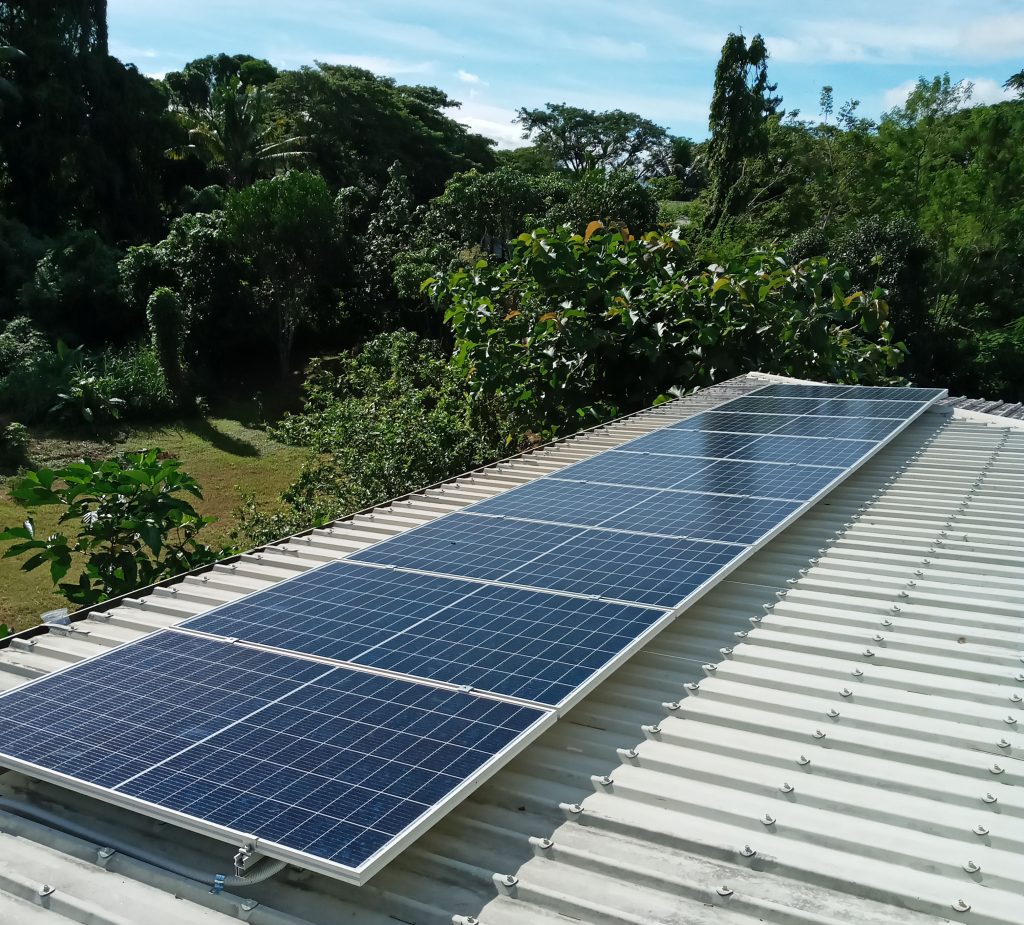
Imagine an island paradise – pristine beaches, vibrant culture, and stunning natural beauty. Now imagine that same paradise shrouded in darkness at night, lacking access to reliable electricity. This isn't some dystopian fantasy; it's the reality for many remote island communities around the world. But there’s a bright solution shining on the horizon: harnessing the power of the sun.
For individuals in developing nations, particularly those on islands far removed from centralized power grids, accessible and affordable energy isn't just a convenience – it’s a pathway to a better quality of life. Reliable electricity fuels education, healthcare, and economic opportunity. It allows children to study after sunset, clinics to refrigerate life-saving medicines, and small businesses to thrive. The shift to solar energy in these locations addresses immediate needs and fosters long-term resilience and sustainability.
One practical tip: Explore community-based solar solutions. Many successful projects in remote areas thrive because they're owned and operated collectively. This ensures that the benefits of solar energy are shared equally, fosters local expertise, and creates a sense of ownership that leads to greater long-term success.
How Off-Grid Solar Lights Up Remote Islands
The isolation of island communities presents unique challenges when it comes to energy access. Traditional solutions like extending power lines or relying on diesel generators are often prohibitively expensive and environmentally damaging. But the rise of affordable and efficient solar technology is changing the game, offering a clean, reliable, and cost-effective alternative that empowers these communities to chart their own energy future.
The Energy Challenges Faced by Island Communities
Island nations often face an uphill battle when it comes to accessing consistent and affordable electricity. Geographic isolation, limited infrastructure, and reliance on imported fossil fuels create a perfect storm of energy insecurity.
Why are islands so reliant on fossil fuels?
The problem is multi-faceted. Transporting fuel to remote locations is expensive and logistically complex, driving up costs. Furthermore, many islands lack the economies of scale to justify large-scale grid infrastructure. Diesel generators, while offering a seemingly straightforward solution, are noisy, polluting, and require constant maintenance and fuel supply, making them an unsustainable long-term option. The environmental consequences of fossil fuel dependence are also significant, contributing to air pollution, greenhouse gas emissions, and the risk of devastating oil spills.
What are the economic consequences of unreliable power?
Unreliable power access significantly impedes economic development. Businesses struggle with frequent power outages, impacting productivity and profitability. Tourism, a vital industry for many island economies, suffers when resorts and hotels cannot guarantee consistent electricity for their guests. Lack of refrigeration hinders the fishing industry, preventing fishermen from preserving their catch and accessing larger markets. Ultimately, energy poverty perpetuates a cycle of disadvantage, limiting opportunities for growth and prosperity.
The Promise of Off-Grid Solar Solutions
Off-grid solar energy offers a viable and sustainable pathway to overcome these challenges. By harnessing the abundant sunshine that graces many islands, communities can generate their own clean electricity, reducing their reliance on expensive and polluting fossil fuels.
How does off-grid solar work?
Off-grid solar systems are designed to operate independently of the main power grid. They typically consist of solar panels that convert sunlight into electricity, a battery storage system to store excess energy for use during cloudy days or at night, and an inverter to convert the direct current (DC) electricity from the panels and batteries into alternating current (AC) electricity that can power homes and businesses. Smart monitoring systems are increasingly common, allowing users to track energy production and consumption.
What are the benefits of powering islands with the sun?
The advantages of off-grid solar are numerous. Solar energy is a clean and renewable resource, reducing carbon emissions and protecting the environment. It offers energy independence, shielding communities from volatile fossil fuel prices and supply disruptions. Off-grid systems can be tailored to meet the specific energy needs of a community, from powering a single home to electrifying an entire village. Furthermore, solar energy creates local jobs in installation, maintenance, and manufacturing, stimulating economic growth.
Case Studies: Solar Success Stories on Islands
Around the world, island communities are embracing solar energy and reaping the rewards. These real-world examples demonstrate the transformative potential of this technology.
The Isle of Eigg, Scotland: A community-owned revolution
The Isle of Eigg, a small island off the coast of Scotland, has become a model for sustainable energy. Faced with unreliable electricity and high costs, the community took matters into its own hands, developing a community-owned off-grid system powered by a combination of solar, wind, and hydro energy. The system provides residents with 24/7 electricity, fostering a thriving community and attracting new residents. The Isle of Eigg proves that even in challenging climates, renewable energy can provide a reliable and sustainable power supply.
Ta'u, American Samoa: 100% renewable
Ta'u, a remote island in American Samoa, was once entirely dependent on diesel generators. Today, it is powered by a microgrid consisting of solar panels and battery storage, providing 100% of the island's electricity needs from renewable sources. The project has significantly reduced the island's carbon footprint, improved air quality, and lowered energy costs for residents. Ta'u serves as a powerful example of how solar energy can transform even the most isolated communities.
What makes solar energy affordable in rural areas?
Creative financing models are essential. Government subsidies, grants, and low-interest loans can help to reduce the upfront costs of solar installations. Community-based ownership models, where residents pool their resources to invest in a shared solar system, can also make solar energy more affordable. Pay-as-you-go (PAYGo) solar systems, which allow users to pay for electricity in small increments using mobile money, are also gaining popularity in developing countries, making solar energy accessible to even the poorest households.
Overcoming the Challenges of Solar Implementation
While solar energy offers a promising solution, there are challenges to overcome to ensure successful implementation in remote island communities.
How can we ensure long-term maintenance and reliability?
Robust maintenance programs are crucial to ensure the long-term performance of solar systems. Training local technicians to maintain and repair the equipment is essential for building local capacity and reducing reliance on external expertise. Remote monitoring systems can also help to identify and address potential problems before they escalate, minimizing downtime and maximizing the lifespan of the system.
What about intermittency?
The intermittent nature of solar energy – the fact that it only generates electricity when the sun is shining – is a common concern. Battery storage is key to addressing this challenge, allowing excess energy generated during the day to be stored and used at night or during cloudy periods. Smart grid technologies can also help to manage energy demand and optimize the use of available solar power. In some cases, combining solar with other renewable energy sources, such as wind or hydro, can provide a more diversified and reliable energy supply.
How important is community engagement?
Community engagement is paramount. Successful projects involve local residents in the planning and implementation process, ensuring that the system meets their specific needs and that they feel a sense of ownership. Educating the community about the benefits of solar energy and providing training on how to operate and maintain the system is also crucial for ensuring long-term sustainability.
The journey to electrify remote islands with solar power isn’t without its hurdles, but the opportunities and benefits are immense. As technology continues to advance and costs decrease, the widespread adoption of solar energy on islands is not just a possibility – it’s an inevitability. Imagine a future where every island community has access to clean, reliable, and affordable electricity, powering a brighter and more sustainable future for all.