

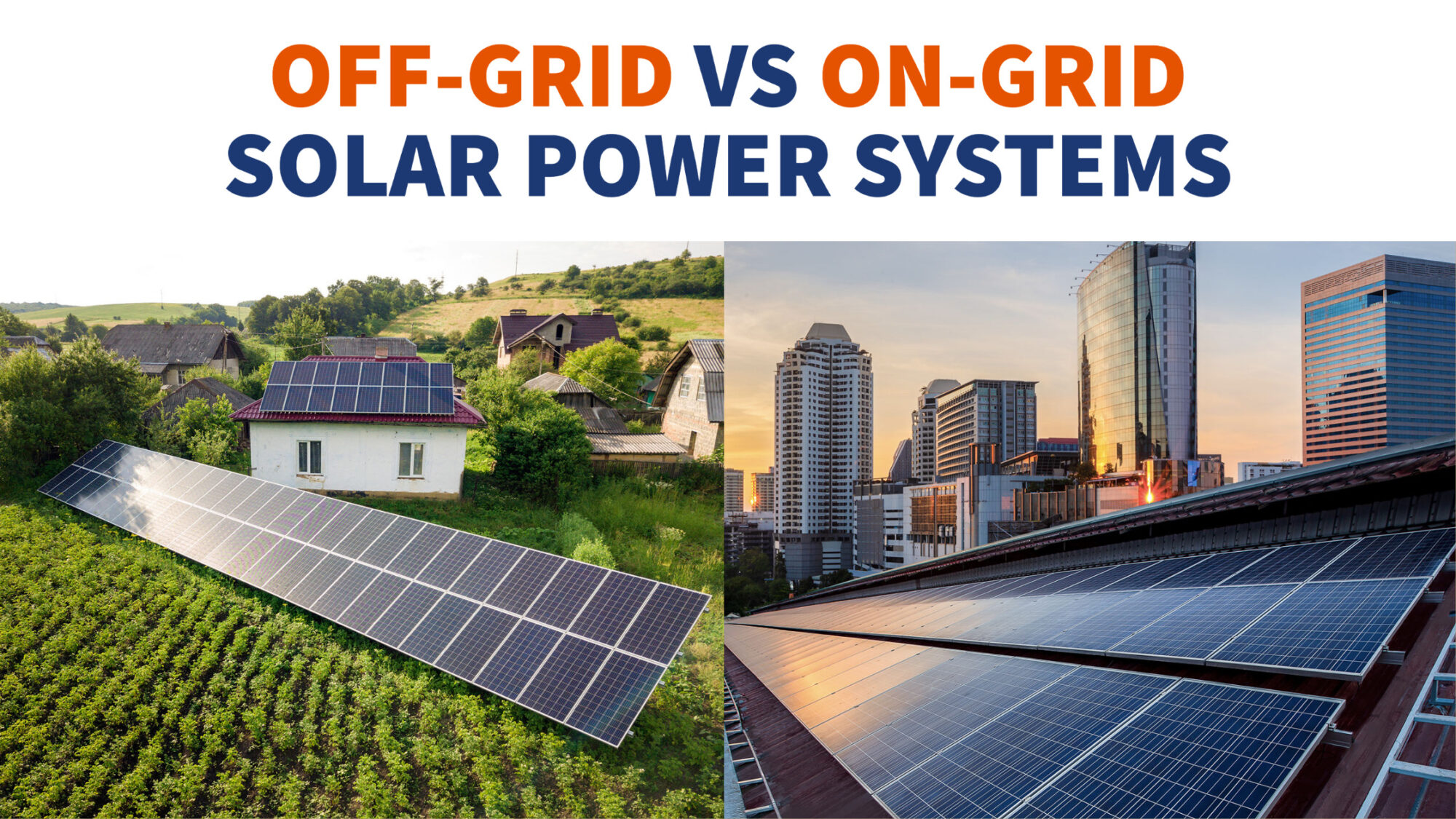
Imagine a village bathed in the warm glow of electric lights for the first time, children able to study after sunset, and small businesses thriving with newfound energy. This isn't just a dream; it's the achievable reality of off-grid solar power.
Bringing electricity to remote villages isn't just about convenience; it’s about opportunity. In many developing nations, access to reliable power is a major barrier to education, healthcare, and economic growth. Off-grid solar systems offer a sustainable, cost-effective solution, empowering communities to leapfrog traditional infrastructure and build a brighter future. Think of the possibilities: families saving money on kerosene, clinics able to refrigerate vaccines, and entrepreneurs launching businesses powered by the sun.
One simple yet powerful starting point for a village exploring solar? Conduct a thorough energy audit. Understanding the current energy consumption patterns – what appliances are used, for how long, and at what times – lays the foundation for designing a solar system that truly meets the community's needs. This data-driven approach prevents undersizing or oversizing the system, ensuring optimal performance and cost-effectiveness.
How to Implement Off-Grid Solar Systems in Villages
Bringing clean, reliable electricity to remote communities requires careful planning and execution. This guide explores the key steps involved in successfully implementing off-grid solar systems, from initial assessment to long-term maintenance.
Assessing the Village's Energy Needs
Before diving into hardware specifications, a comprehensive understanding of the village's energy needs is paramount. This involves data collection, community engagement, and careful analysis.
What are the current energy sources and their limitations?
Begin by identifying existing power sources. Are residents relying on expensive and polluting options like kerosene lamps and diesel generators? What are the associated costs, both financial and environmental? Documenting these limitations highlights the need for a cleaner, more sustainable alternative. This involves household surveys to understand energy consumption for lighting, cooking, and powering appliances like radios or televisions. Consider the specific needs of local businesses, schools, and healthcare facilities. This comprehensive data will inform the sizing and design of the solar system.
How much energy do households and businesses consume daily?
Quantifying energy consumption is crucial for accurate system sizing. Use survey data and direct measurements, if possible, to determine the average daily energy demand of each household and business. Factor in potential future growth in energy consumption as the community develops and adopts new technologies. Remember to account for seasonal variations in energy use, such as increased lighting needs during winter months.
What are the village's unique geographical and environmental considerations?
Assess the solar irradiance levels in the region. Is the village located in a sunny area with consistent solar availability, or are there frequent cloud cover or shading issues? Consider factors like temperature, humidity, and altitude, as these can affect the performance and lifespan of solar panels and other components. Topography also plays a role; steep terrain may require specialized installation techniques.
Selecting the Right Solar Technology
Choosing the appropriate solar technology is a critical decision that will impact the system's performance, cost, and longevity.
What are the different types of off-grid solar systems?
Explore the various configurations of off-grid solar systems, including standalone home systems, mini-grids, and solar home systems (SHSs). Standalone systems are designed for individual households or small businesses, while mini-grids serve multiple consumers within a defined area. SHSs offer a flexible and affordable solution for electrifying individual homes with basic power needs. Consider the village's population density, geographical layout, and energy demand patterns to determine the most suitable system architecture.
What are the key components of a solar energy system and their functions?
Familiarize yourself with the core components of a solar system: solar panels (which convert sunlight into electricity), charge controllers (which regulate the flow of electricity to the batteries), batteries (which store excess energy for later use), and inverters (which convert DC power from the batteries into AC power for household appliances). Each component plays a vital role in the system's overall performance. Selecting high-quality components from reputable manufacturers is essential for ensuring reliability and longevity.
How to choose the right size and capacity for the system?
Accurately sizing the system is crucial for meeting the village's energy needs without incurring unnecessary costs. Use the energy consumption data collected during the assessment phase to determine the appropriate size and capacity of the solar panels, batteries, and inverters. Consider factors like peak demand, storage capacity, and future growth potential. Engaging with experienced solar installers and engineers can help ensure that the system is optimally sized for the village's specific requirements.
Financing and Funding Options
Securing adequate funding is often the biggest hurdle in implementing off-grid solar projects. Explore a variety of financing mechanisms to make solar energy accessible to the community.
What are the different funding models for rural electrification projects?
Consider a range of financing models, including government subsidies, grants from international organizations, microfinance loans, and private investment. Public-private partnerships (PPPs) can also be an effective way to leverage private sector expertise and capital. Explore innovative financing mechanisms like crowdfunding and pay-as-you-go (PAYGo) models, which allow residents to pay for electricity in small increments, making it more affordable.
How to secure grants and subsidies for solar projects?
Research grant opportunities from government agencies, international development organizations, and philanthropic foundations. Prepare a compelling proposal that clearly articulates the project's objectives, benefits, and sustainability plan. Highlight the project's potential to improve access to education, healthcare, and economic opportunities in the village. Emphasize the environmental benefits of solar energy, such as reduced carbon emissions and improved air quality.
What are the benefits of microfinance and community-based financing models?
Microfinance institutions (MFIs) can provide small loans to individual households or businesses to finance the purchase of solar home systems or connect to a mini-grid. Community-based financing models, such as revolving loan funds, allow communities to pool resources and provide loans to members for solar energy investments. These models promote local ownership and participation, enhancing the project's sustainability.
Installation and Maintenance
Proper installation and regular maintenance are essential for ensuring the long-term performance and reliability of the solar system.
What are the best practices for installing solar panels and other components?
Follow industry best practices for solar panel installation, including proper mounting techniques, wiring connections, and grounding. Ensure that the panels are oriented and tilted correctly to maximize sunlight capture. Protect the system from environmental hazards like lightning strikes and extreme weather events. Engage with qualified solar installers who have experience working in rural environments.
How to train local technicians for system maintenance and repair?
Invest in training programs for local technicians to ensure that the system can be properly maintained and repaired. Provide hands-on training on troubleshooting common issues, replacing faulty components, and performing routine maintenance tasks. Equip the technicians with the necessary tools and equipment. Empowering local technicians fosters local ownership and ensures the long-term sustainability of the project.
What are the key maintenance tasks for ensuring the longevity of the system?
Regular maintenance tasks include cleaning solar panels, inspecting wiring connections, checking battery health, and monitoring system performance. Establish a schedule for routine maintenance and inspections. Keep detailed records of all maintenance activities. Address any issues promptly to prevent them from escalating into major problems. Proactive maintenance extends the lifespan of the system and minimizes downtime.
Community Engagement and Education
Engaging the community throughout the project lifecycle is crucial for its success and long-term sustainability.
How to involve community members in the planning and decision-making process?
Involve community members in all stages of the project, from initial assessment to design and implementation. Conduct community meetings to discuss the project's objectives, benefits, and potential impacts. Solicit feedback and address any concerns. Ensure that the community has a sense of ownership and responsibility for the project.
How to educate the community about solar energy and its benefits?
Provide educational programs to raise awareness about solar energy and its benefits. Explain how solar systems work, how to use electricity efficiently, and how to maintain the system properly. Highlight the economic, social, and environmental benefits of solar energy. Empower the community to be active participants in the transition to clean energy.
How to ensure that the solar project is sustainable and benefits the entire community?
Establish a community-based management structure to oversee the operation and maintenance of the solar system. Develop a sustainable financing model to cover ongoing costs, such as maintenance, repairs, and battery replacements. Ensure that the benefits of solar energy are shared equitably among all community members. Promote energy efficiency and conservation to minimize demand and maximize the system's impact.
What makes solar energy affordable in rural areas?
Several factors contribute to the affordability of solar energy in rural areas. The decreasing cost of solar panels, combined with innovative financing models like microfinance and PAYGo, makes solar energy more accessible to low-income communities. Off-grid solar systems eliminate the need for expensive grid extensions, reducing infrastructure costs. The reduced reliance on fossil fuels, such as kerosene and diesel, translates into significant cost savings for households and businesses.
How does rural electrification impact education and healthcare?
Access to electricity has a transformative impact on education and healthcare in rural areas. Children can study after sunset, improving their academic performance. Schools can use computers and other technology to enhance learning. Healthcare facilities can refrigerate vaccines, provide better diagnostic services, and operate medical equipment, improving patient outcomes. Reliable electricity empowers communities to improve their overall quality of life.
How to monitor the performance of the off-grid solar system?
Implement a system for monitoring the performance of the off-grid solar system. This can involve installing monitoring devices that track energy production, battery health, and system usage. Regularly analyze the data to identify any issues or inefficiencies. Use the data to optimize system performance and ensure that it is meeting the community's energy needs. Share the data with the community to promote transparency and accountability.
The journey to electrifying villages with off-grid solar is a challenging but immensely rewarding one. It requires careful planning, collaboration, and a commitment to sustainability. But with the right approach and the active participation of the community, it’s entirely possible to bring clean, reliable electricity to those who need it most, unlocking new opportunities and building a brighter future for all.