

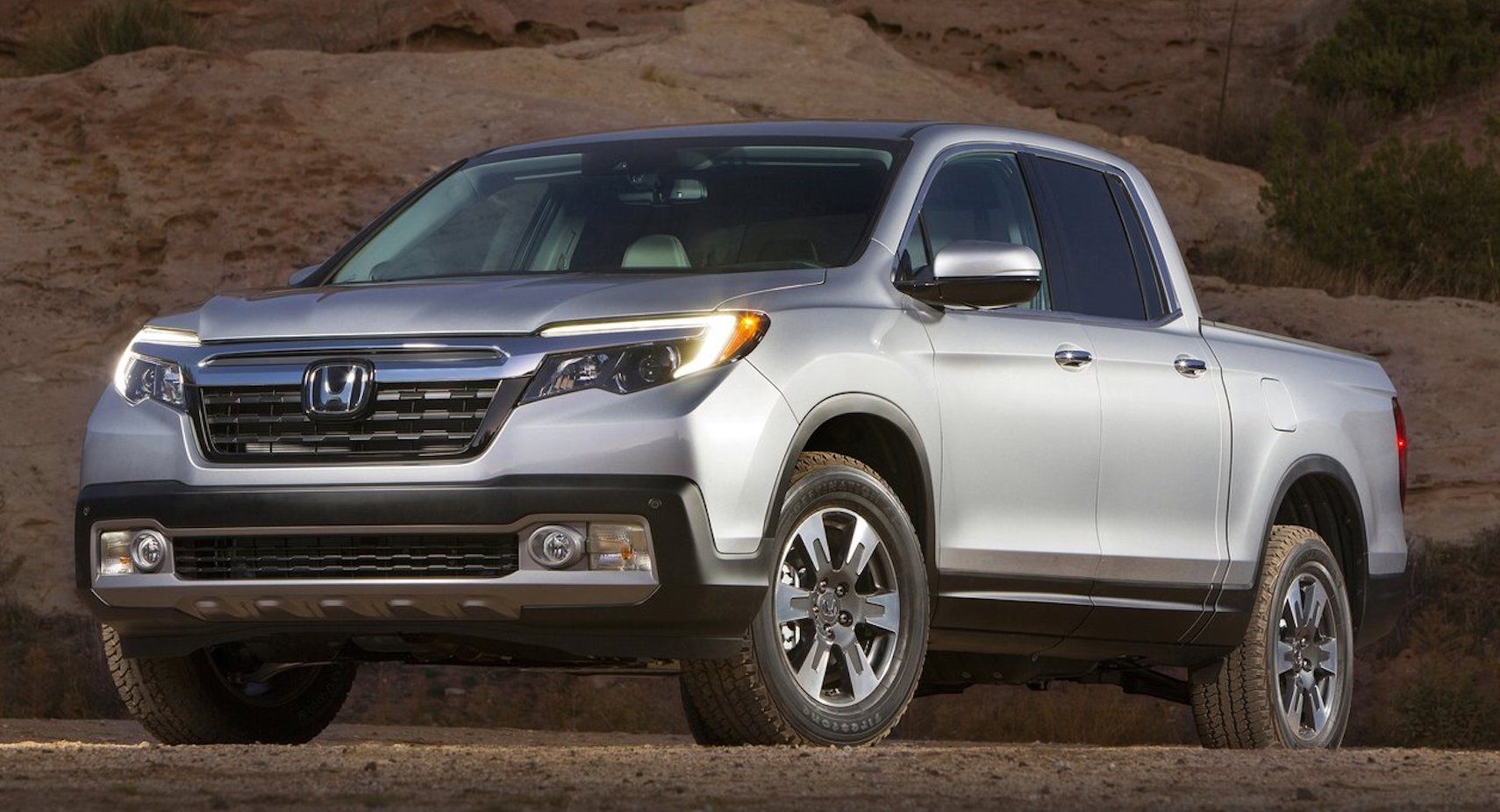
Are you ready to hit the open road in 2025 without breaking the bank on fuel? Finding the most fuel-efficient trucks for long hauls is critical for fleet owners and independent drivers alike. This guide dives into thebest fuel-efficient trucks coming in 2025, helping you make informed decisions to reduce costs and improve your bottom line. We'll explore thekey features, benefits, and practical tips for choosing and using these advanced vehicles, ensuring your long-haul operations are both economical and environmentally responsible.
All About 2025 Best Fuel Efficient Trucks for Long Hauls
The term "2025 Best Fuel Efficient Trucks for Long Hauls" refers to a selection of heavy-duty vehicles optimized for maximum fuel economy while transporting goods over extended distances. These trucks aren't just about saving money at the pump; they represent a broader trend towardsustainable transportation, reducing carbon emissions and improving overall efficiency in the logistics industry. Their significance lies in the potential to drastically lower operating costs for trucking companies, making them more competitive and resilient in a fluctuating market.
Historically, long-haul trucking has been synonymous with high fuel consumption. However, advancements in engine technology, aerodynamics, and alternative fuel sources have dramatically altered the landscape. Key developments include the adoption ofturbocharging and improved combustion techniques, the introduction of hybrid and electric powertrains, and the widespread use of lightweight materials to reduce overall vehicle weight. These innovations are steadily pushing the boundaries of what's possible in terms of fuel efficiency.
What sets these 2025 models apart is their holistic approach to fuel optimization. It's not just about a single feature, but rather a combination of factors working in concert. This includes features such as: Aerodynamic design: Smoother profiles, minimized gaps, and optimized airflow to reduce drag. Advanced engine management systems: Sophisticated software that constantly adjusts engine parameters to maximize efficiency based on driving conditions. Hybrid and electric powertrains: Supplementing or replacing traditional diesel engines with electric motors and battery packs. Lightweight materials: Using aluminum alloys and composite materials to reduce overall vehicle weight. Predictive cruise control:Utilizing GPS and mapping data to anticipate terrain changes and optimize speed and gear selection.
According to industry experts like those at the North American Council for Freight Efficiency (NACFE), these advancements have the potential to improve fuel economy by as much as 15-20% compared to older models. This translates to significant cost savings over the lifespan of the truck. For example, a driver usinghow to 2025 Best Fuel Efficient Trucks for Long Haulscan see considerable savings in fuel costs. "The future of long-haul trucking is undoubtedly tied to fuel efficiency," says Mike Roeth, Executive Director of NACFE. "Trucks that incorporate these technologies will have a clear competitive advantage."
Benefits of 2025 Best Fuel Efficient Trucks for Long Hauls for Users
The enhanced user experience offered by these fuel-efficient trucks extends far beyond just lower fuel bills. Drivers and fleet managers alike can experience a multitude of benefits: Reduced Operating Costs: Obviously, the most significant benefit is the reduced cost of fuel. This translates to higher profit margins for trucking companies and increased income for independent owner-operators. Usingsolutions for 2025 Best Fuel Efficient Trucks for Long Hauls, companies can optimize their fleet for cost savings. Improved Driver Comfort: Many of these new trucks are equipped with advanced driver-assist systems (ADAS) and more comfortable cabs, reducing driver fatigue and improving overall job satisfaction. Enhanced Safety: Features like lane departure warning, automatic emergency braking, and adaptive cruise control contribute to a safer driving experience, reducing the risk of accidents. Reduced Environmental Impact: Lower fuel consumption means fewer emissions, contributing to a cleaner environment and helping trucking companies meet increasingly stringent environmental regulations. Increased Resale Value: Fuel-efficient trucks tend to hold their value better over time, making them a sound investment.
Consider the example of a trucking company operating a fleet of 50 older trucks versus a fleet of 50 2025 fuel-efficient models. Assuming an average annual mileage of 100,000 miles per truck and a fuel price of $4.00 per gallon, the potential savings can be substantial. If the new trucks achieve a 20% improvement in fuel economy (e.g., from 6 MPG to
7.2 MPG), the company could save hundreds of thousands of dollars per year. This is one of the biggestbenefits of 2025 Best Fuel Efficient Trucks for Long Hauls.
Compared to alternative technologies like hydrogen fuel cells, the 2025 fuel-efficient trucks offer a more readily available and cost-effective solution for reducing fuel consumption. While hydrogen technology holds promise for the future, the infrastructure is still limited, and the cost of hydrogen fuel remains high. Hybrid and advanced diesel engines, on the other hand, are widely available and supported by an existing infrastructure.
Research findings from organizations like the American Transportation Research Institute (ATRI) consistently demonstrate the significant impact of fuel costs on the trucking industry. Their studies highlight the importance of fuel efficiency as a key driver of profitability and sustainability.
How to Use 2025 Best Fuel Efficient Trucks for Long Hauls
Successfully integrating these advanced trucks into your fleet requires a strategic approach. Here's a breakdown of key steps:
1. Driver Training and Education
The first and arguably most important step is to ensure your drivers are properly trained on how to operate these new trucks efficiently. The technology and systems in these models are often significantly different from older vehicles.
Best practices: Focus on teaching drivers how to utilize features like predictive cruise control, eco-mode settings, and regenerative braking (in hybrid models) to their full potential. Emphasize the importance of smooth acceleration and deceleration, avoiding unnecessary idling, and maintaining proper tire inflation. Optimization tips: Encourage drivers to actively monitor their fuel economy using the truck's onboard computer and adjust their driving habits accordingly. Promote a culture of continuous improvement and reward drivers who consistently achieve high fuel efficiency.
2. Route Optimization and Planning
Planning routes strategically can have a significant impact on fuel consumption. This includes factors such as: Selecting the most efficient routes: Utilize GPS navigation systems that factor in traffic conditions, elevation changes, and road closures to minimize unnecessary detours and delays. Minimizing stop-and-go traffic: Avoid routes through congested urban areas whenever possible, especially during peak hours. Planning for refueling:Strategically locate refueling stops along the route to take advantage of competitive fuel prices and avoid running low on fuel, which can negatively impact performance.
3. Regular Maintenance and Inspections
Proper maintenance is crucial for maintaining optimal fuel efficiency. Neglecting routine maintenance can lead to increased fuel consumption and costly repairs.
Schedule regular maintenance: Adhere to the manufacturer's recommended maintenance schedule for oil changes, filter replacements, and other essential services. Inspect tires regularly: Ensure tires are properly inflated and aligned. Underinflated tires can increase rolling resistance and significantly reduce fuel economy. Monitor engine performance:Pay attention to any unusual noises or performance issues and address them promptly to prevent further damage.
Tips Before Using 2025 Best Fuel Efficient Trucks for Long Hauls
Before deploying these advanced trucks on long hauls, consider these preparation guidelines: Familiarize yourself with the truck's features: Thoroughly review the owner's manual and understand the various systems and technologies designed to enhance fuel efficiency. Inspect the truck thoroughly: Conduct a pre-trip inspection to ensure all systems are functioning properly, including tires, brakes, lights, and fluid levels. Plan your route carefully:Use GPS navigation systems to optimize your route and avoid congested areas.
Avoid these common mistakes: Neglecting driver training: Assuming that drivers can intuitively operate these new trucks without proper training. Ignoring maintenance schedules: Delaying or skipping routine maintenance tasks, which can lead to increased fuel consumption and costly repairs. Overloading the truck:Exceeding the truck's weight limits, which can significantly reduce fuel economy.
Ignoring these tips can lead to reduced fuel efficiency, increased operating costs, and potential safety hazards.
Common Issues and Solutions Related to 2025 Best Fuel Efficient Trucks for Long Hauls
Even with the best preparation, you may encounter some common issues with these advanced trucks. Here are some potential problems and troubleshooting steps: Reduced fuel economy: Possible causes include underinflated tires, improper engine maintenance, driving in harsh conditions, or overloading the truck. Solutions include checking tire pressure, scheduling engine maintenance, optimizing routes, and adhering to weight limits. Engine performance issues: These could stem from faulty sensors, clogged filters, or problems with the fuel injection system. Consider consulting a qualified mechanic to diagnose and repair the issue. Problems with the hybrid system (if applicable):Potential issues include battery degradation, malfunctioning electric motors, or problems with the regenerative braking system. Consult a certified technician specializing in hybrid vehicle repair.
Conclusion
The 2025 Best Fuel Efficient Trucks for Long Hauls represent a significant step forward in sustainable transportation. Their advanced technologies and features offer the potential to dramatically reduce fuel consumption, lower operating costs, and improve the overall driving experience. By following the tips and guidelines outlined in this article, you can maximize the benefits of these vehicles and contribute to a more efficient and environmentally responsible trucking industry.
Ultimately, investing in these fuel-efficient trucks is an investment in the future. By embracing these advancements, trucking companies and owner-operators can position themselves for success in an increasingly competitive and environmentally conscious market. Implement the solutions and strategies discussed, and you'll be well on your way to optimizing your long-haul operations and achieving significant fuel savings.