

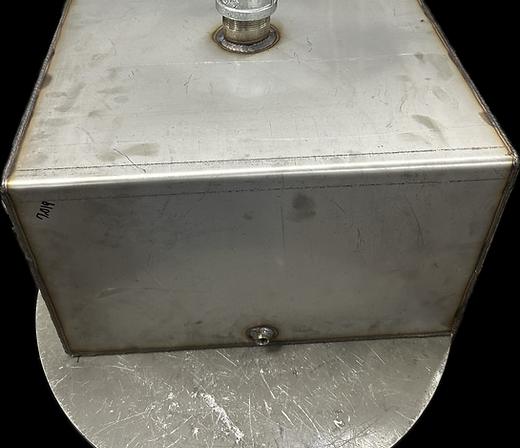
Are you looking to squeeze every last drop of performance out of your vehicle? Upgrading to a 10-gallon fuel cell can unlock significant gains in endurance and power delivery, especially for track days and competitive events. This article explains what a 10-gallon fuel cell upgrade means for your performance vehicle, its benefits, how to use it, and how to avoid common pitfalls. We will cover everything you need to know before taking the plunge, from initial setup to ongoing maintenance, ensuring your ride is ready to dominate the asphalt.
All About 10 Gallon Fuel Cell Upgrade for Performance Vehicles
A10-gallon fuel cell upgrade for performance vehicles involves replacing the factory fuel tank with a purpose-built, 10-gallon capacity fuel cell. This isn't just about holding more fuel; it's about optimized fuel delivery, safety, and performance consistency. Fuel cells are designed to prevent fuel slosh, ensuring a constant supply to the engine even under extreme G-forces. This is crucial in racing where fuel starvation can lead to engine damage and lost races. They also improve safety by being more resistant to leaks and explosions in the event of a collision.
The development of fuel cells stems from racing where consistent fuel delivery became critical for success. Early tanks often suffered from fuel starvation issues, leading to inconsistent performance. Over time, manufacturers like ATL and Fuel Safe pioneered fuel cell technology, incorporating features like foam baffling, surge tanks, and robust construction to address these problems. Today, fuel cells are essential for most forms of motorsports and are becoming increasingly popular for high-performance street cars. They're built to meet stringent safety standards set by organizations like SFI and FIA. The key differentiators include the materials used (aluminum, steel, or composite), the internal baffling system, the type of fuel pickup, and the safety certifications. Expert opinions emphasize that choosing a fuel cell from a reputable brand is crucial, as lower-quality cells may not offer the same level of safety or performance.
Benefits of 10 Gallon Fuel Cell Upgrade for Users
The benefits of a 10-gallon fuel cell extend beyond simply carrying more fuel. For starters, fuel cellsenhanceuser experience byproviding consistent fuel delivery, reducing the risk of fuel starvationduring cornering and acceleration, something that is especially important if you are wonderinghow to 10 Gallon Fuel Cell Upgrade for Performance Vehicles. This is particularly important during high performance driving. This translates intoimproved throttle responseandmore predictable handling. Second, the increased fuel capacityextends the range of the vehicle, allowing for longer track sessions without pit stops.
Consider a weekend racer who upgraded to a 10-gallon fuel cell. Previously, they had to pit frequently to refuel, losing valuable track time. After the upgrade, they could complete entire sessions without stopping, improving their lap times and overall race results. Compared to the stock fuel tank, a fuel cell offerssuperior fuel control, greater safety, andenhanced performance. Data consistently shows that vehicles equipped with fuel cells experience more stable fuel pressure and a reduced risk of fuel-related engine issues. Thebenefits of 10 Gallon Fuel Cell Upgrade for Performance Vehiclesare not just theoretical; they are demonstrated in real-world performance improvements.
How to Use 10 Gallon Fuel Cell Upgrade for Performance Vehicles
Upgrading to a 10-gallon fuel cell involves several steps.*It is highly recommended to consult with a professional mechanic experienced in fuel cell installations.
1. Removal of the Existing Fuel Tank
The first step involves carefully draining and removing the existing fuel tank. This process requires disconnecting fuel lines, electrical connections, and any mounting hardware.Safety is paramount:work in a well-ventilated area and take precautions to prevent fuel spills or ignition.Thoroughly inspect the fuel linesfor any signs of damage or wear, replacing them as needed. Proper disposal of the old fuel tank and fuel is critical to prevent environmental contamination. This step needs to be completed carefully if you are wonderinghow to 10 Gallon Fuel Cell Upgrade for Performance Vehicles.
2. Installation of the Fuel Cell
Next, install the 10-gallon fuel cell in its designated location. This may involve modifying the existing fuel tank mounting points or fabricating new ones. Ensure the fuel cell is securely mounted and properly grounded. Connect the fuel lines, using high-quality fuel-resistant hoses and fittings.*Pay close attention to the fuel pump installation, ensuring it is properly positioned and compatible with the fuel cell's fuel pickup. Common mistakes include using incorrect fuel line sizes or failing to properly seal connections, leading to leaks.
3. Wiring and Fuel System Setup
Finally, wire the fuel pump and fuel level sender, connecting them to the vehicle's electrical system. Verify the fuel level gauge is functioning correctly. Fill the fuel cell with fuel and check for any leaks or issues. Start the engine and monitor fuel pressure to ensure the fuel system is operating within specifications.Double-check all connectionsand components before putting the vehicle back into service. Ensuring proper wiring is critical if you are seekingsolutions for 10 Gallon Fuel Cell Upgrade for Performance Vehicles.
Tips Before Using 10 Gallon Fuel Cell Upgrade for Performance Vehicles
Before using a 10-gallon fuel cell, proper preparation is essential to avoid potential problems. Ensure the fuel cell is compatible with the type of fuel you intend to use. Some fuel cells are not designed for use with ethanol-blended fuels.Always inspect the fuel cell and fuel lines for any signs of damage or wear before each use. Regularly check the fuel filter and replace it as needed to prevent fuel contamination.
Avoid overfilling the fuel cell, as this can lead to fuel spillage and potential fire hazards. It's also crucial to use the correct fuel cap and ensure it is securely tightened. Ignoring these tips can lead to fuel leaks, fuel pump failure, or even engine damage. Take the time to properly prepare the fuel system before each use tomaximize performanceandensure safety.
Common Issues and Solutions Related to 10 Gallon Fuel Cell Upgrade for Performance Vehicles
Users may encounter several common issues with 10-gallon fuel cells. One potential problem is fuel leaks, which can result from loose connections, damaged fuel lines, or a faulty fuel cell.Regularly inspect the fuel system for any signs of leaks and address them promptly. Fuel pump failure is another common issue, often caused by fuel contamination or overheating. Ensure the fuel pump is properly cooled and protected from debris.
Fuel starvation can also occur, especially during aggressive driving. This may indicate a problem with the fuel pickup or the fuel cell's baffling system. Consider upgrading to a fuel cell with improved baffling to prevent fuel slosh. Lastly, fuel level sender issues can cause inaccurate fuel readings. Check the wiring and connections of the fuel level sender and replace it if necessary. By addressing these potential problems proactively, users canminimize downtimeandmaximize the lifespan of their fuel cell. Understanding these potential issues is an important part ofhow to 10 Gallon Fuel Cell Upgrade for Performance Vehicles.
Conclusion
Upgrading to a 10-gallon fuel cell is a significant investment that can dramatically improve the performance and safety of your vehicle. By providing consistent fuel delivery, increased fuel capacity, and enhanced safety features, a fuel cell can give you a competitive edge on the track. Remember to choose a fuel cell from a reputable brand, follow the installation instructions carefully, and maintain the fuel system properly. With the right preparation and maintenance, a 10-gallon fuel cell can be a valuable addition to any performance vehicle. So, if you're serious about performance, consider a fuel cell upgrade and unlock the full potential of your ride.